Cart
Your cart is empty



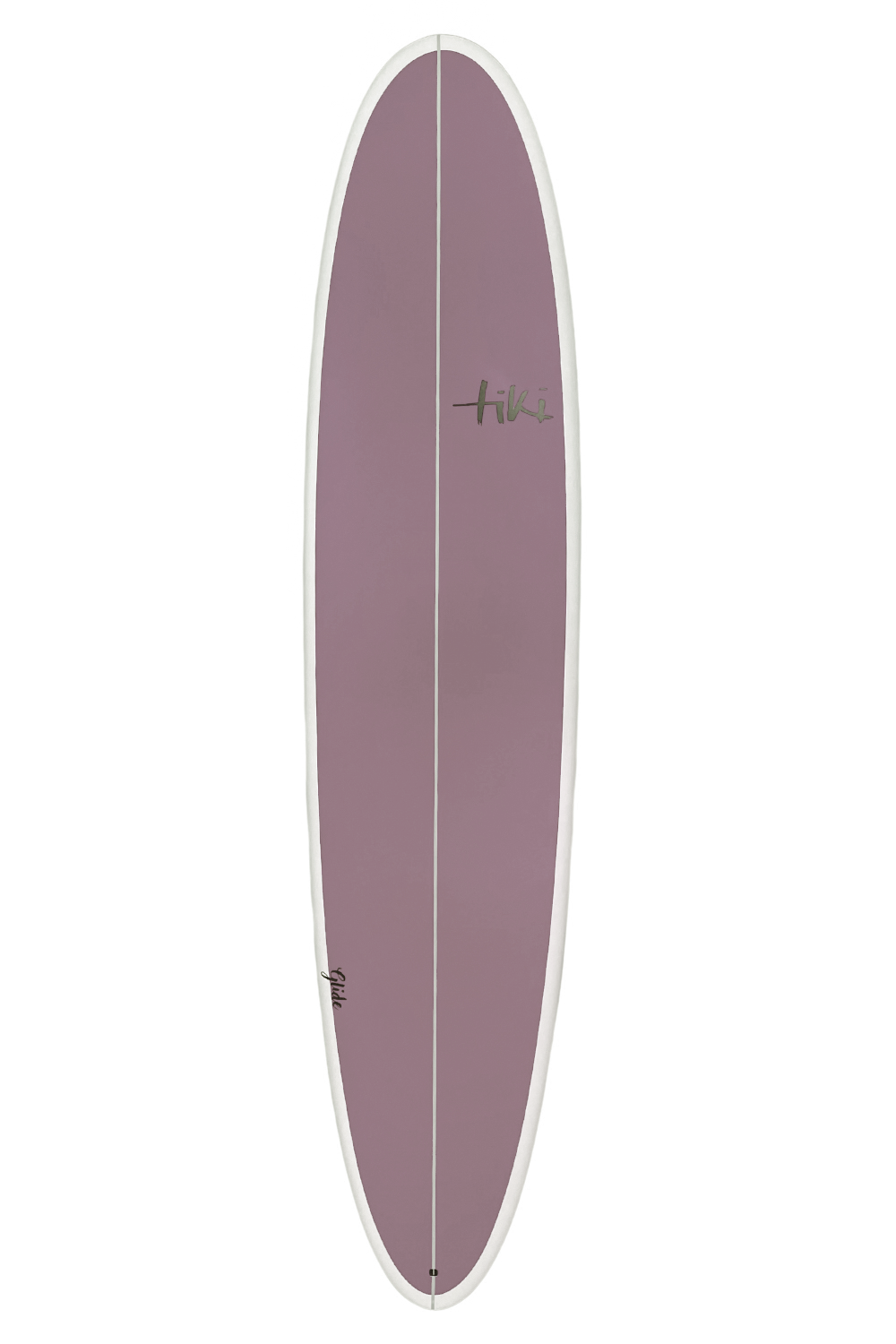

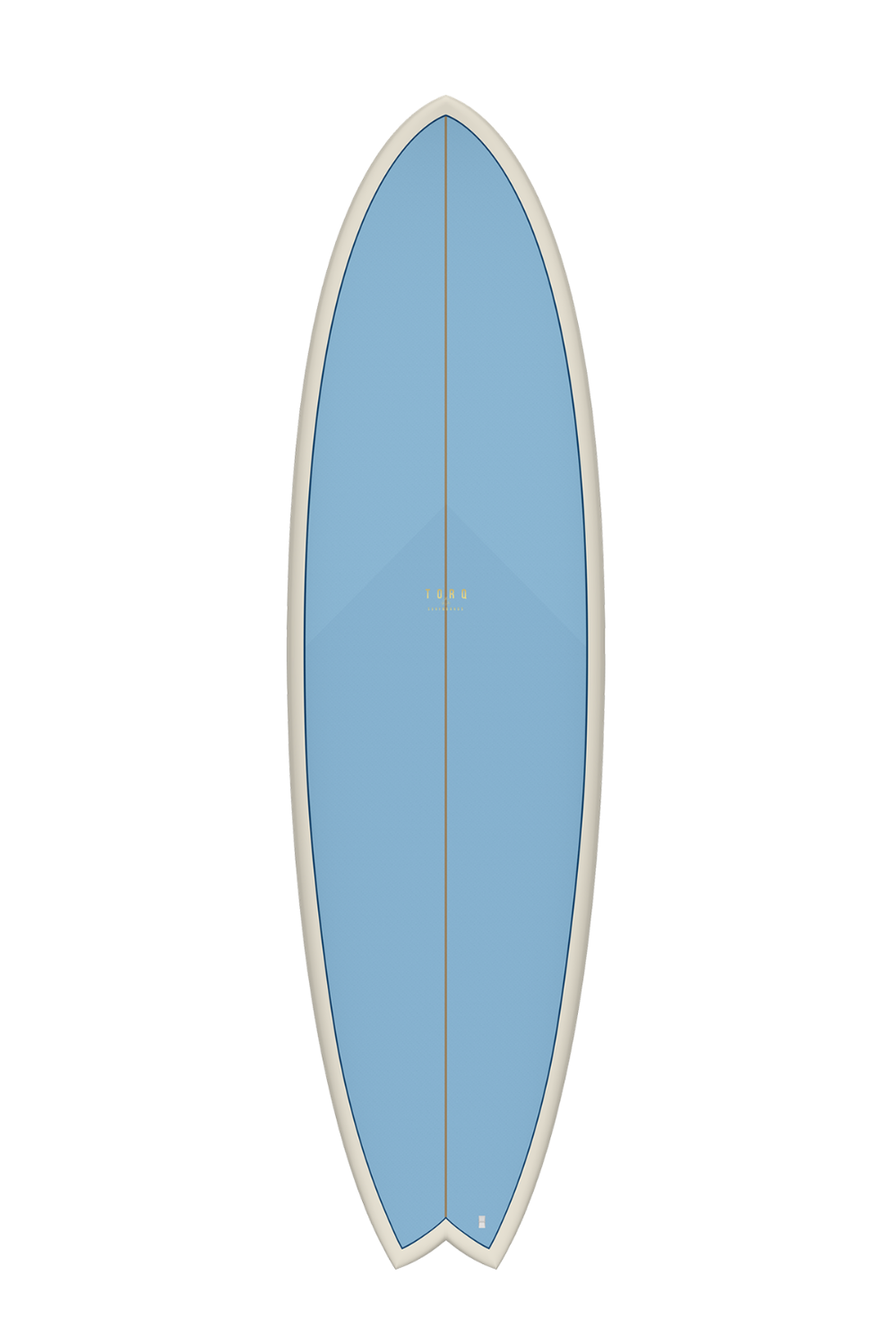
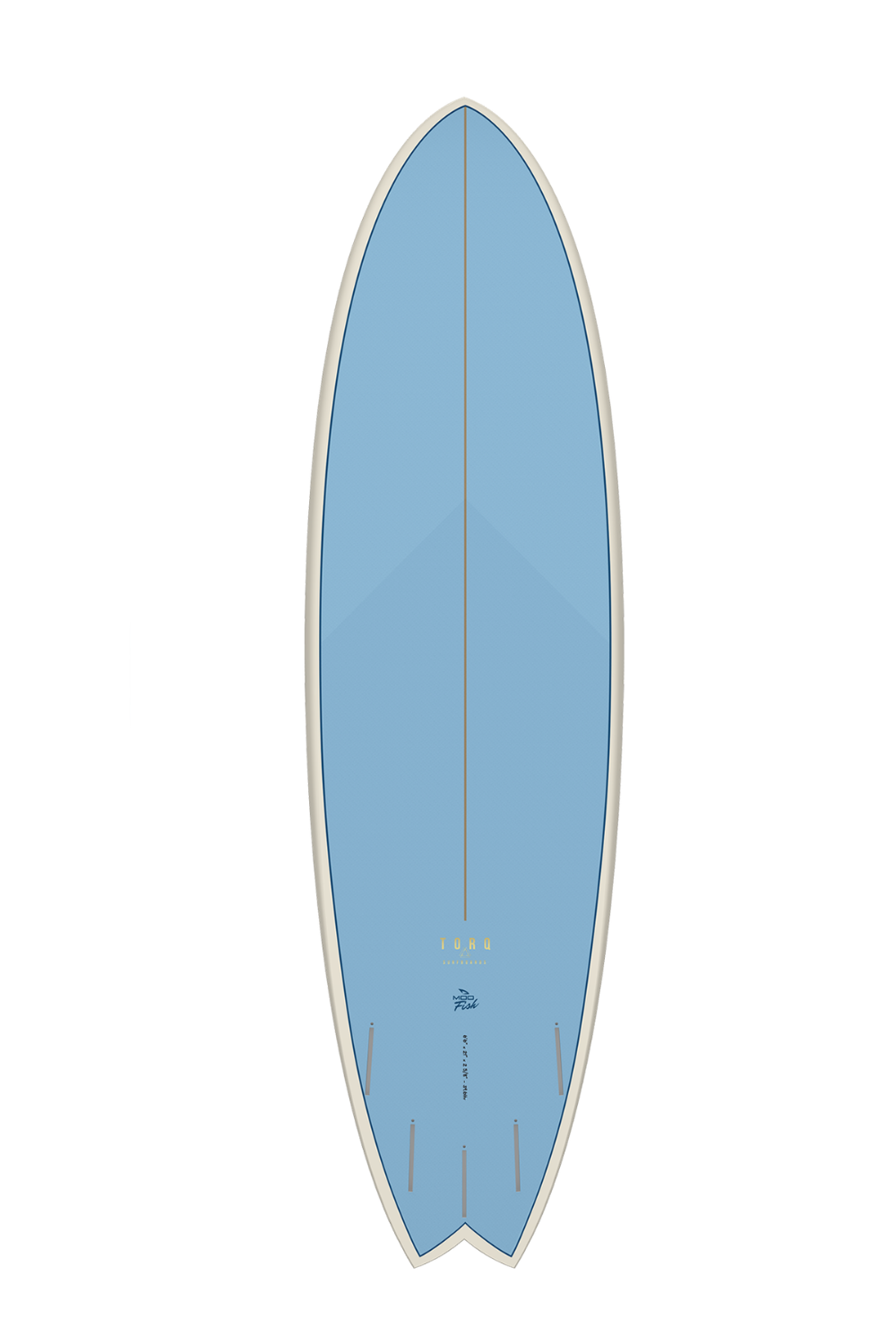
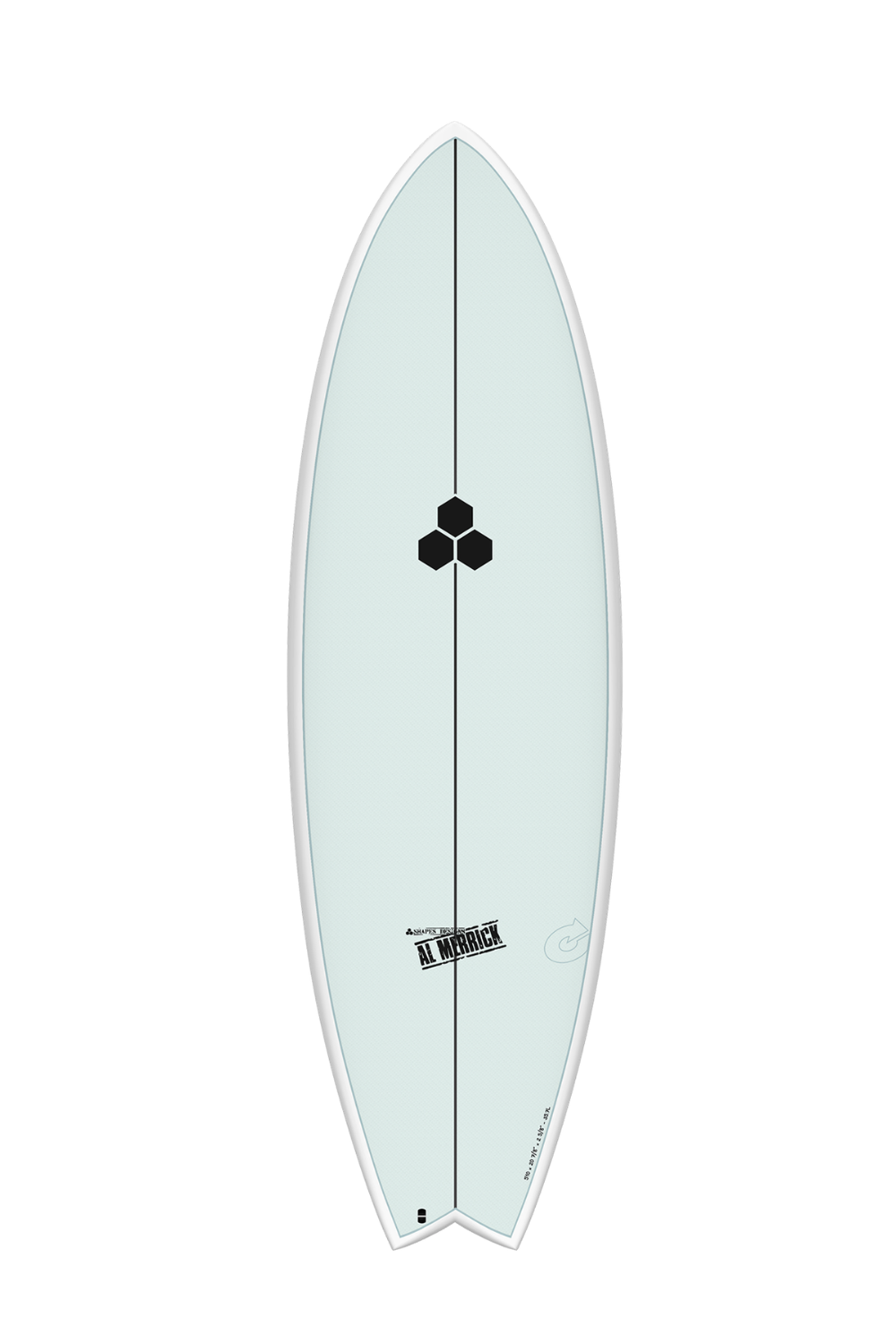
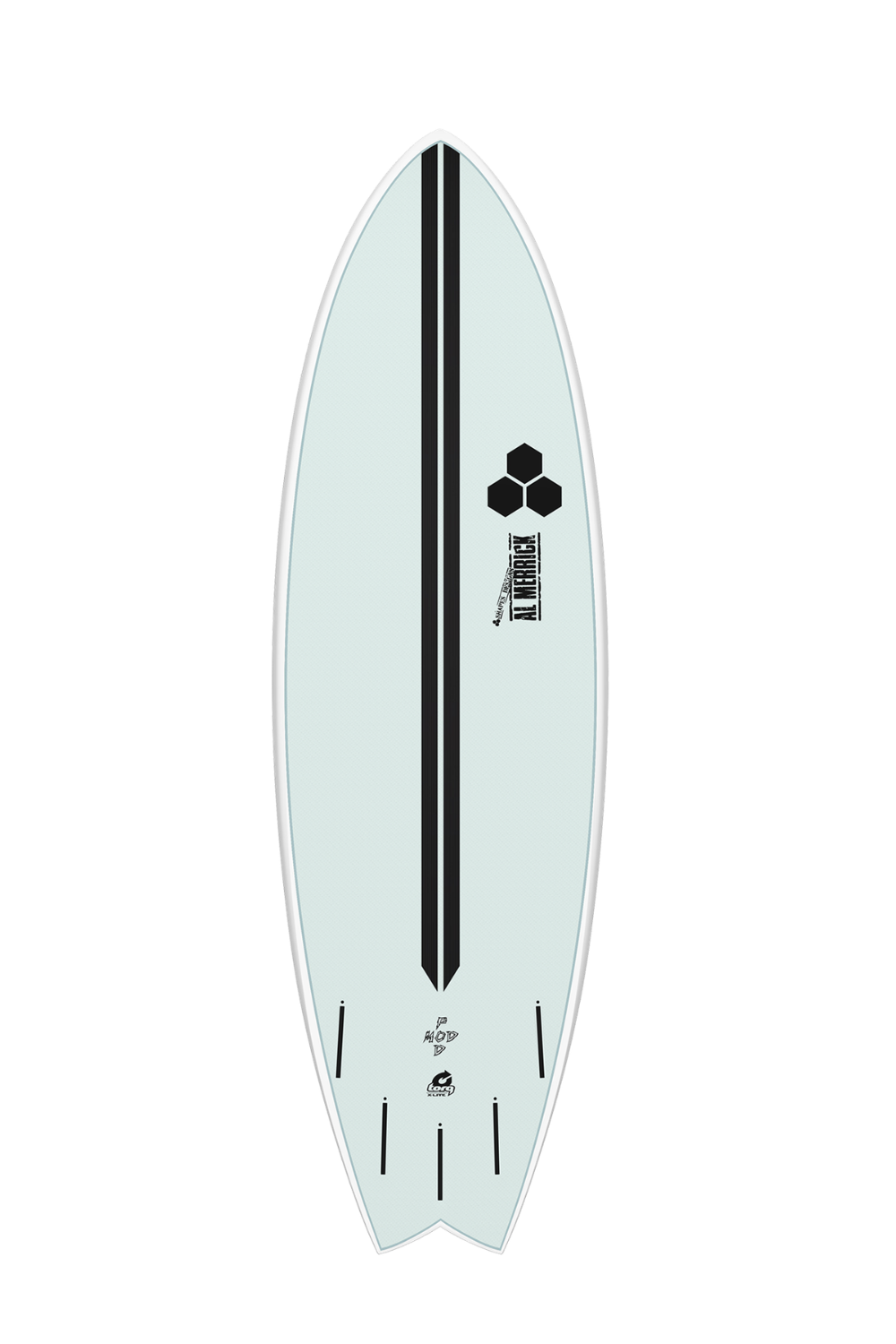
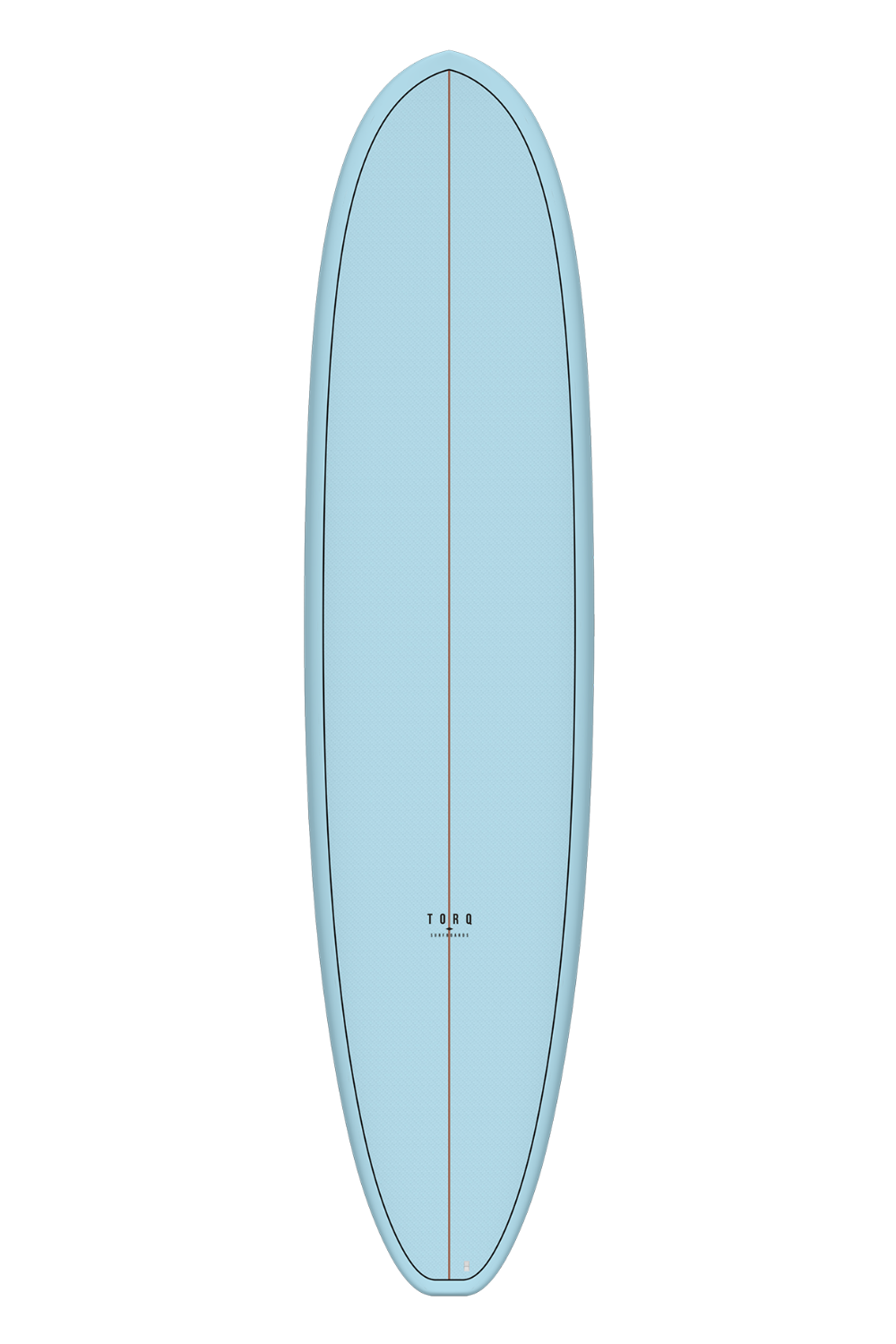
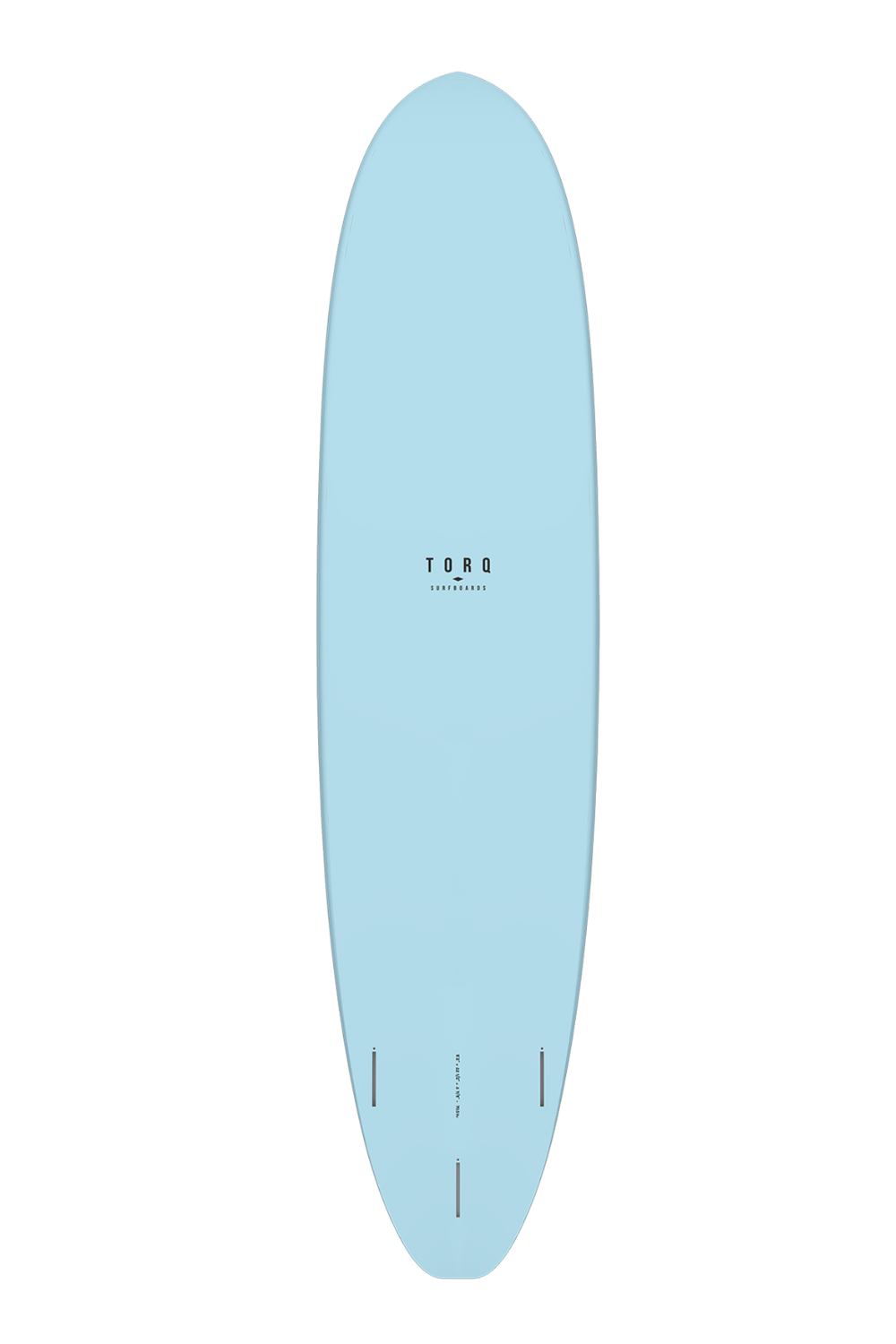
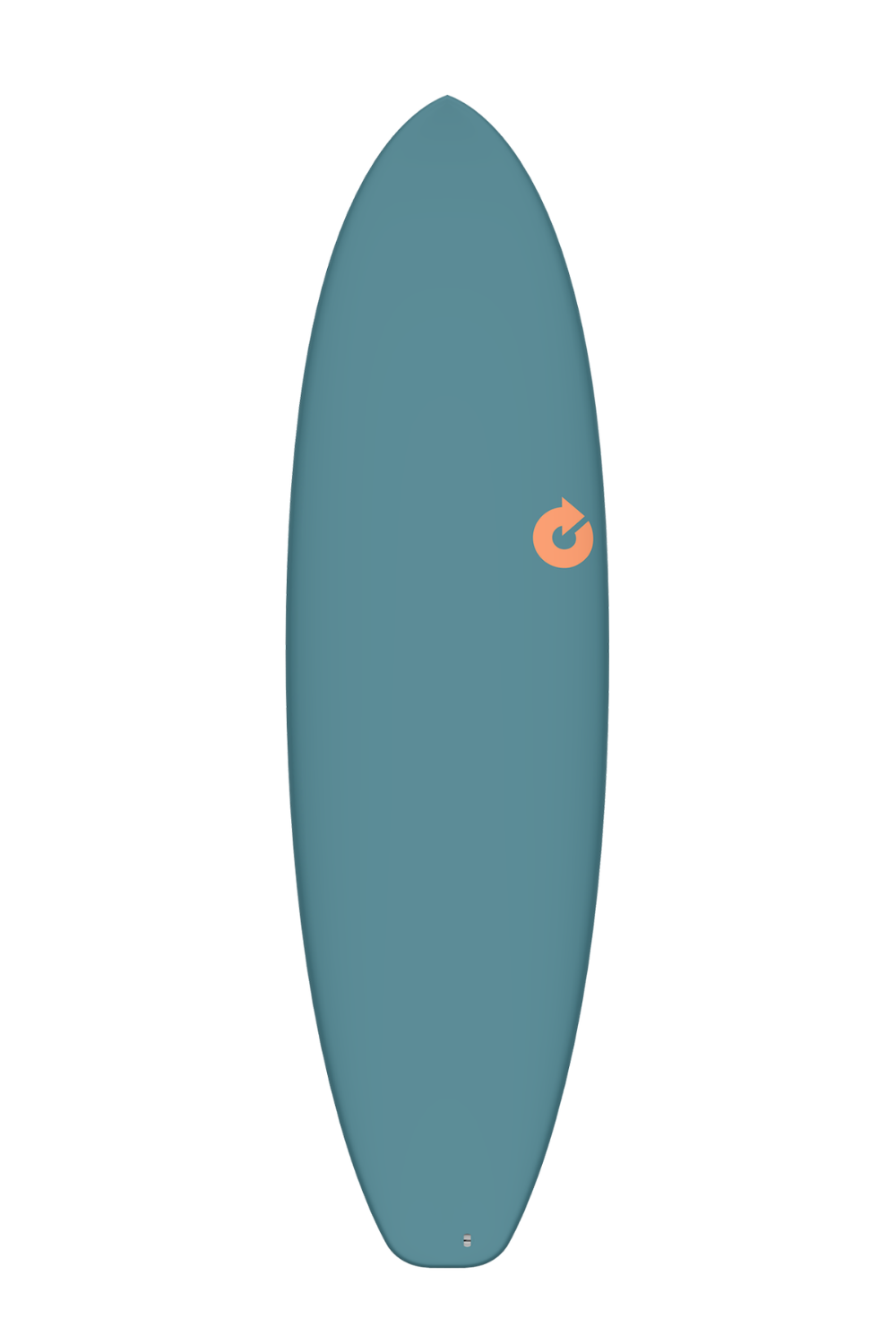
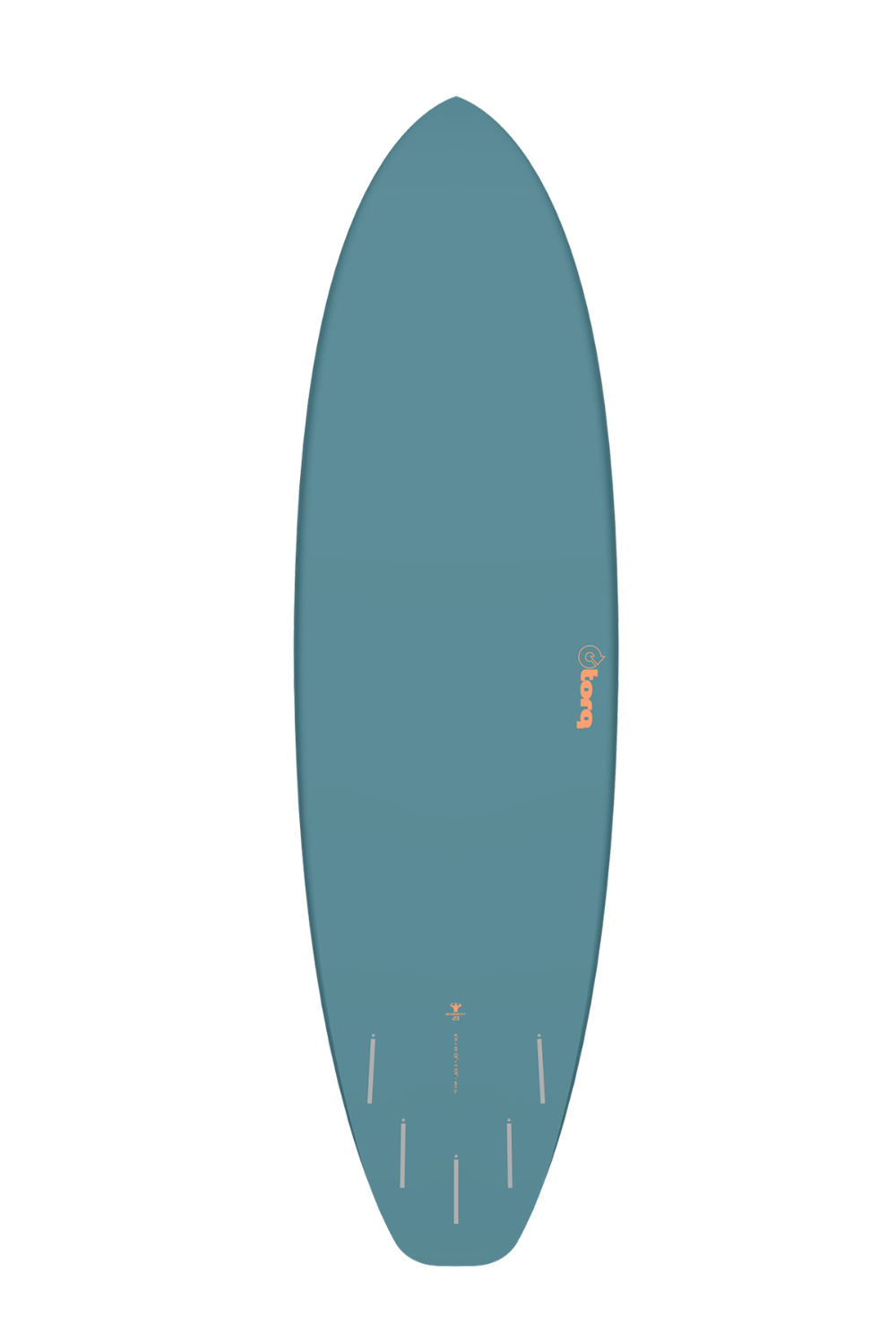
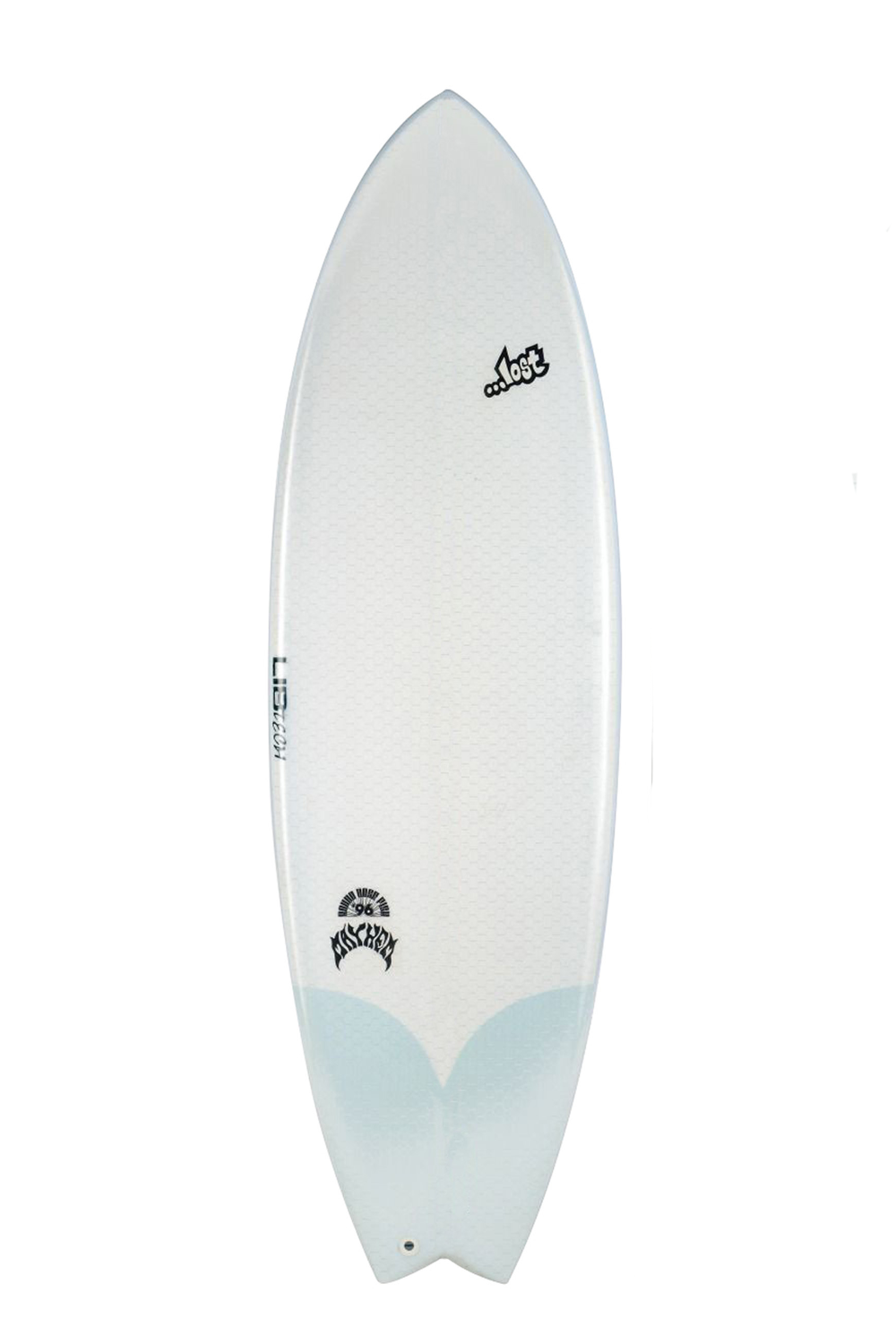
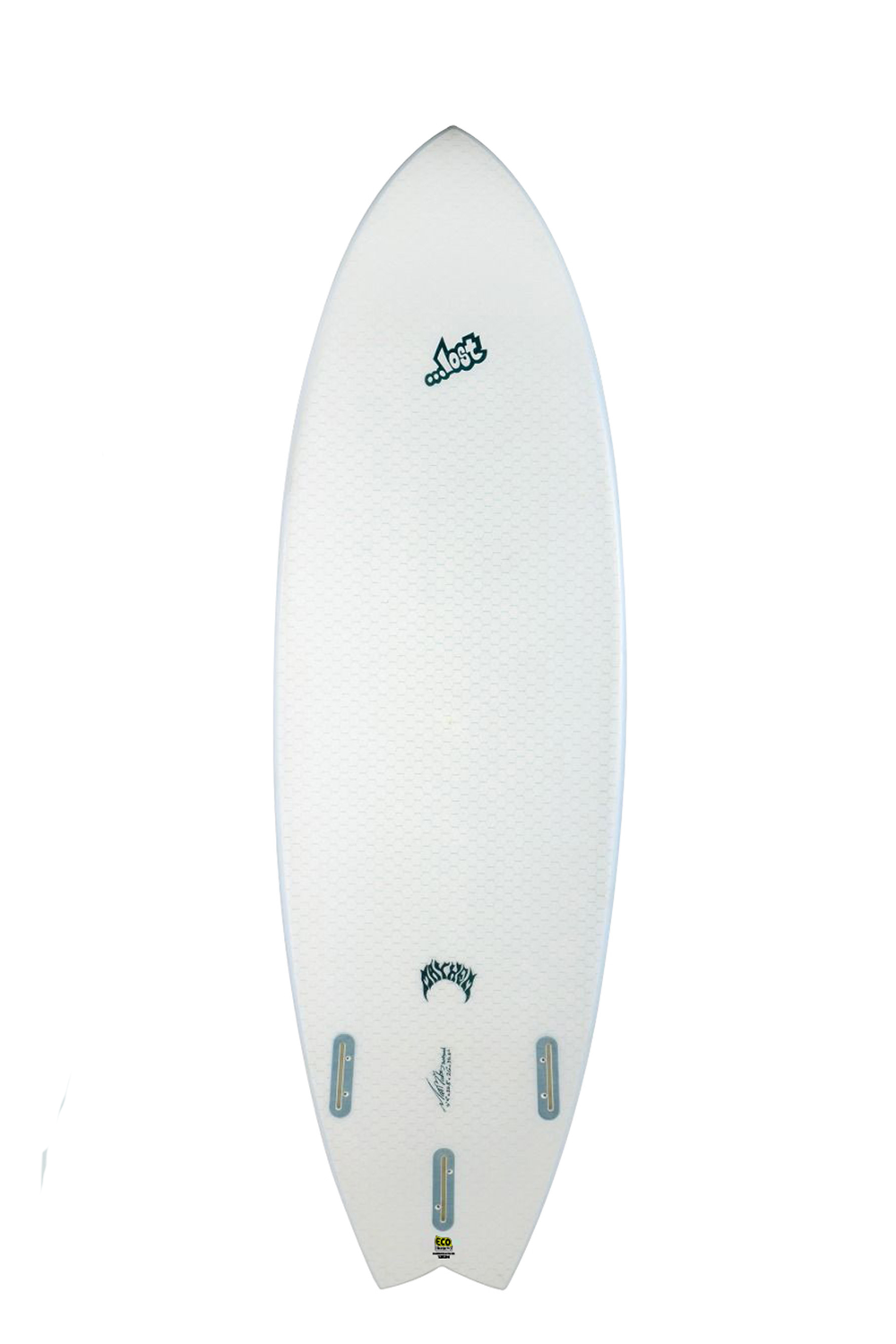


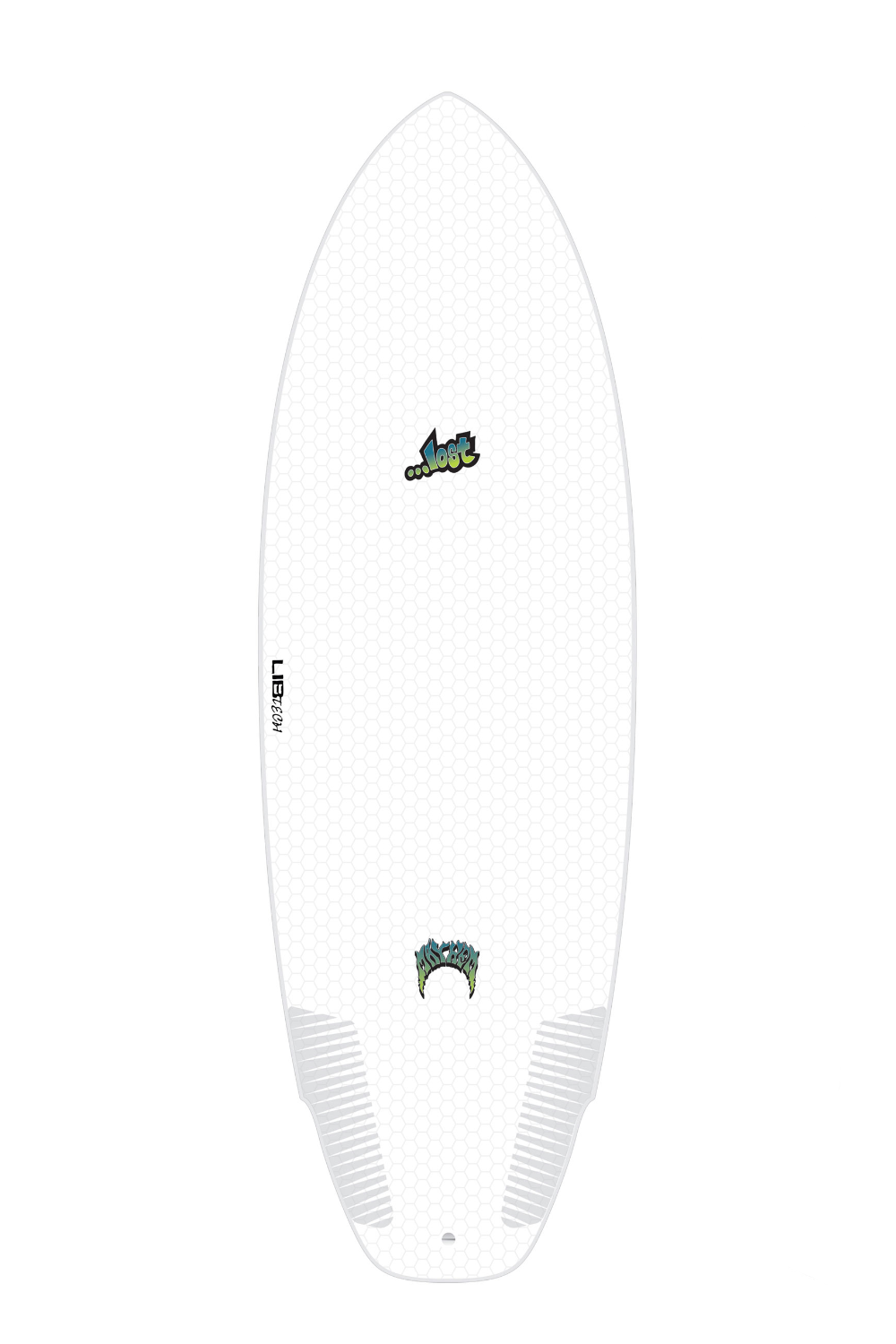
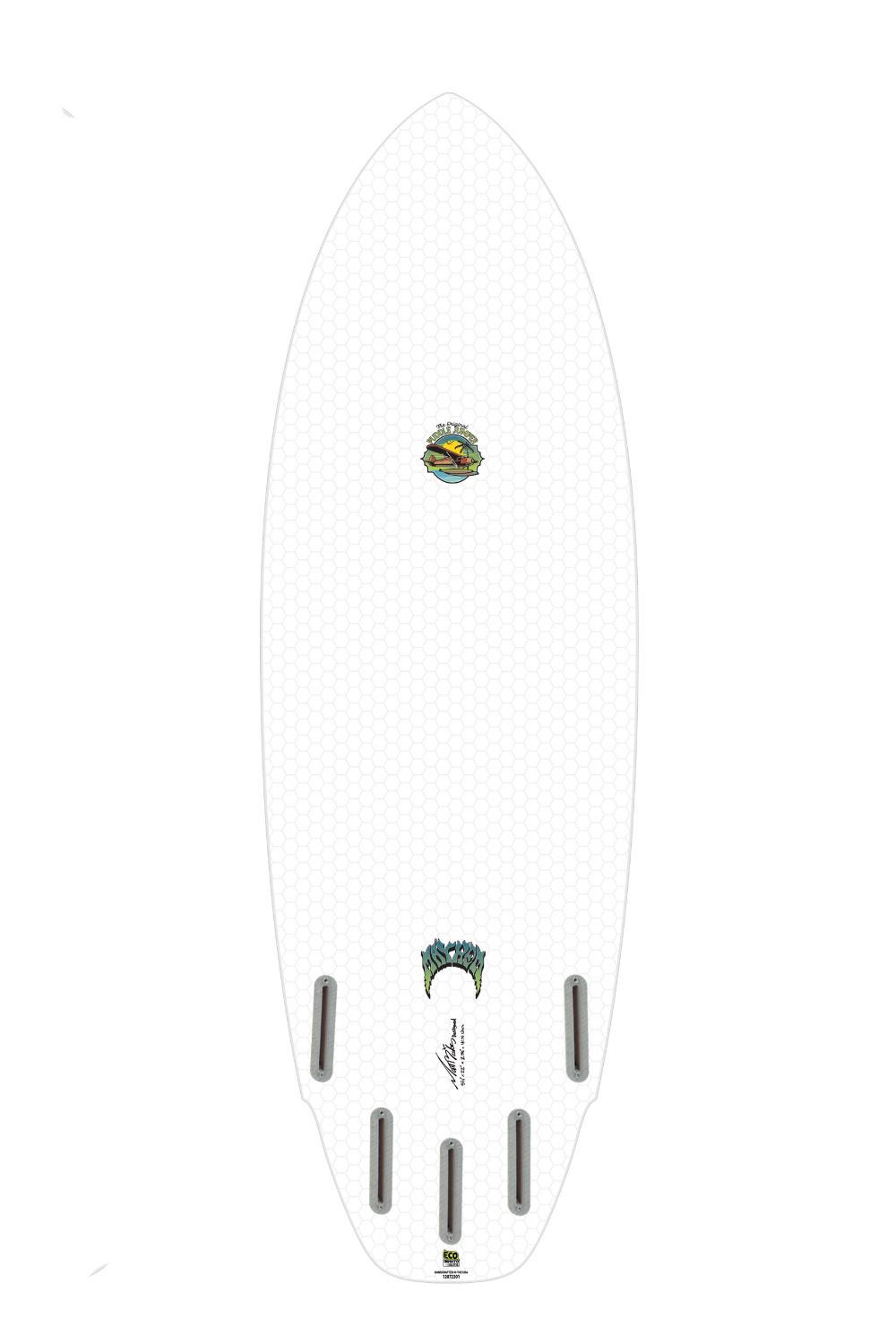
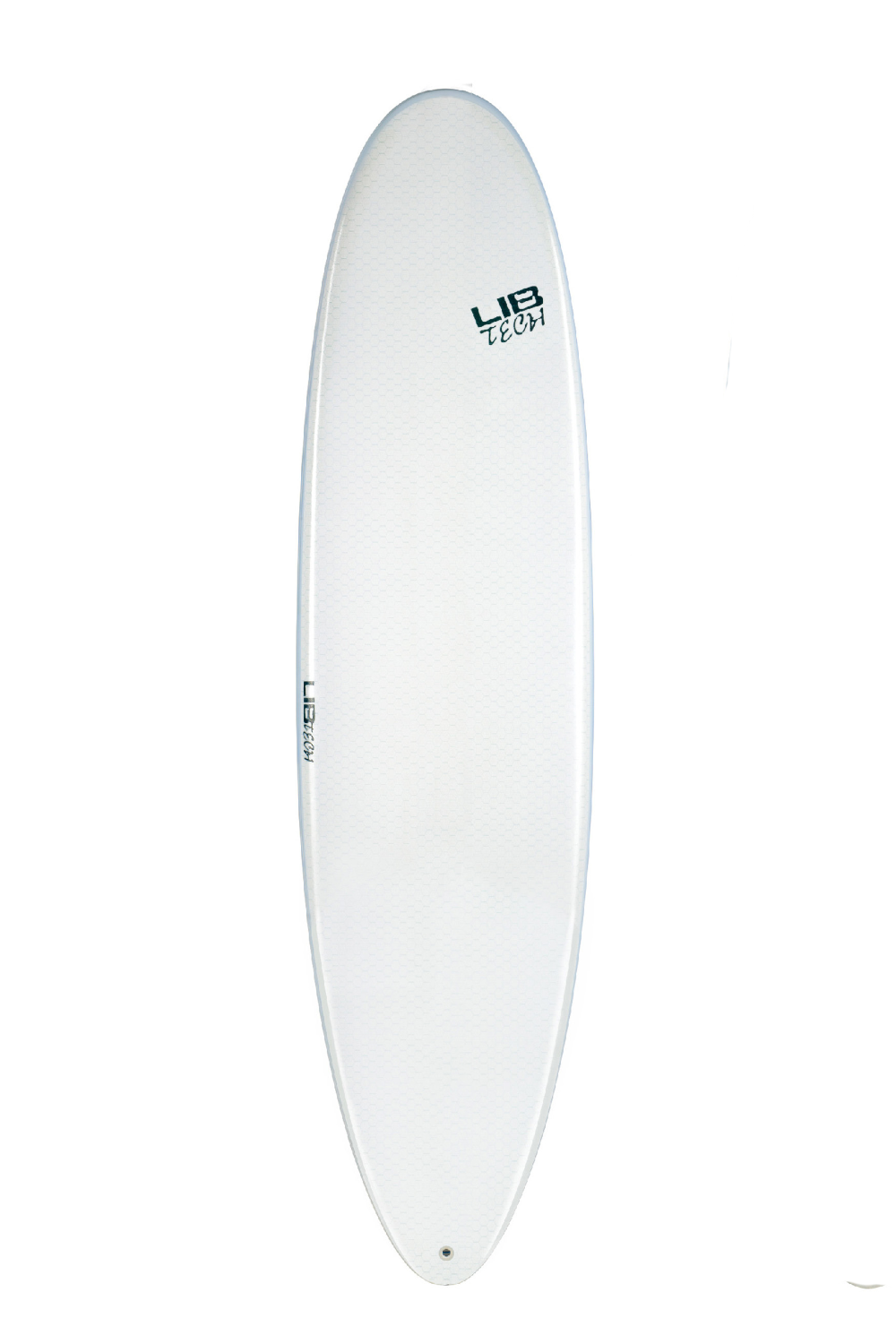
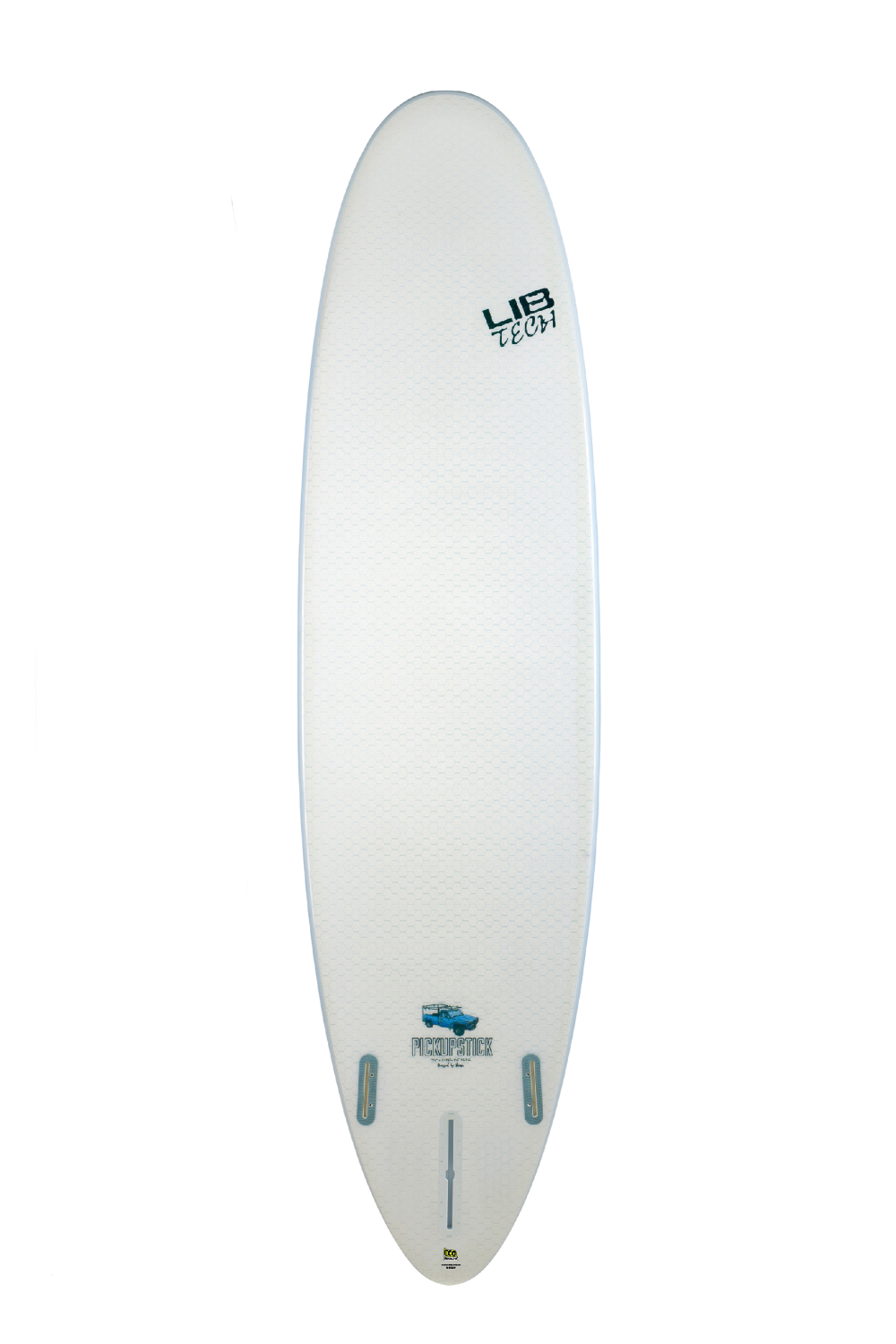
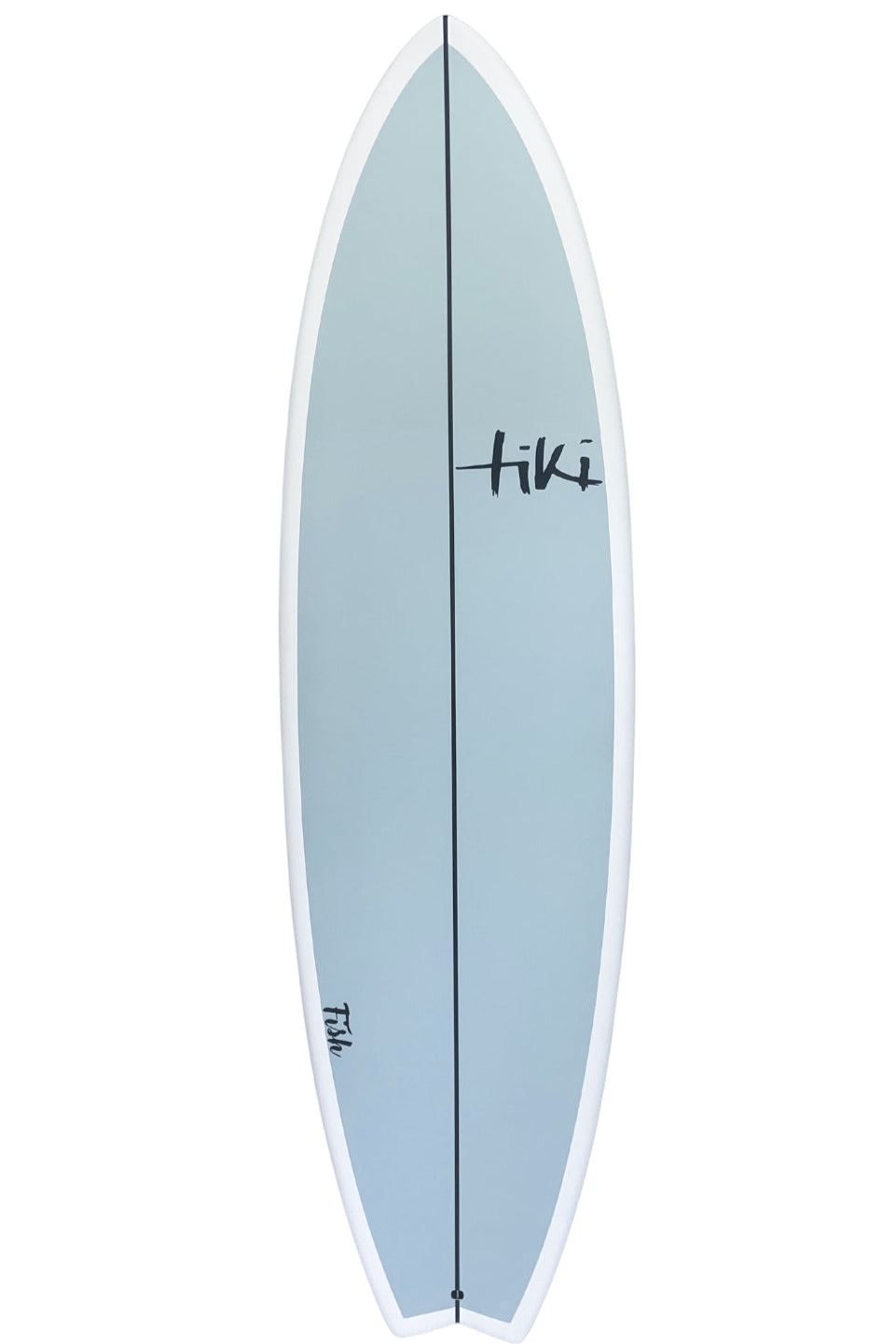
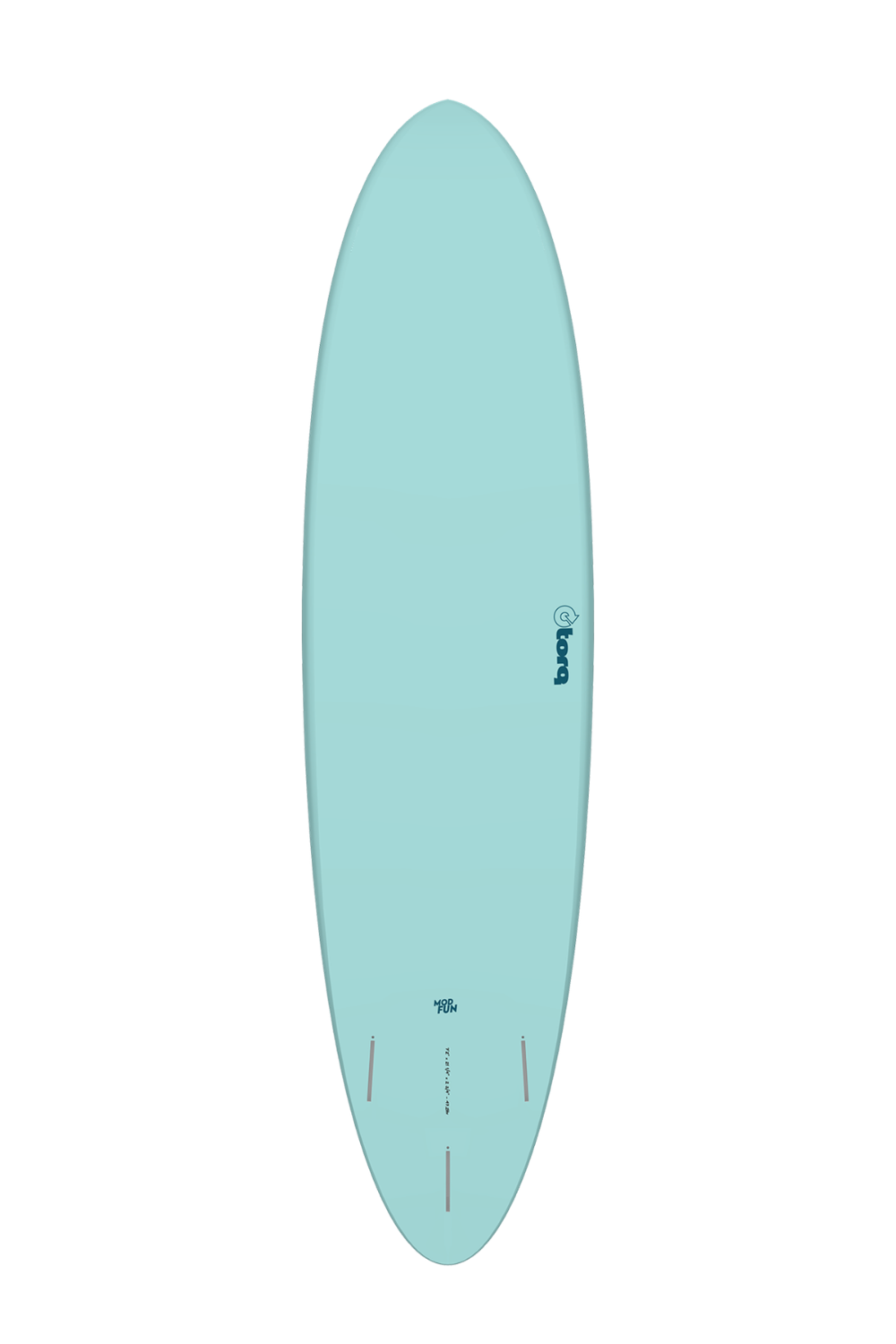
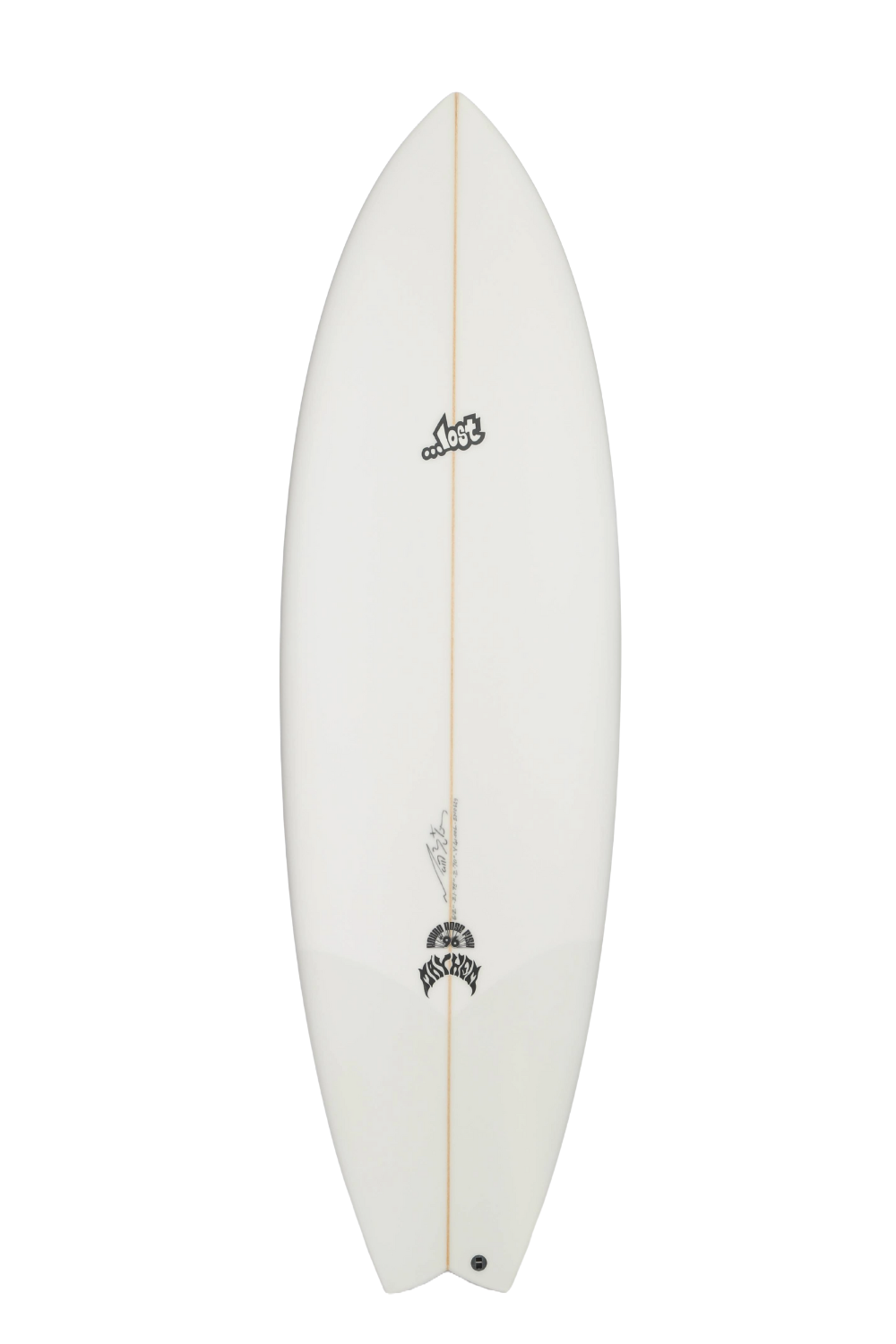
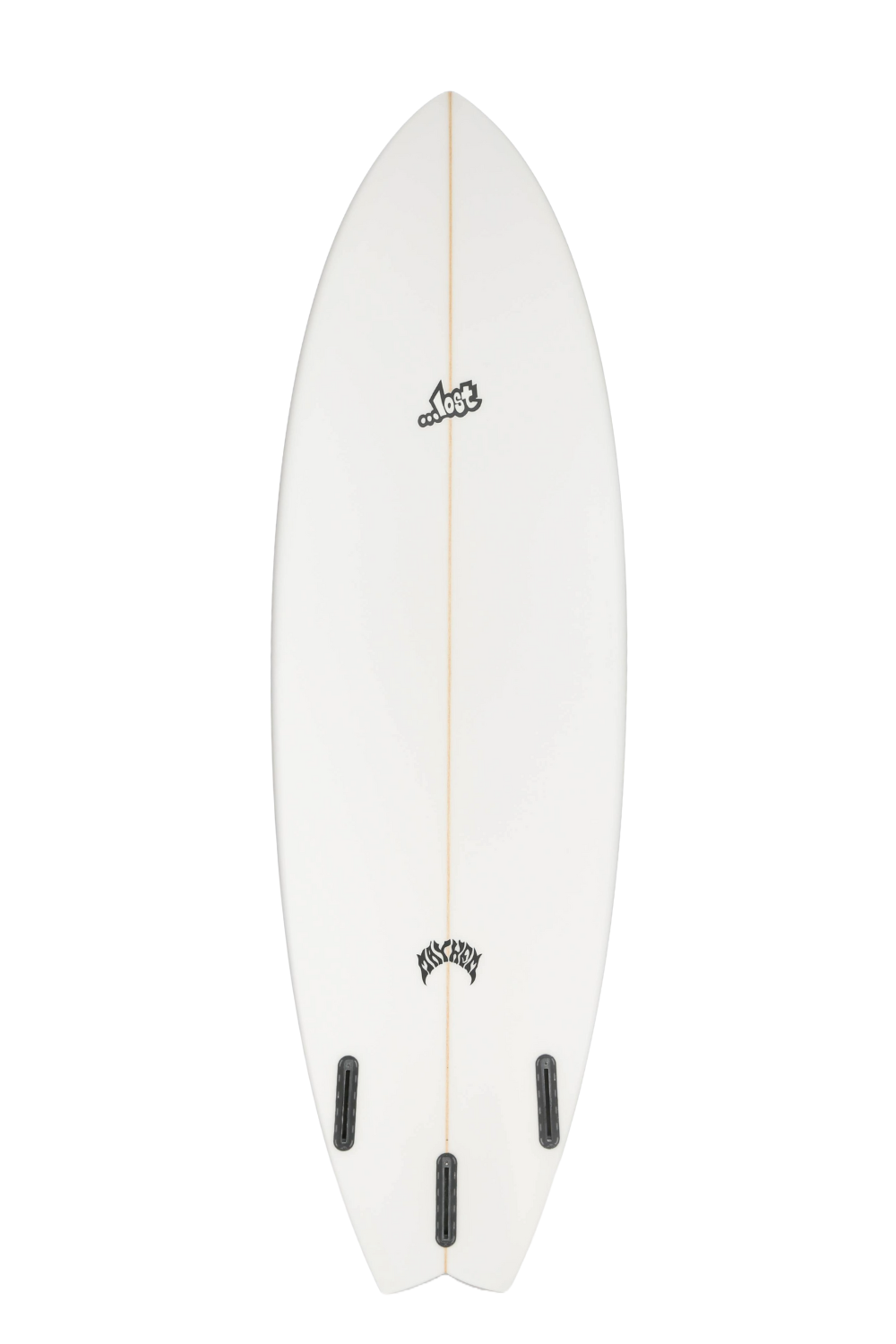
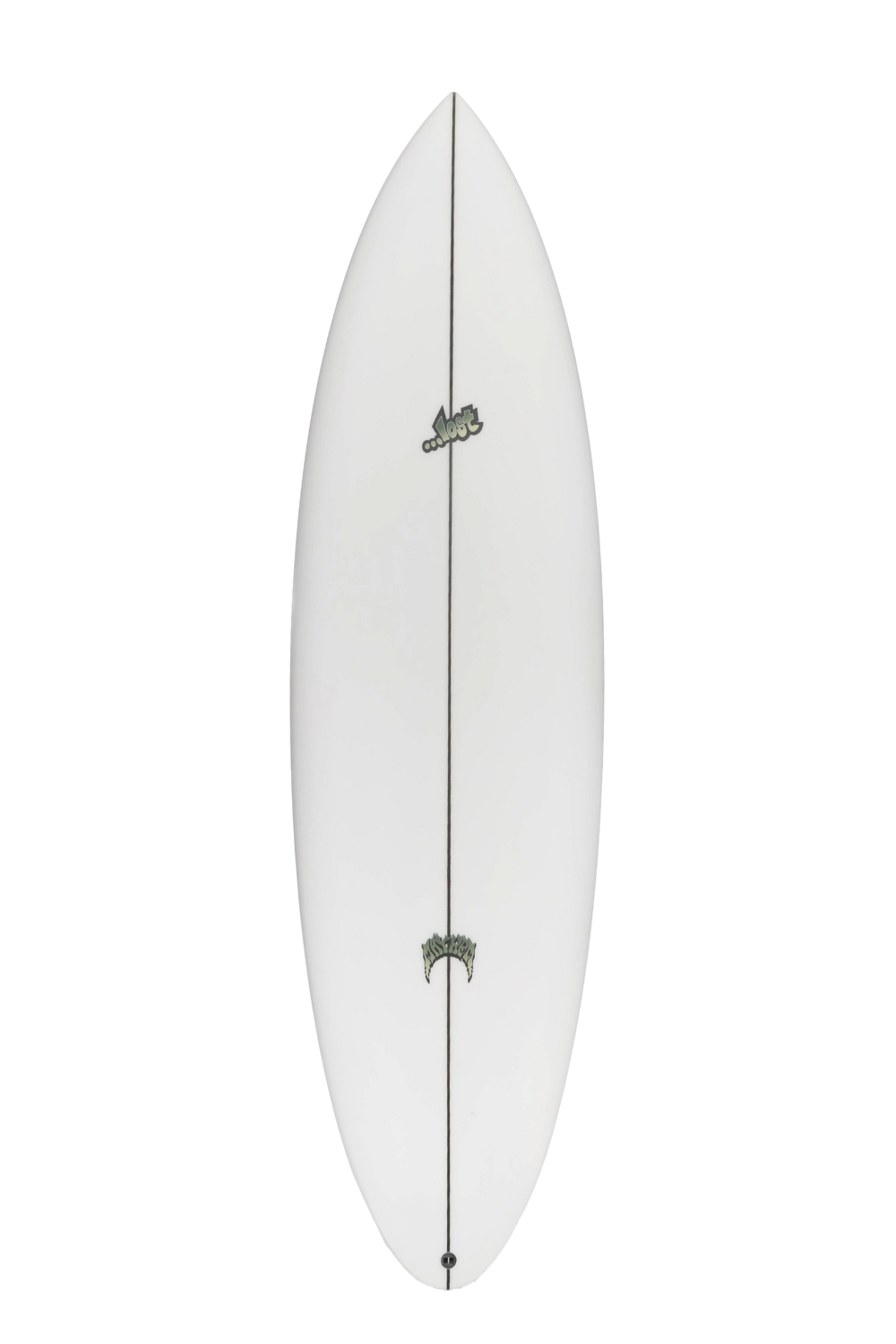

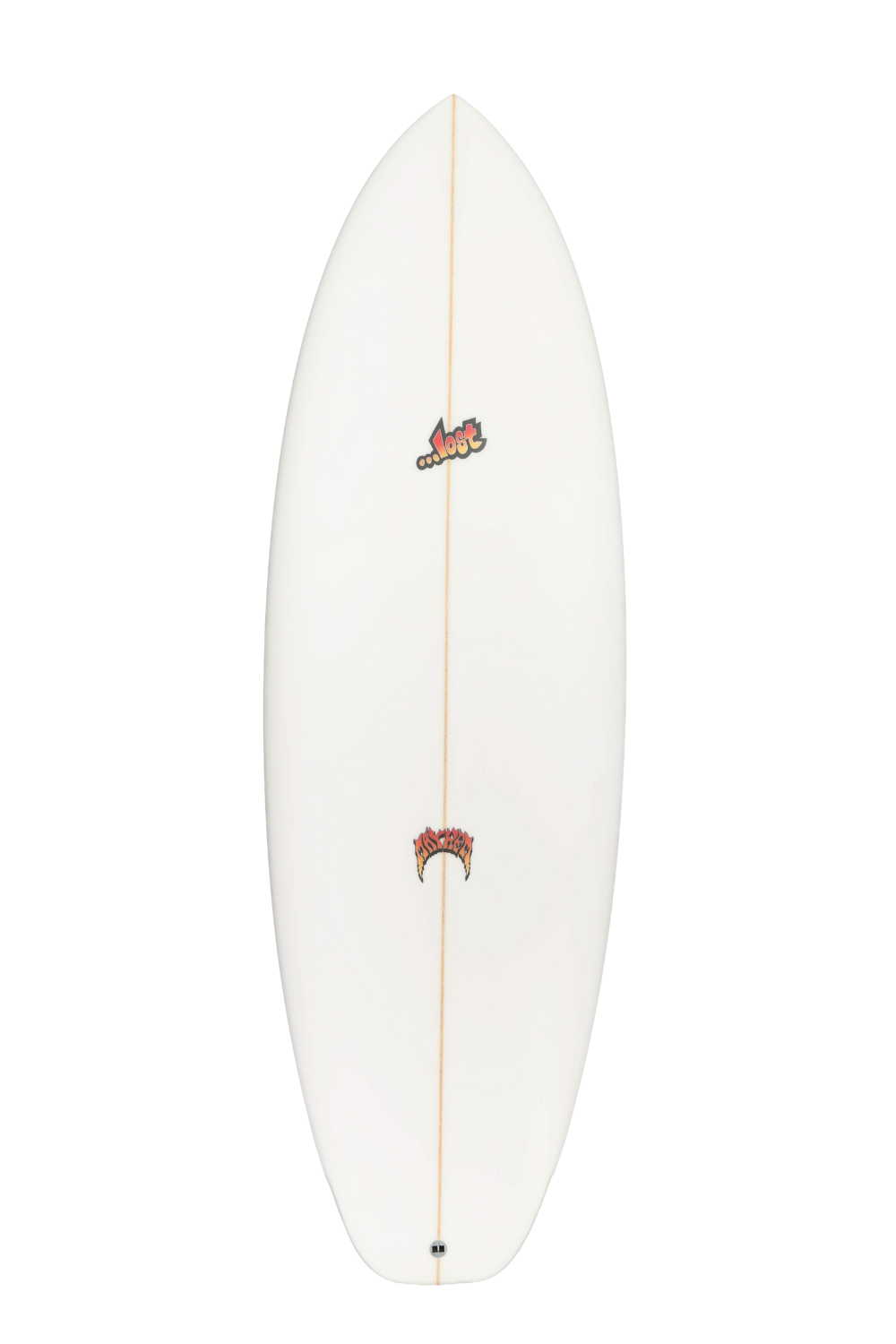
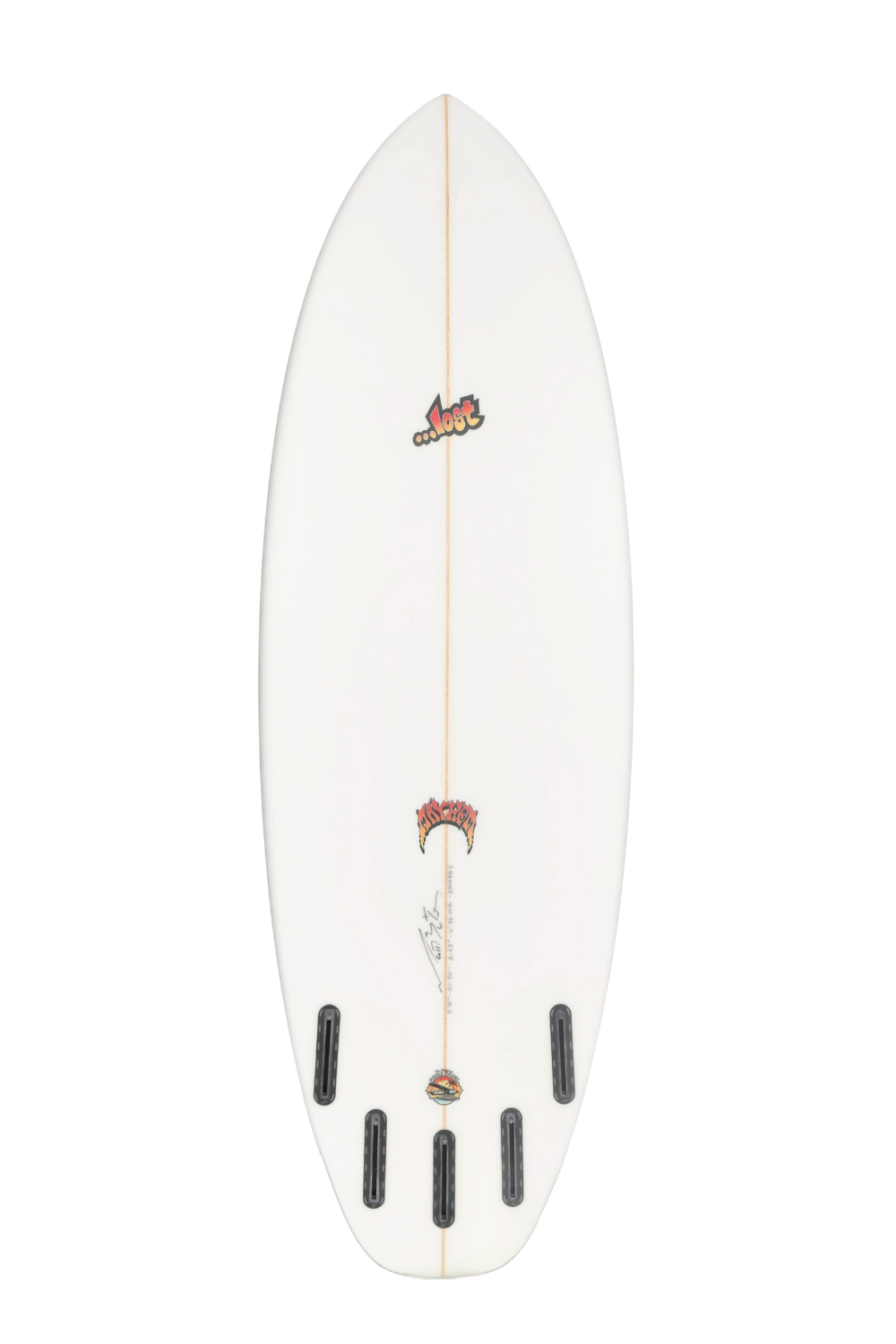
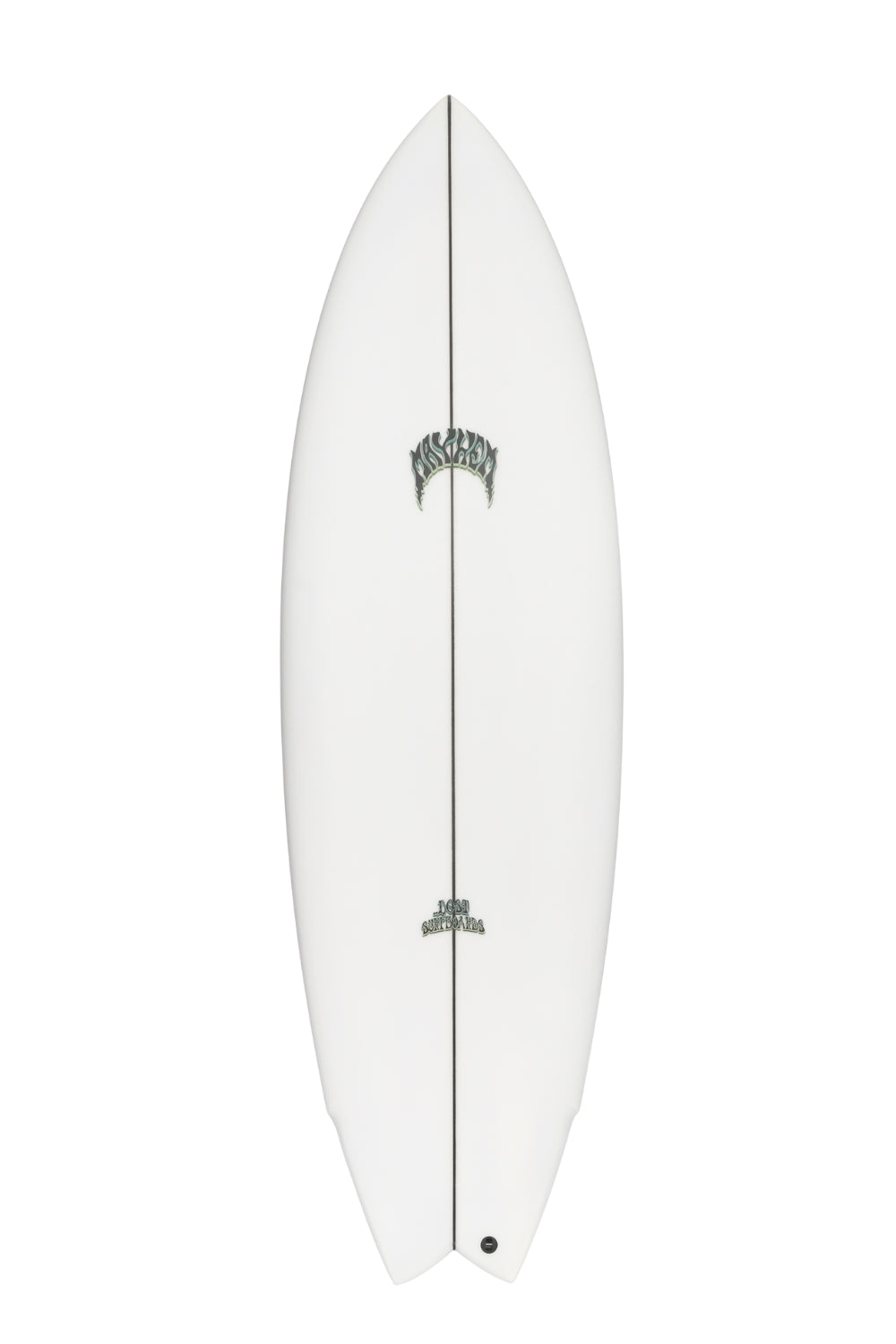
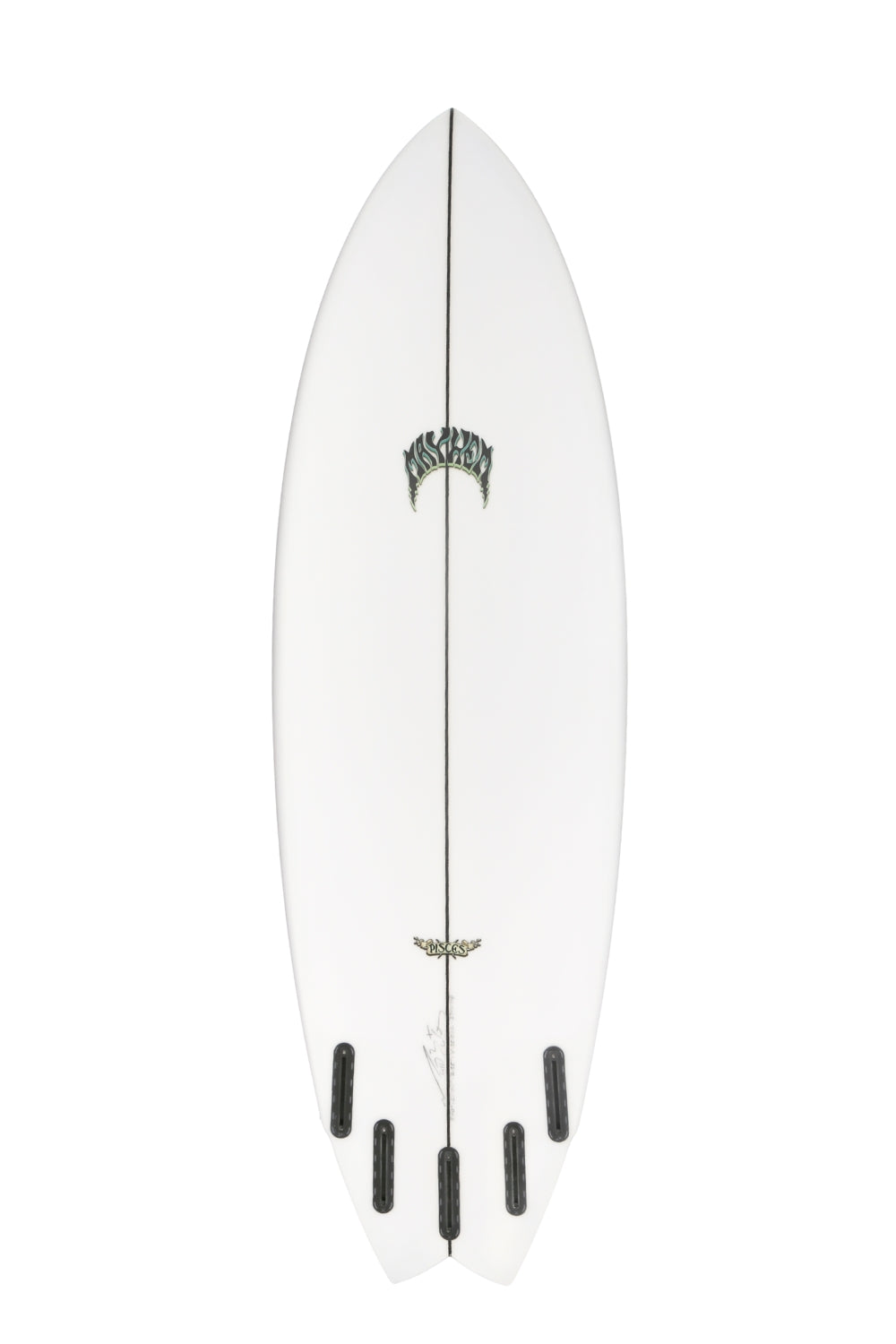
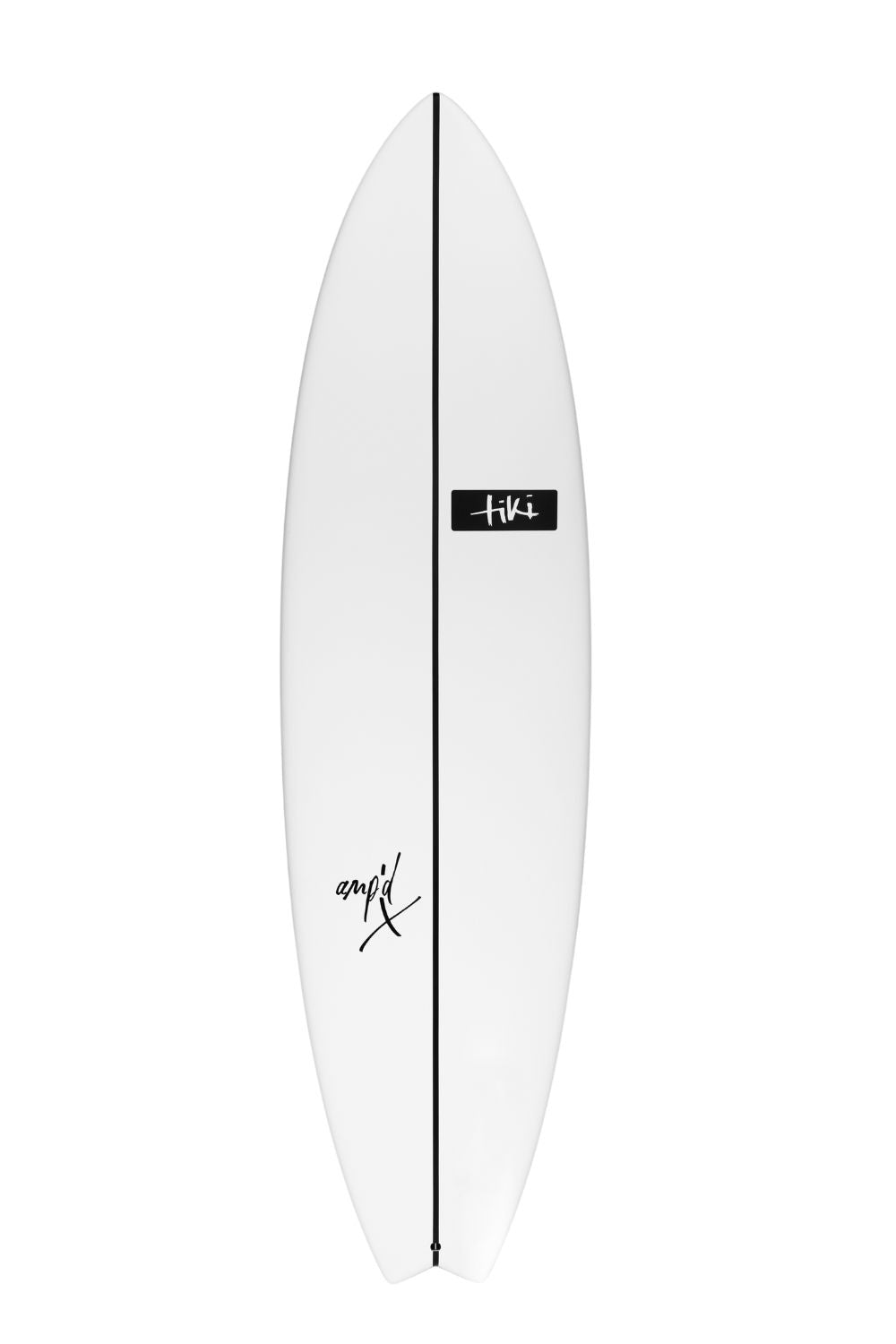
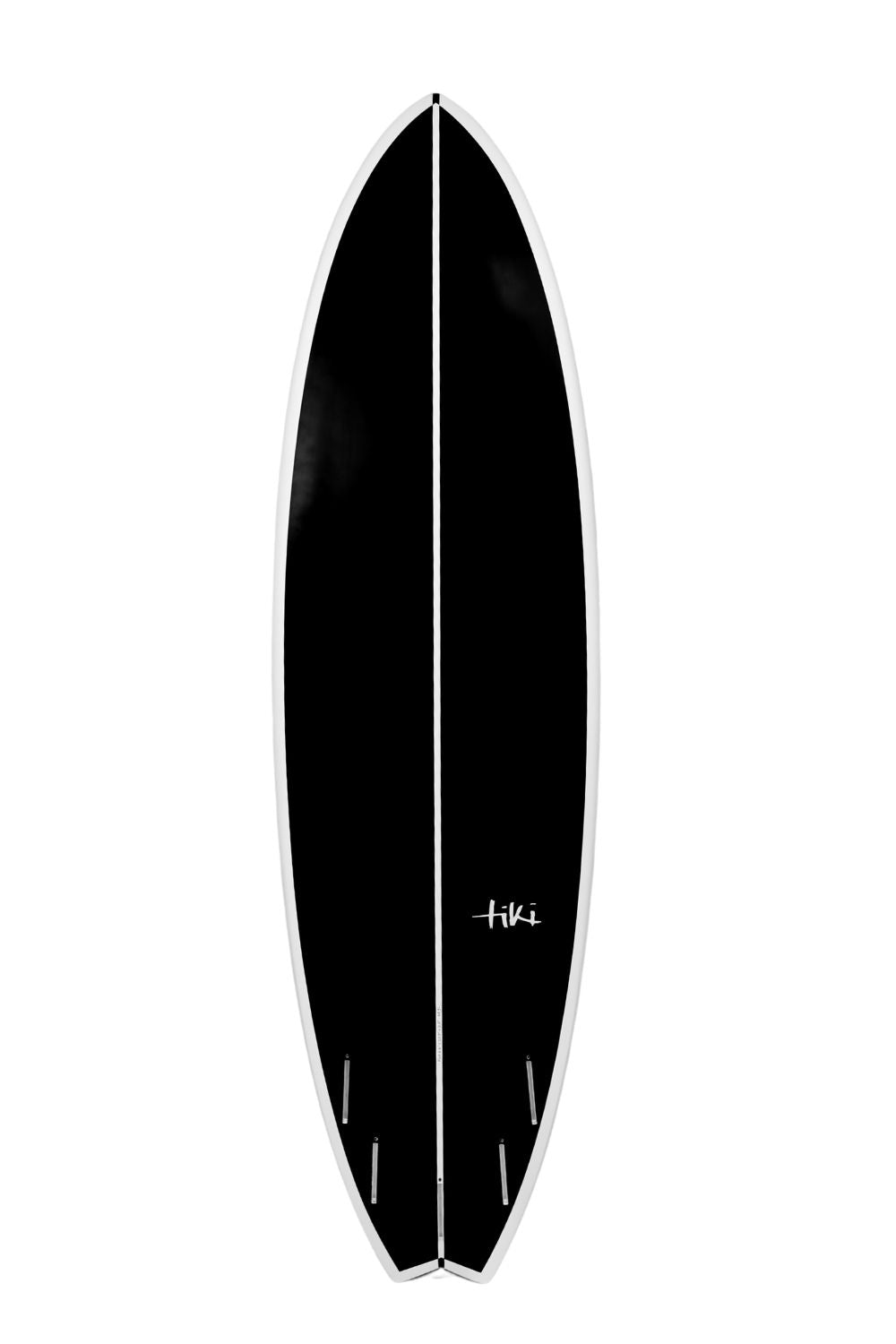
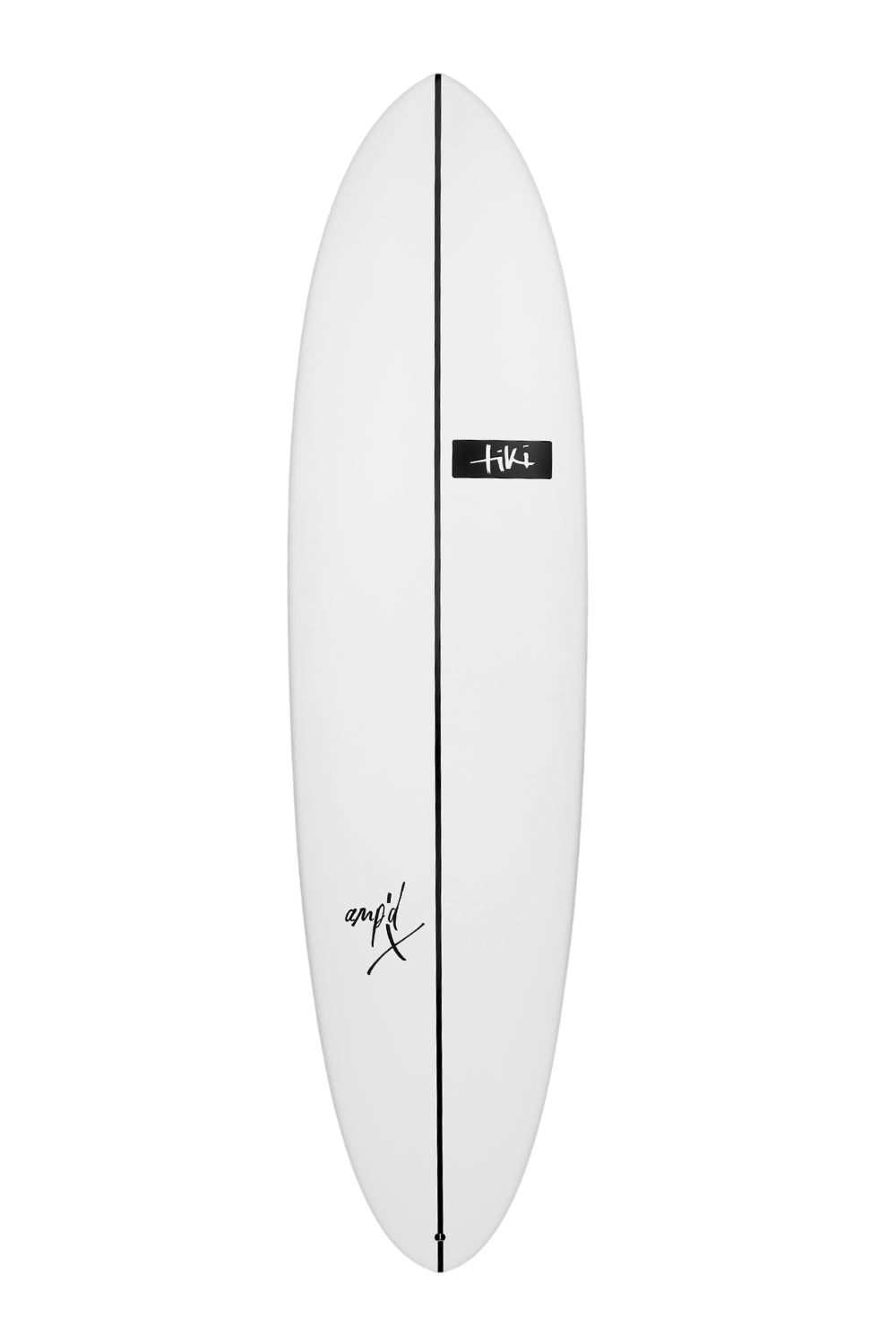
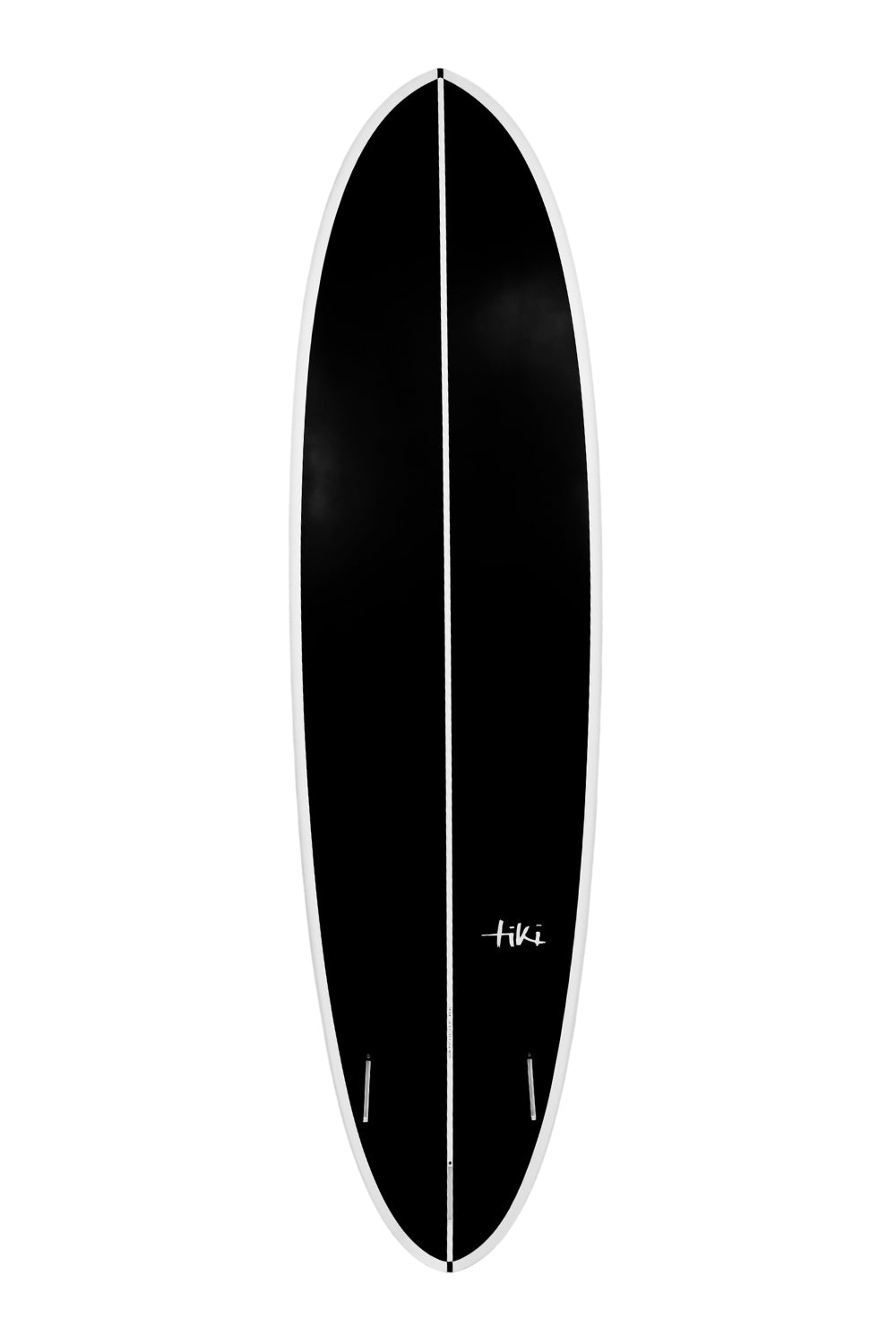
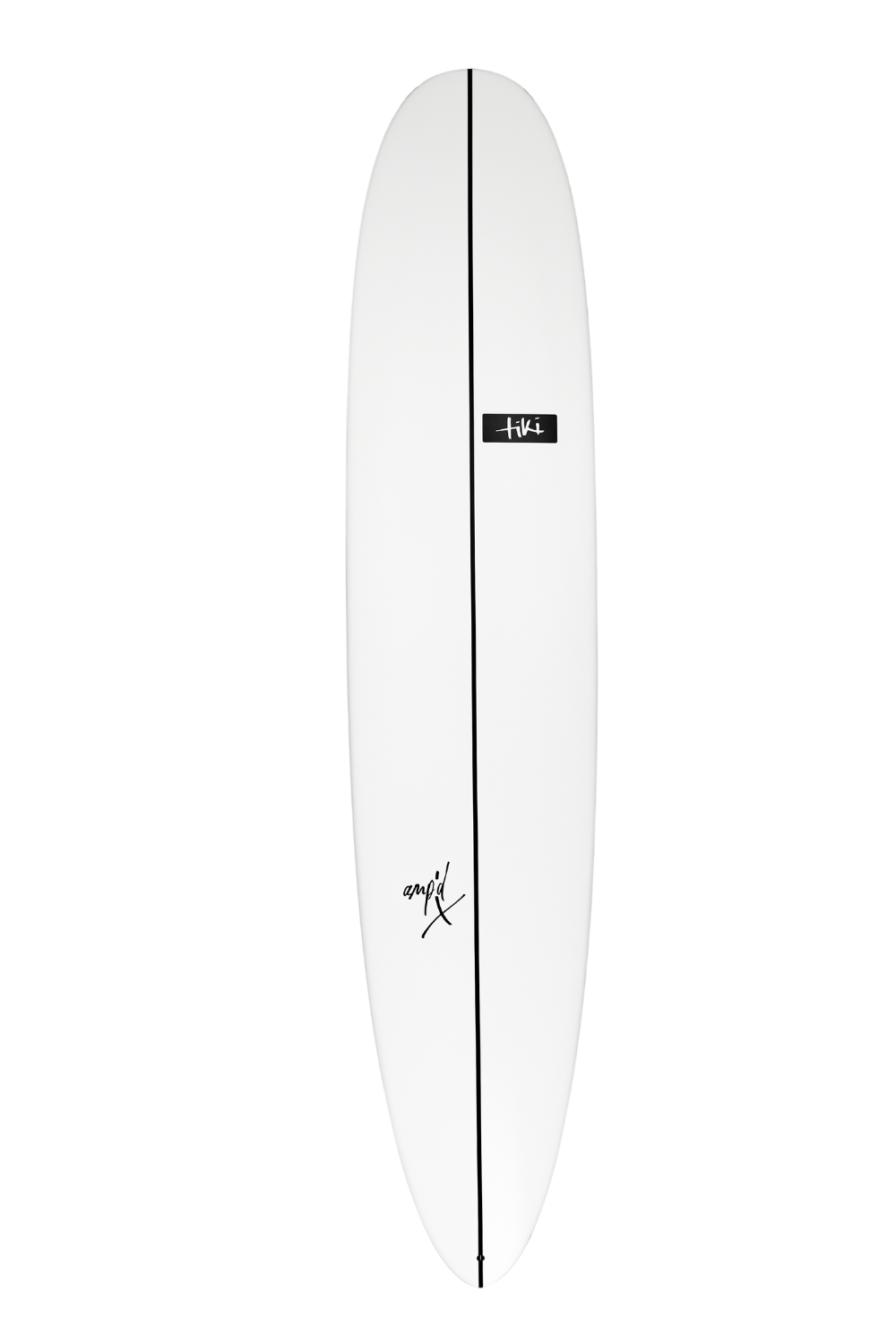
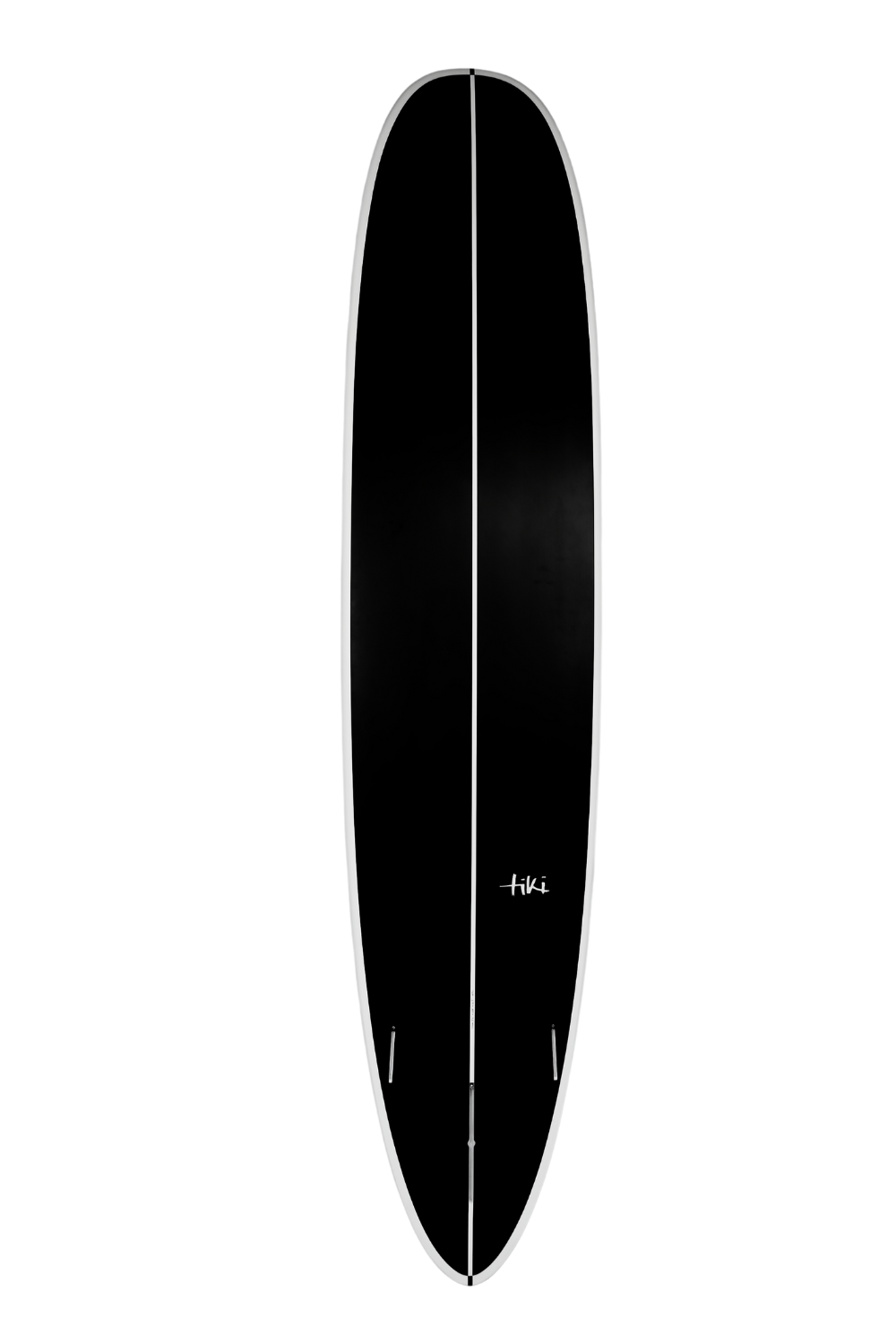
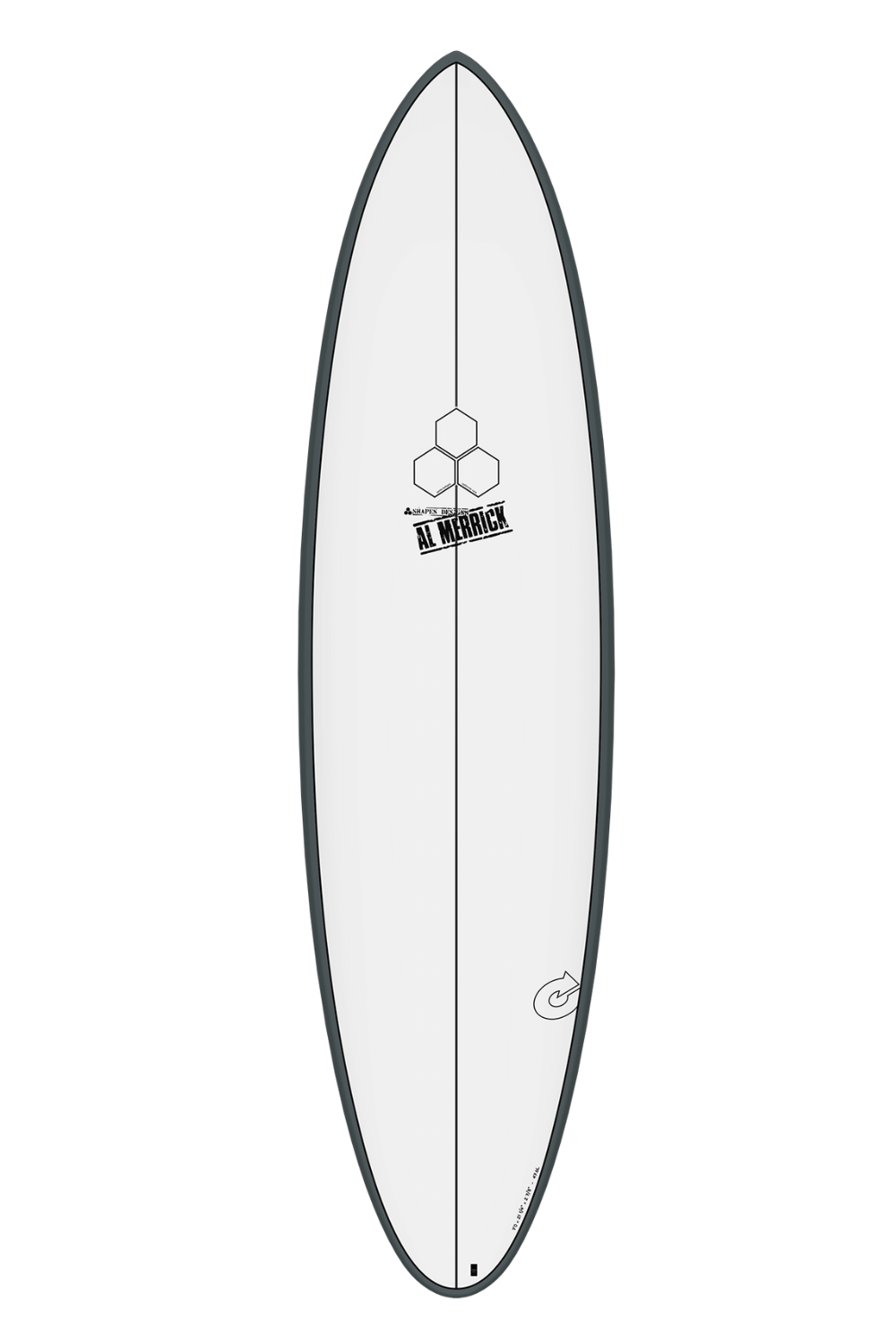
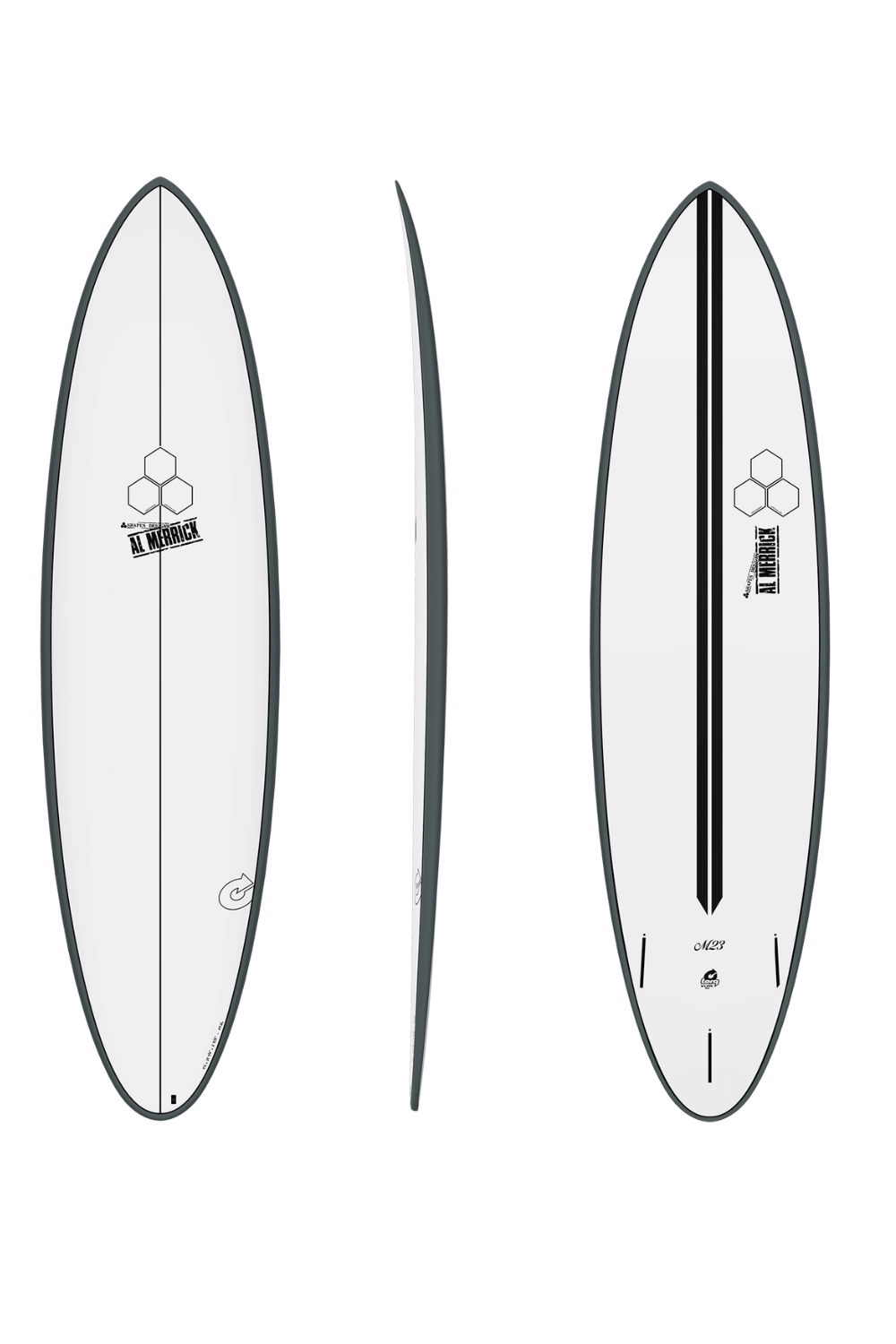
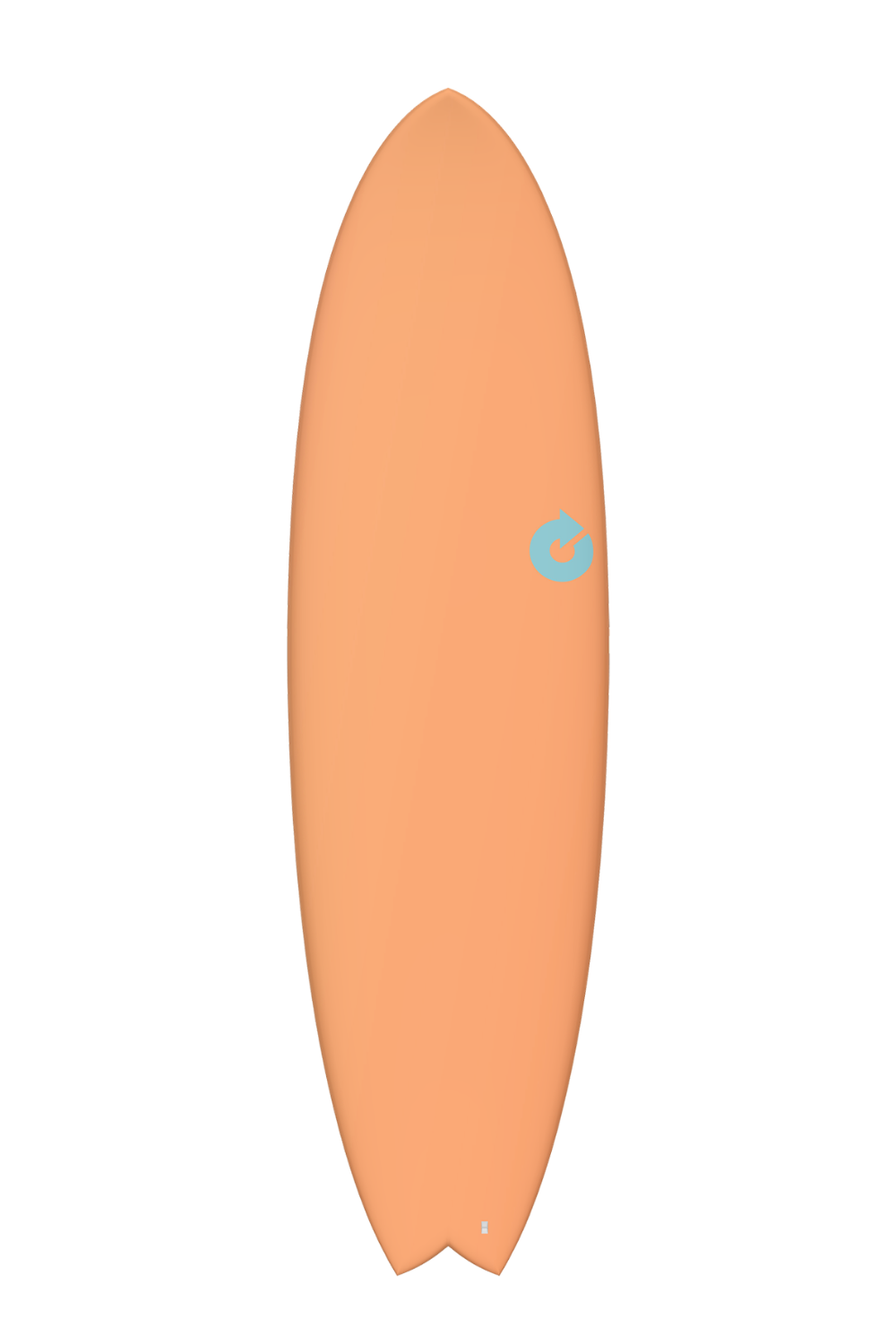
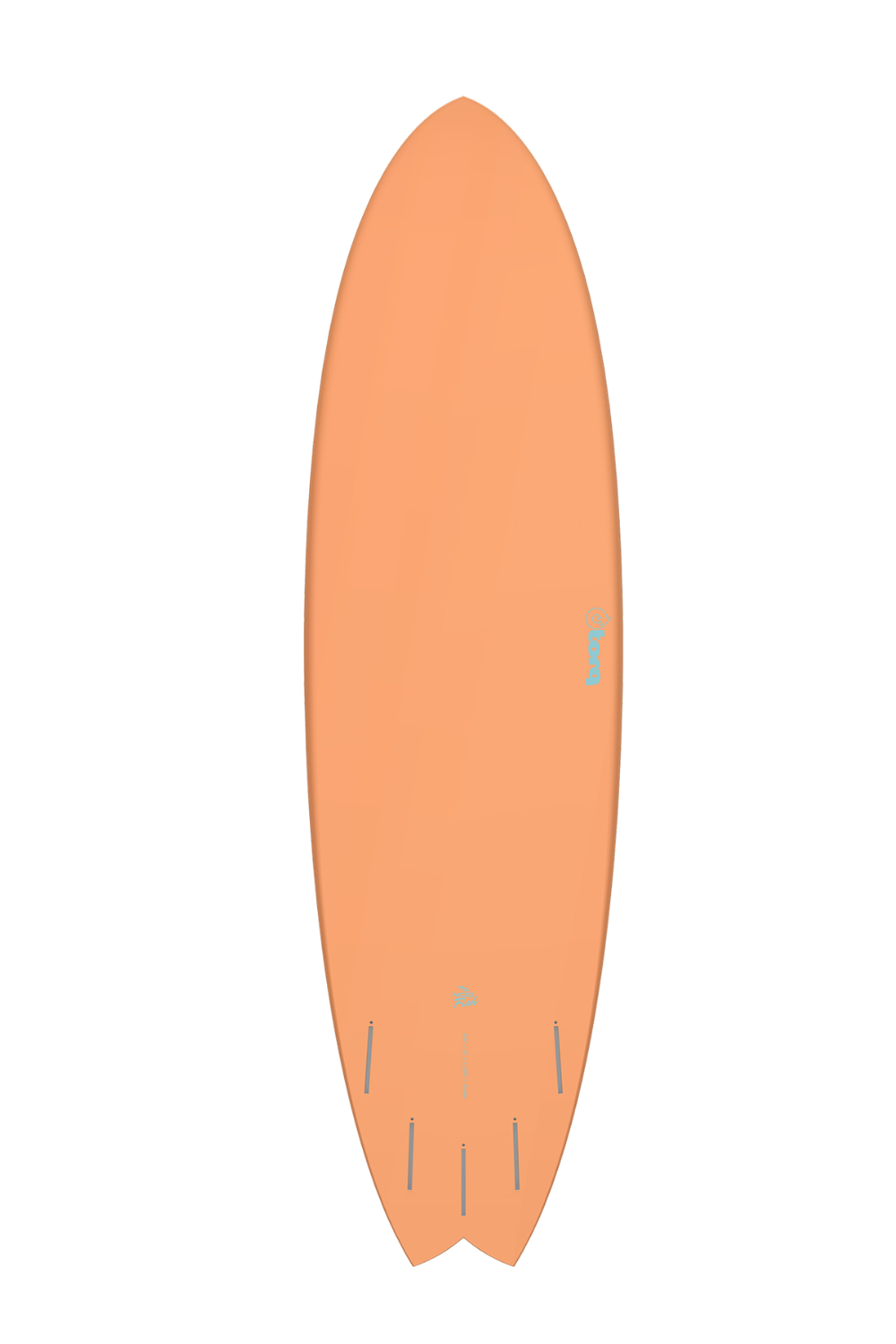


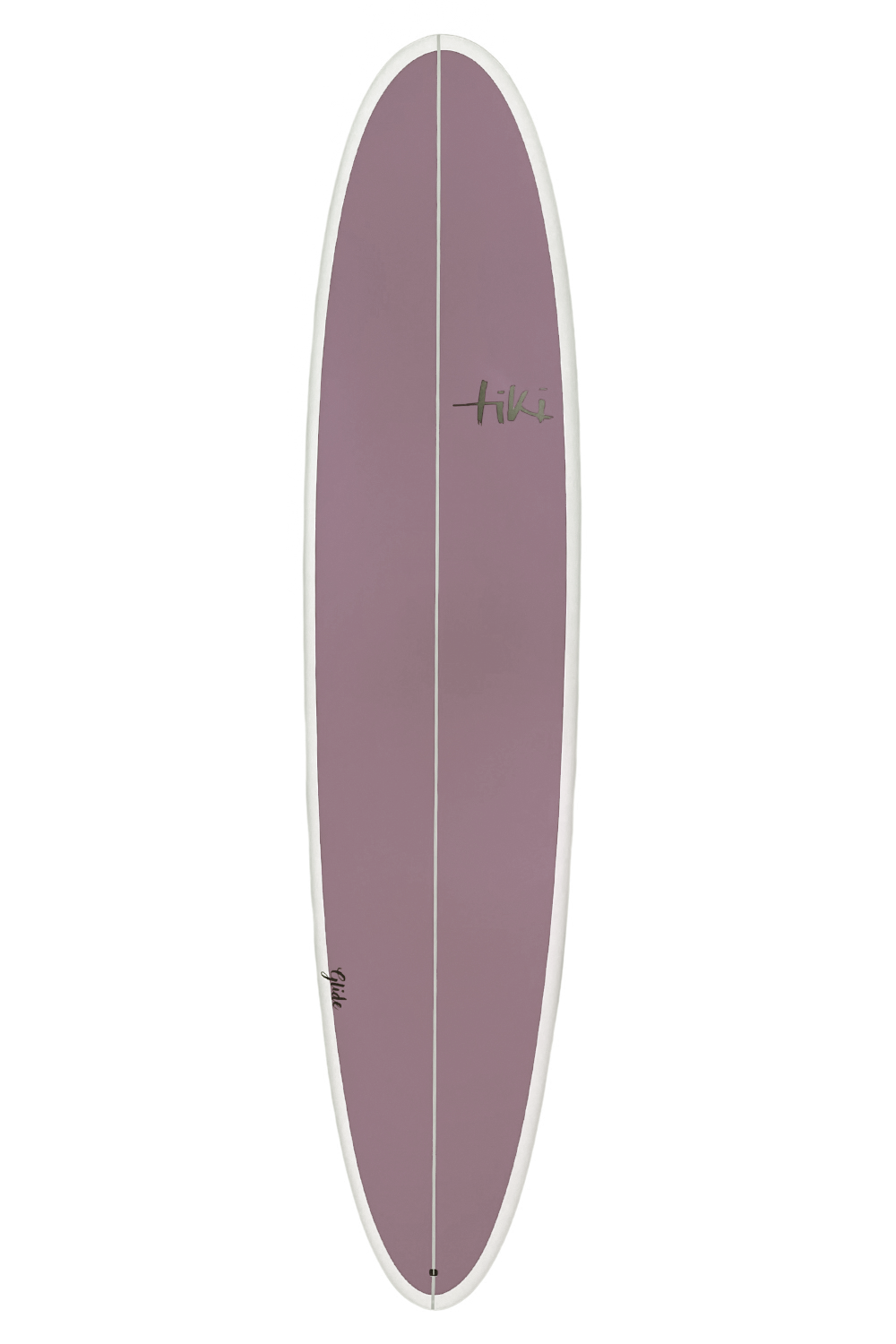
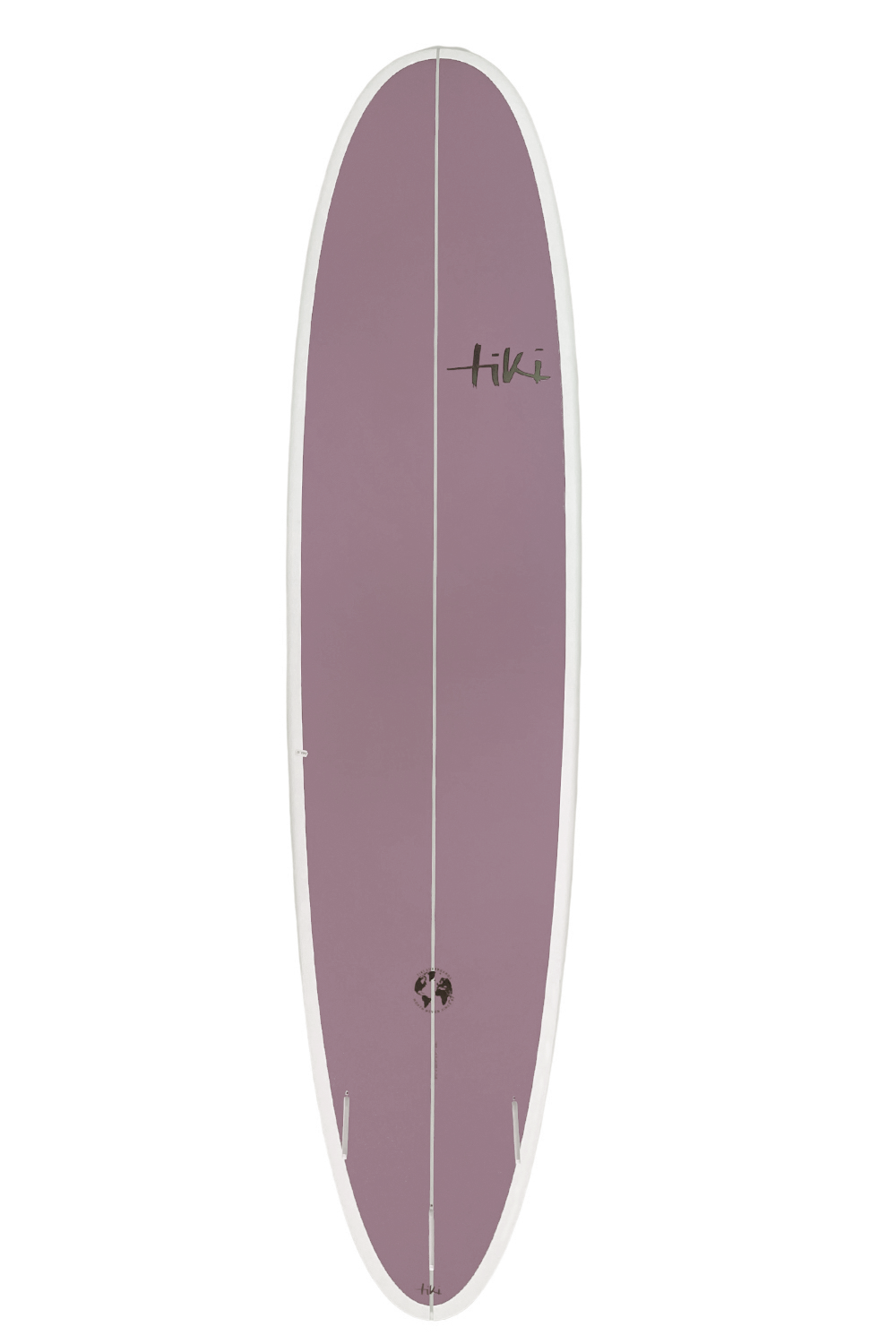
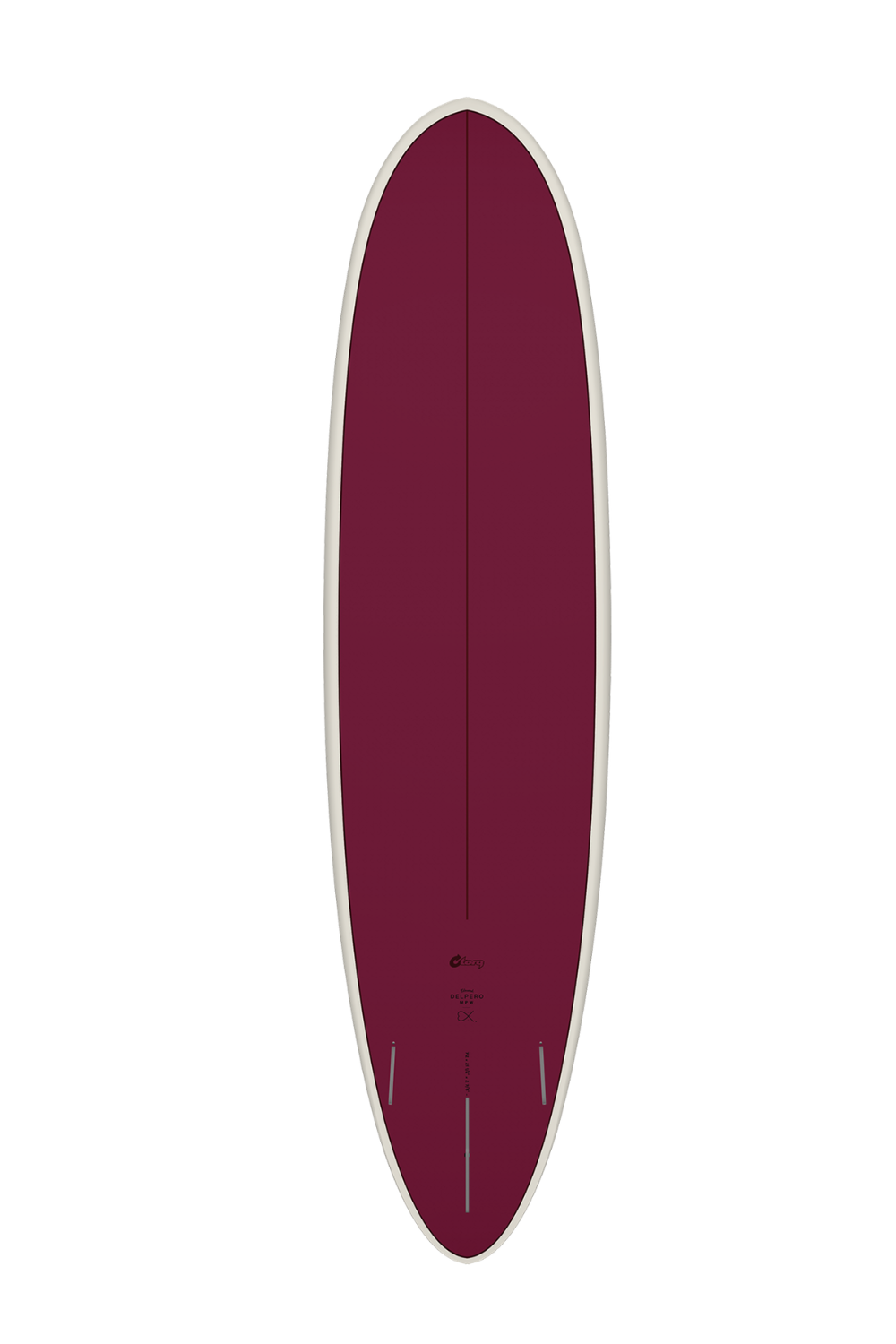
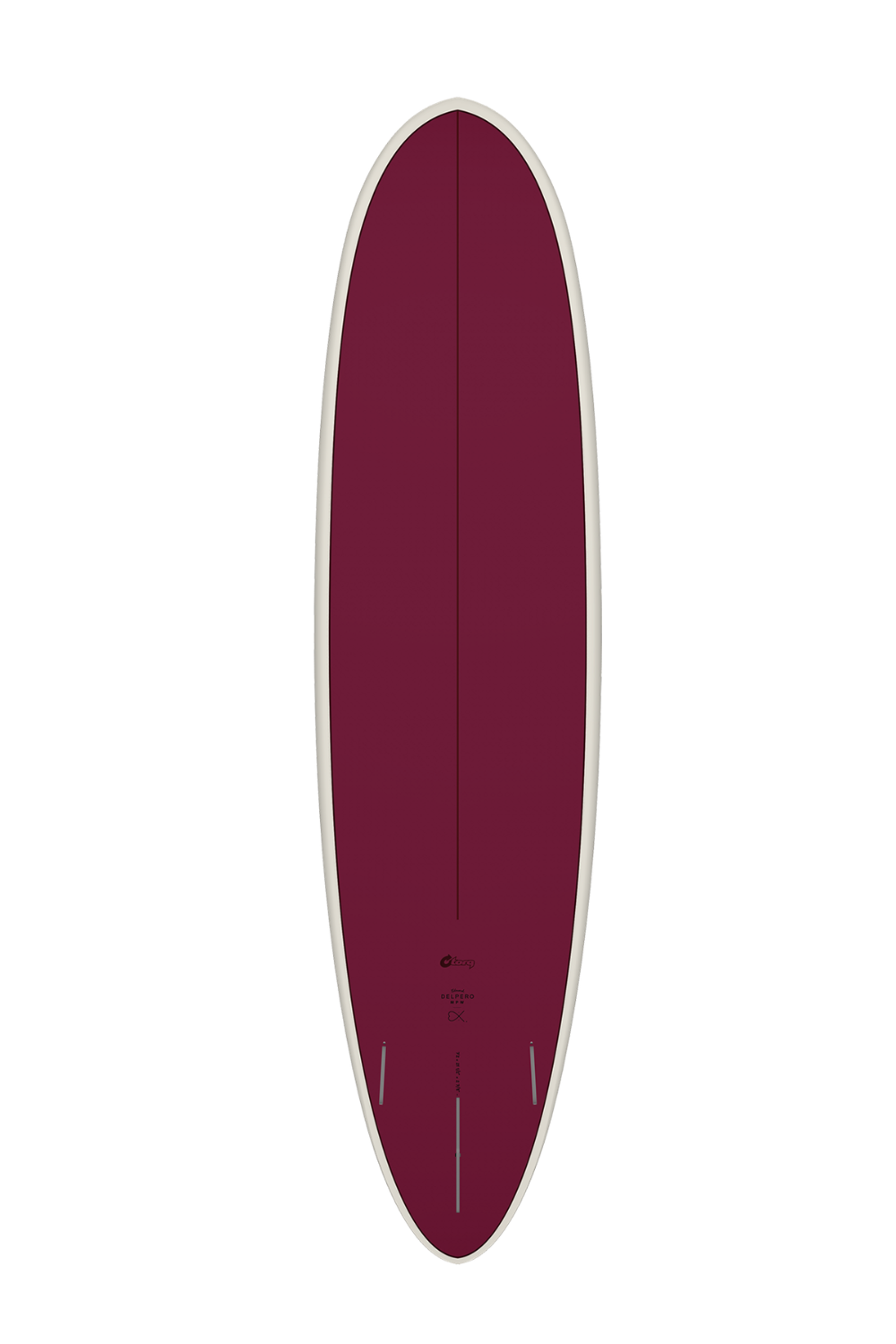
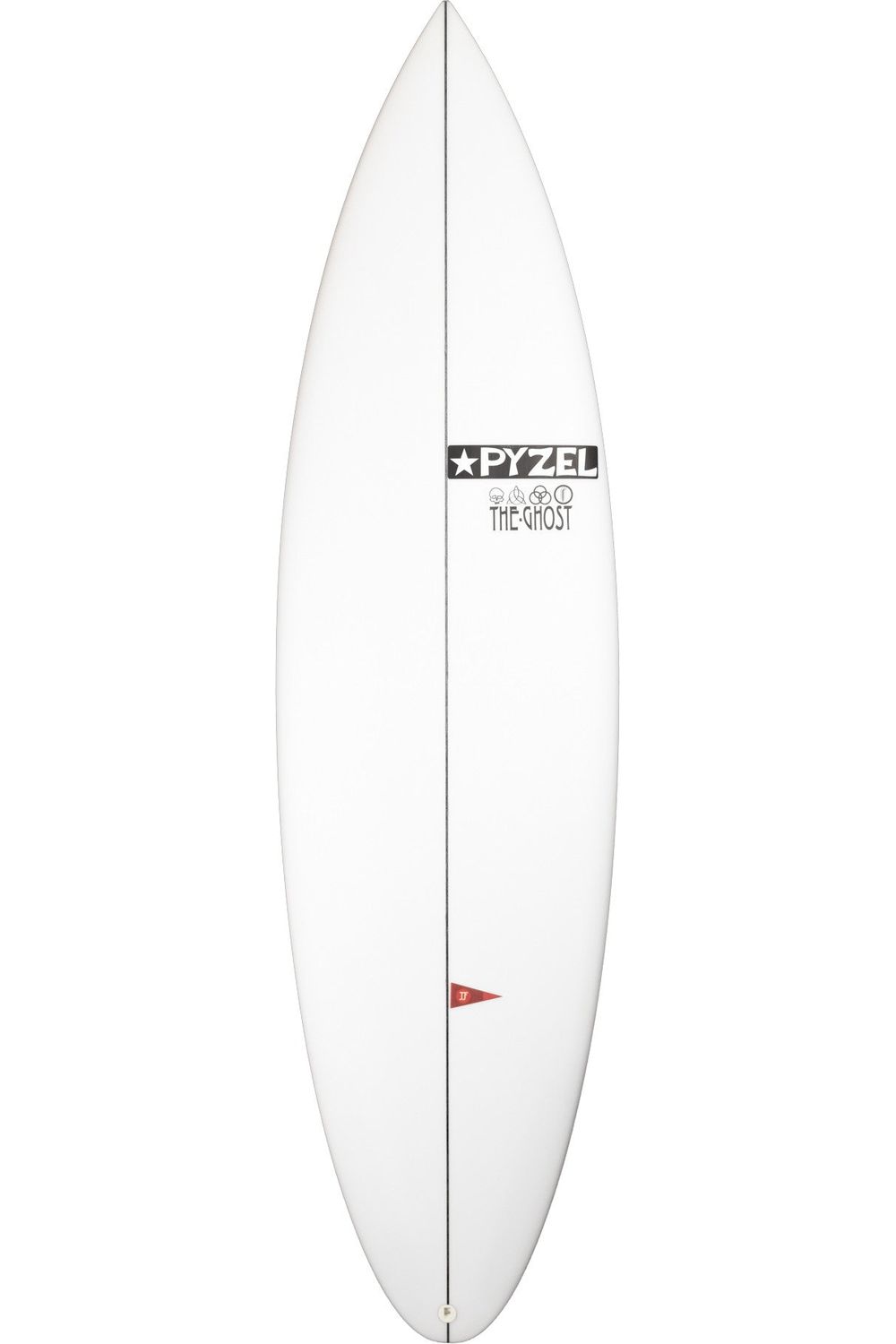
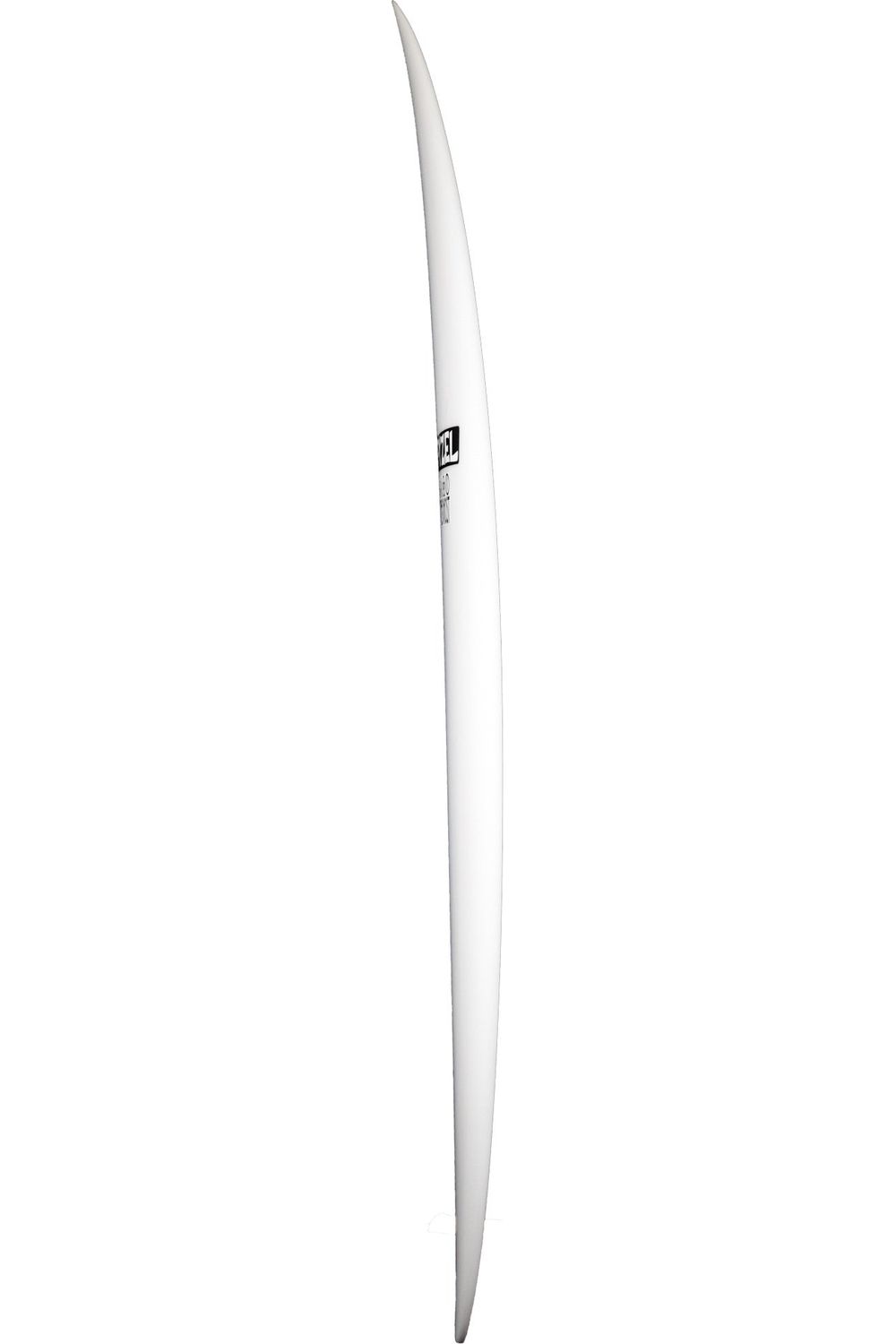
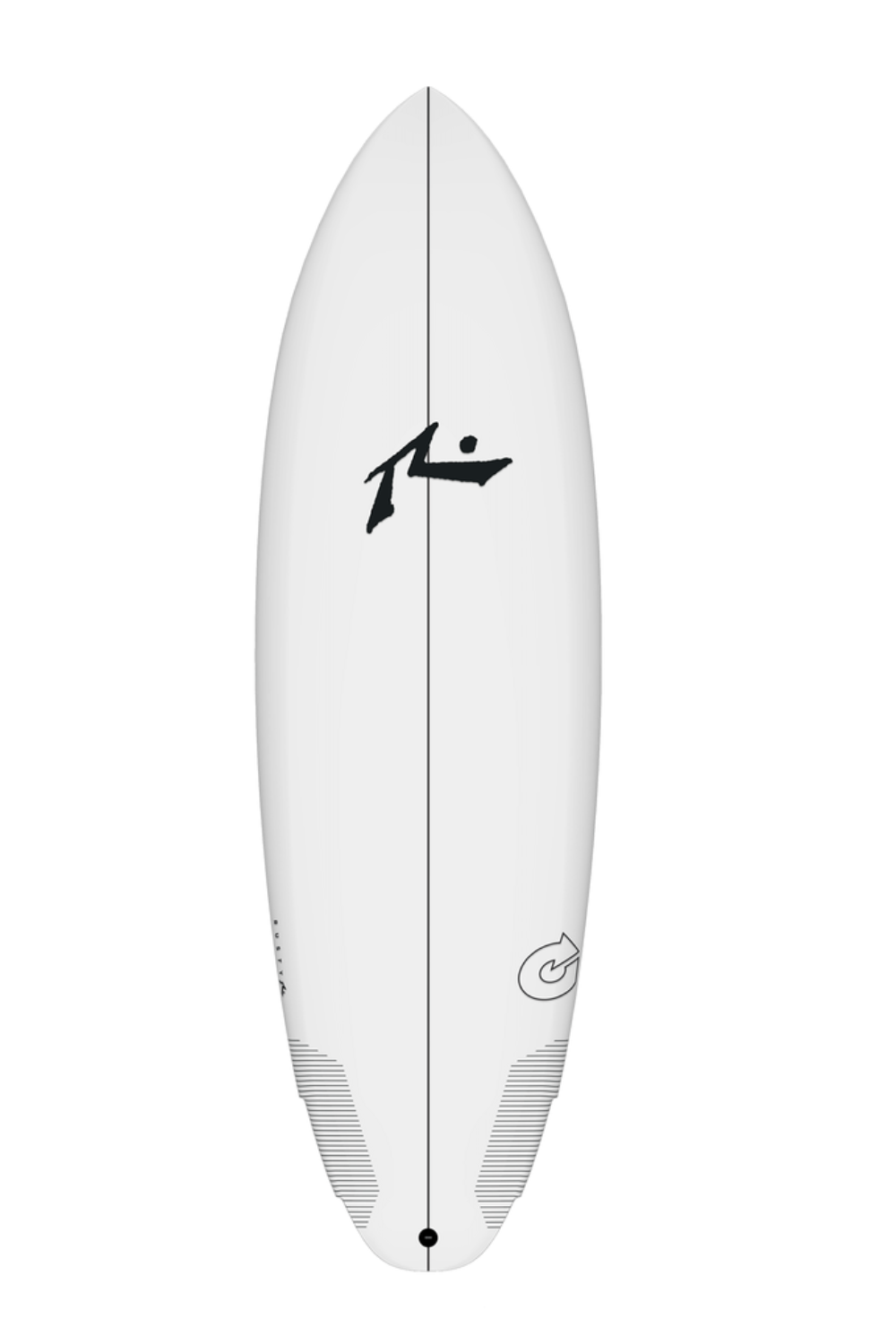
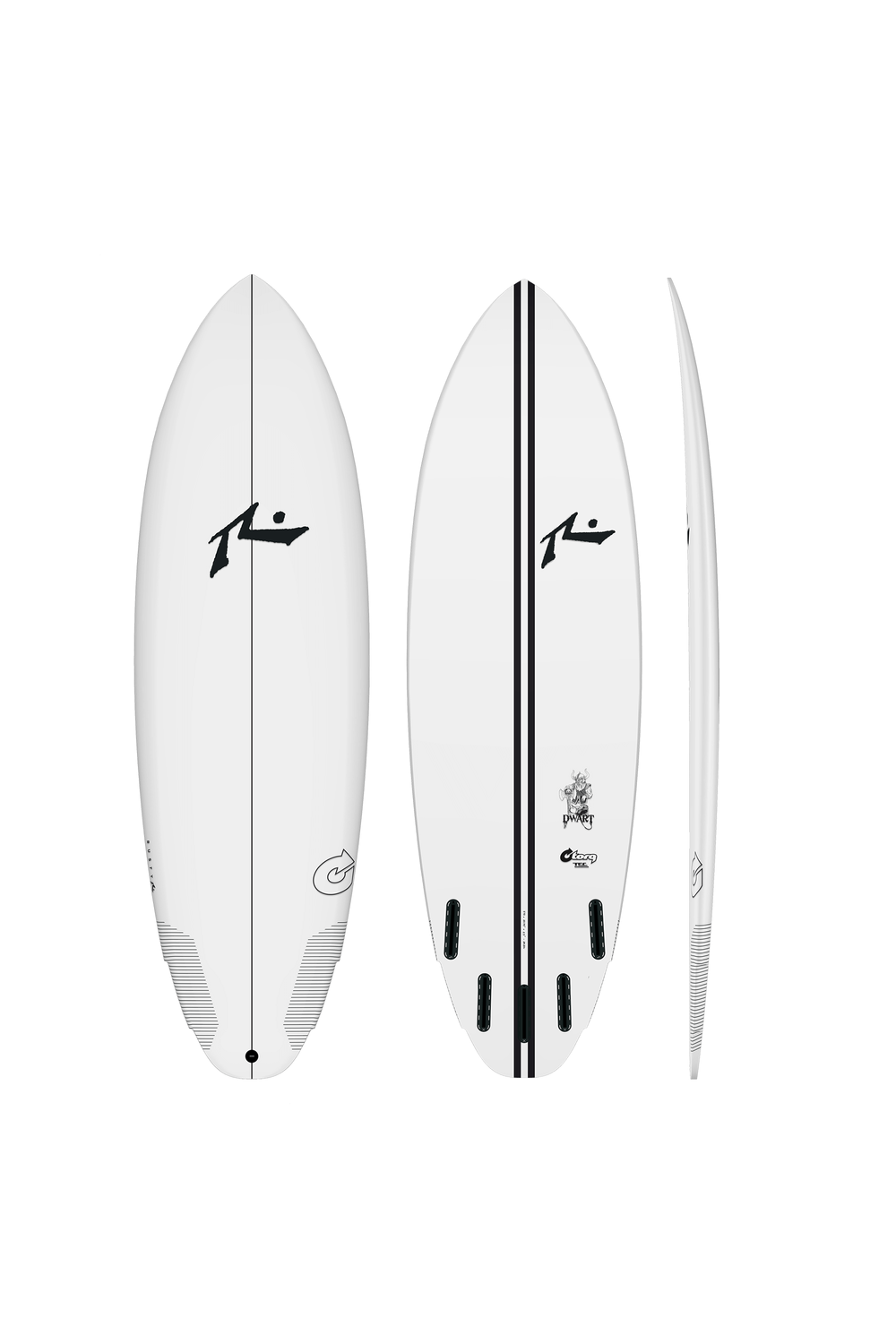
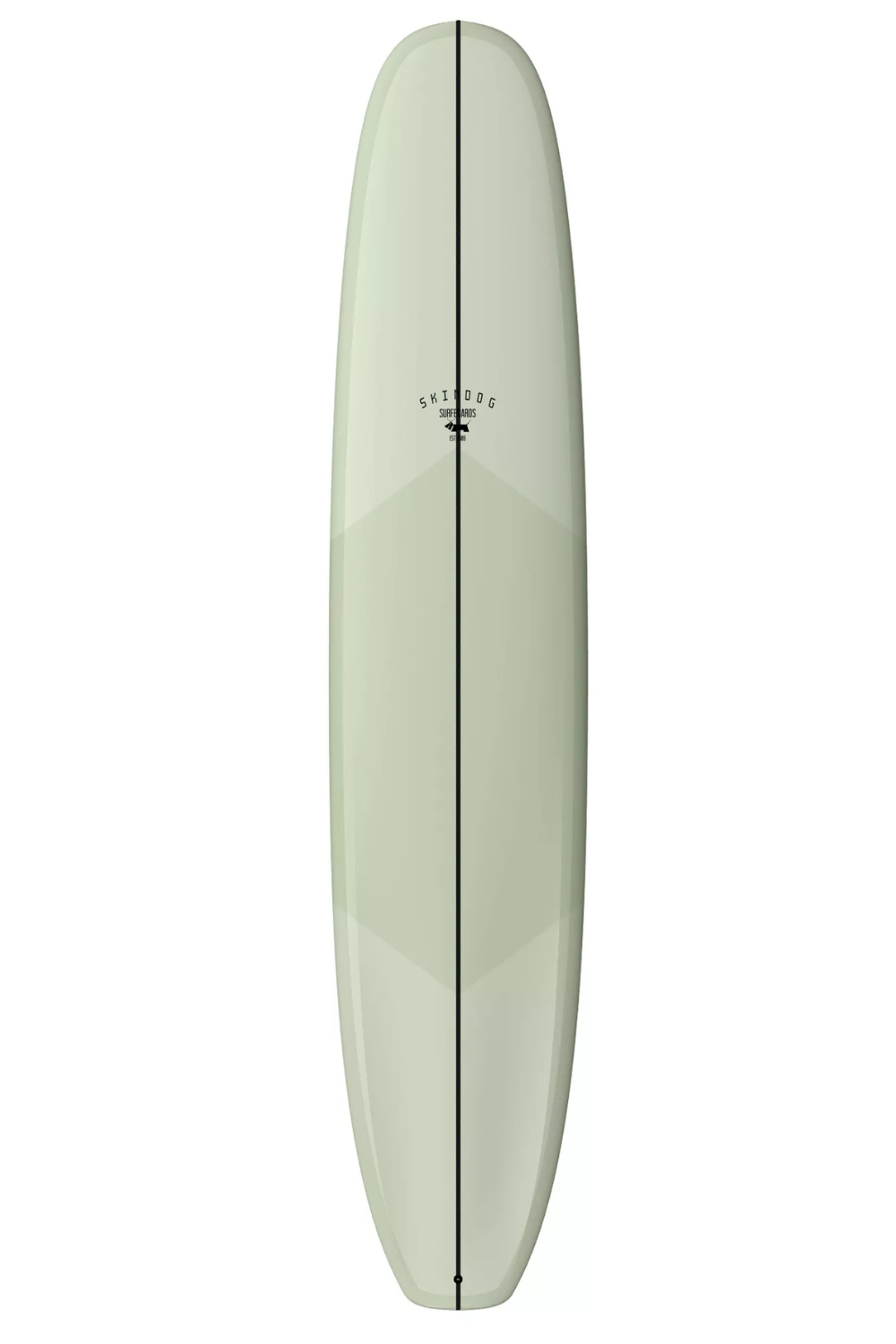
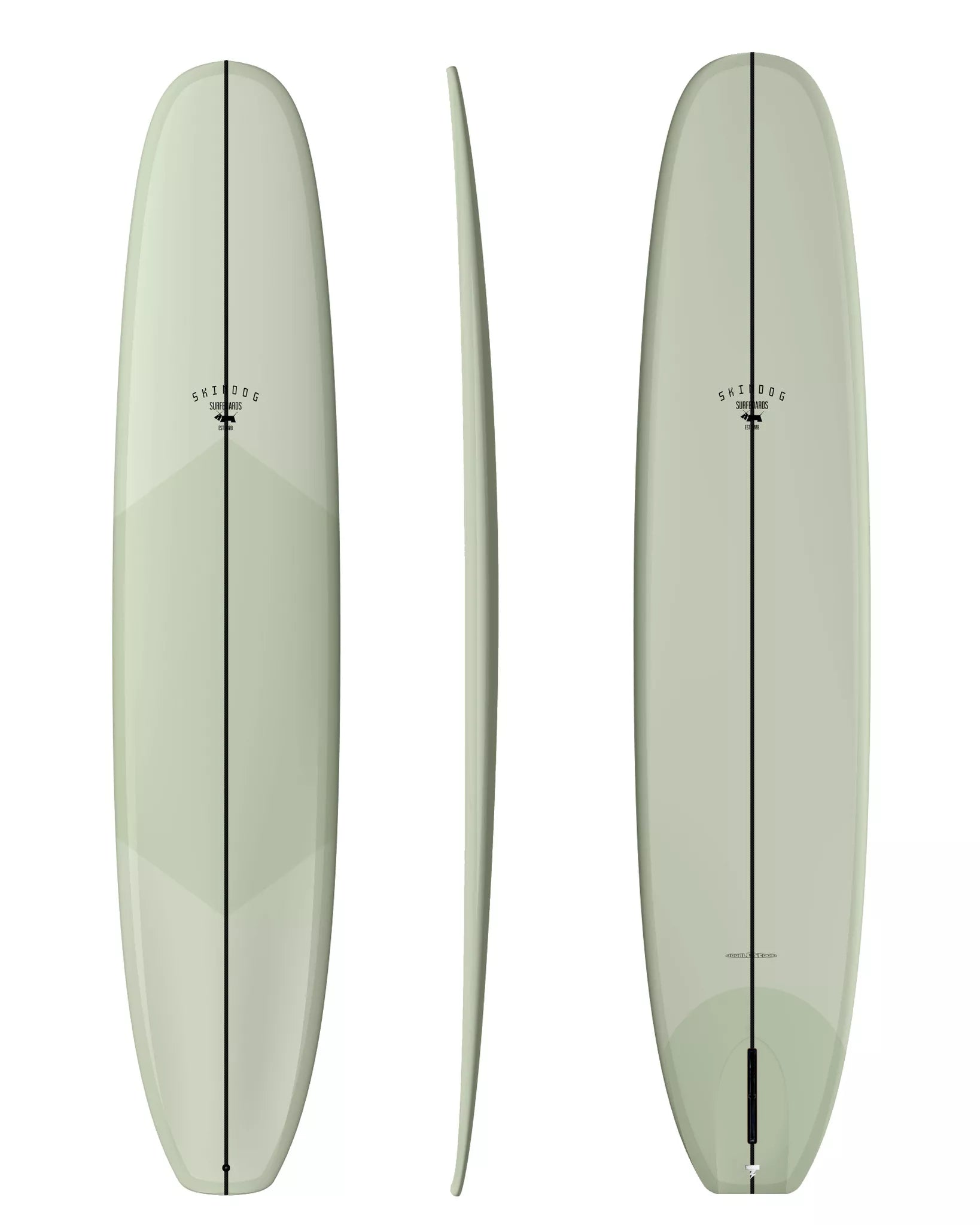
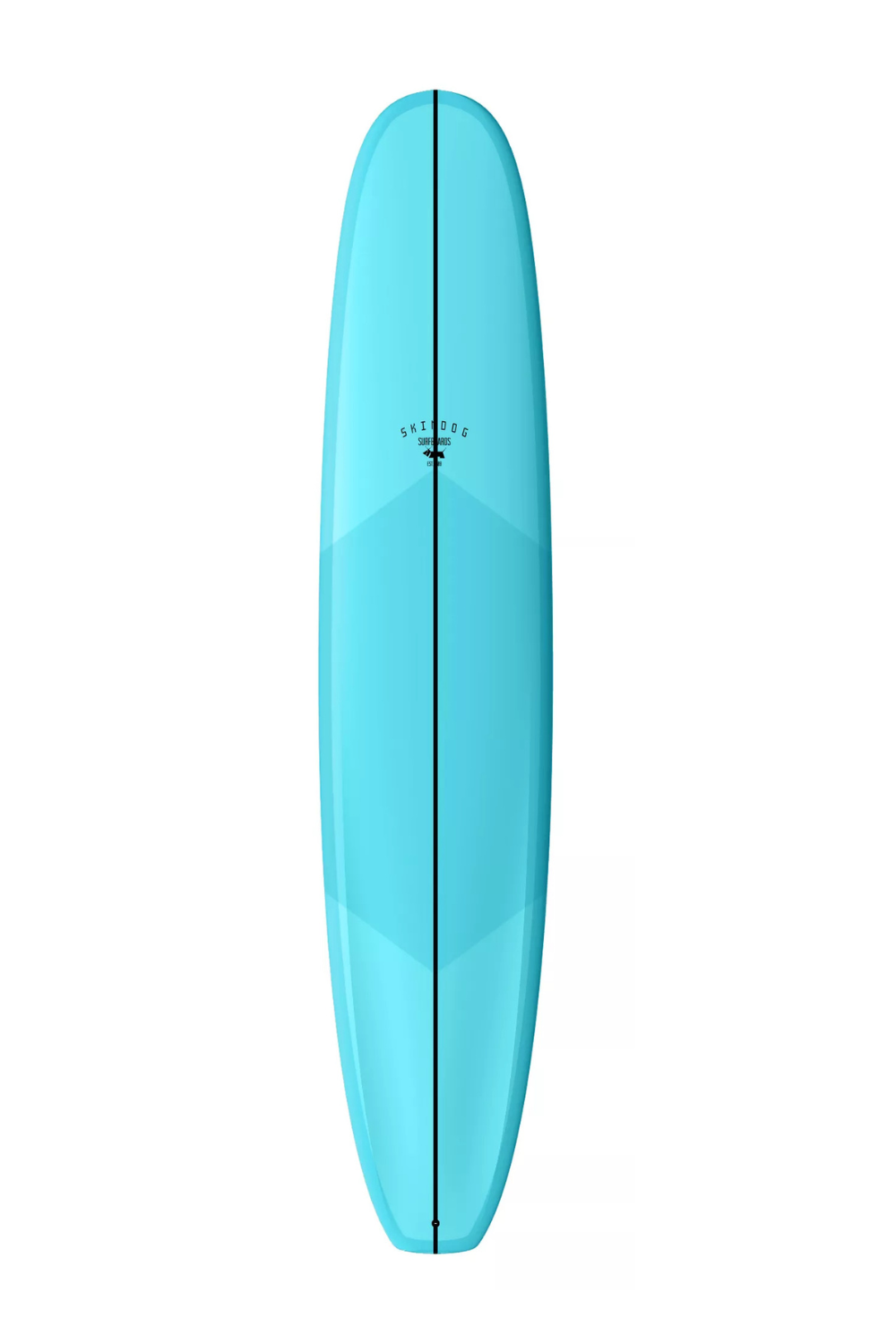
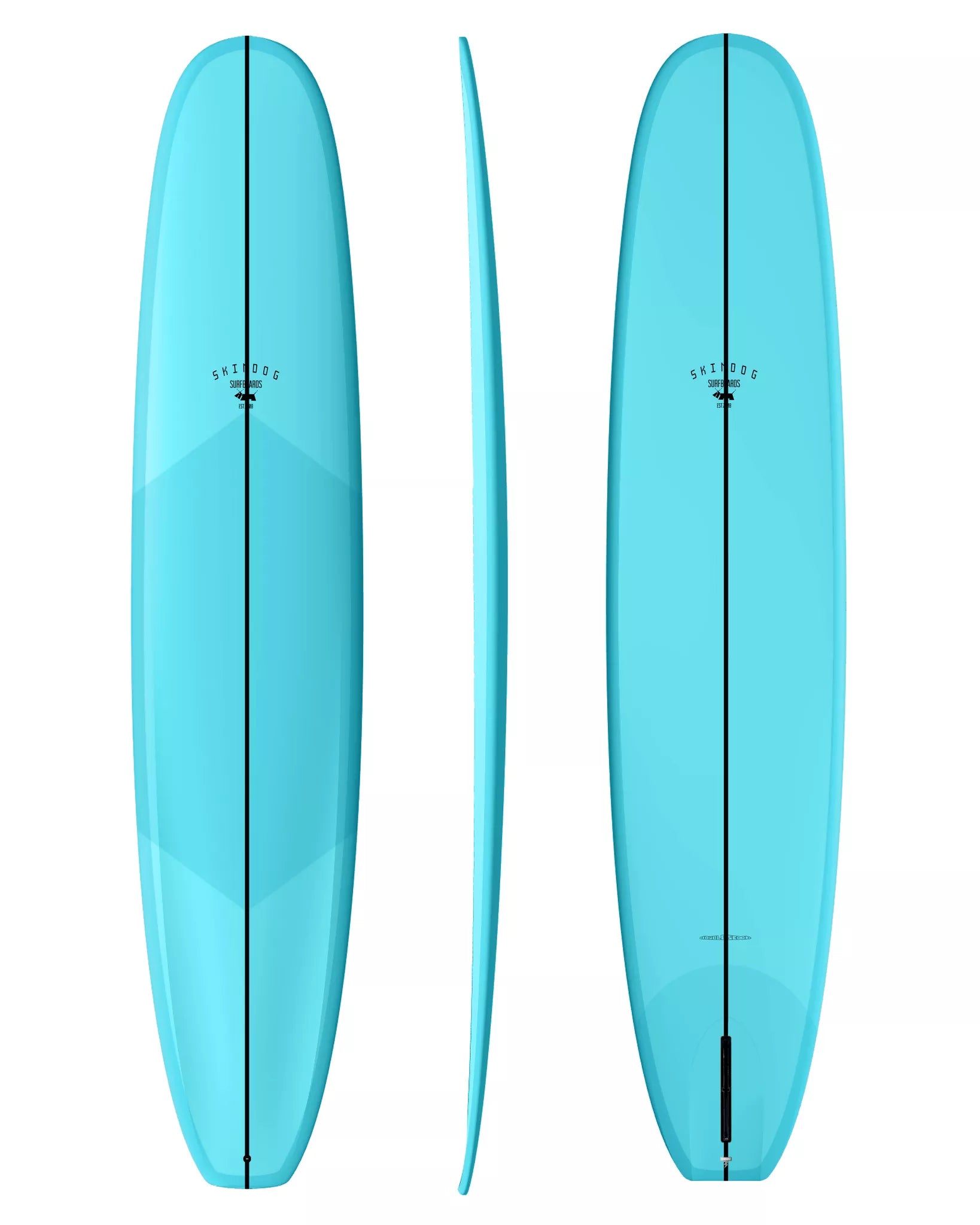

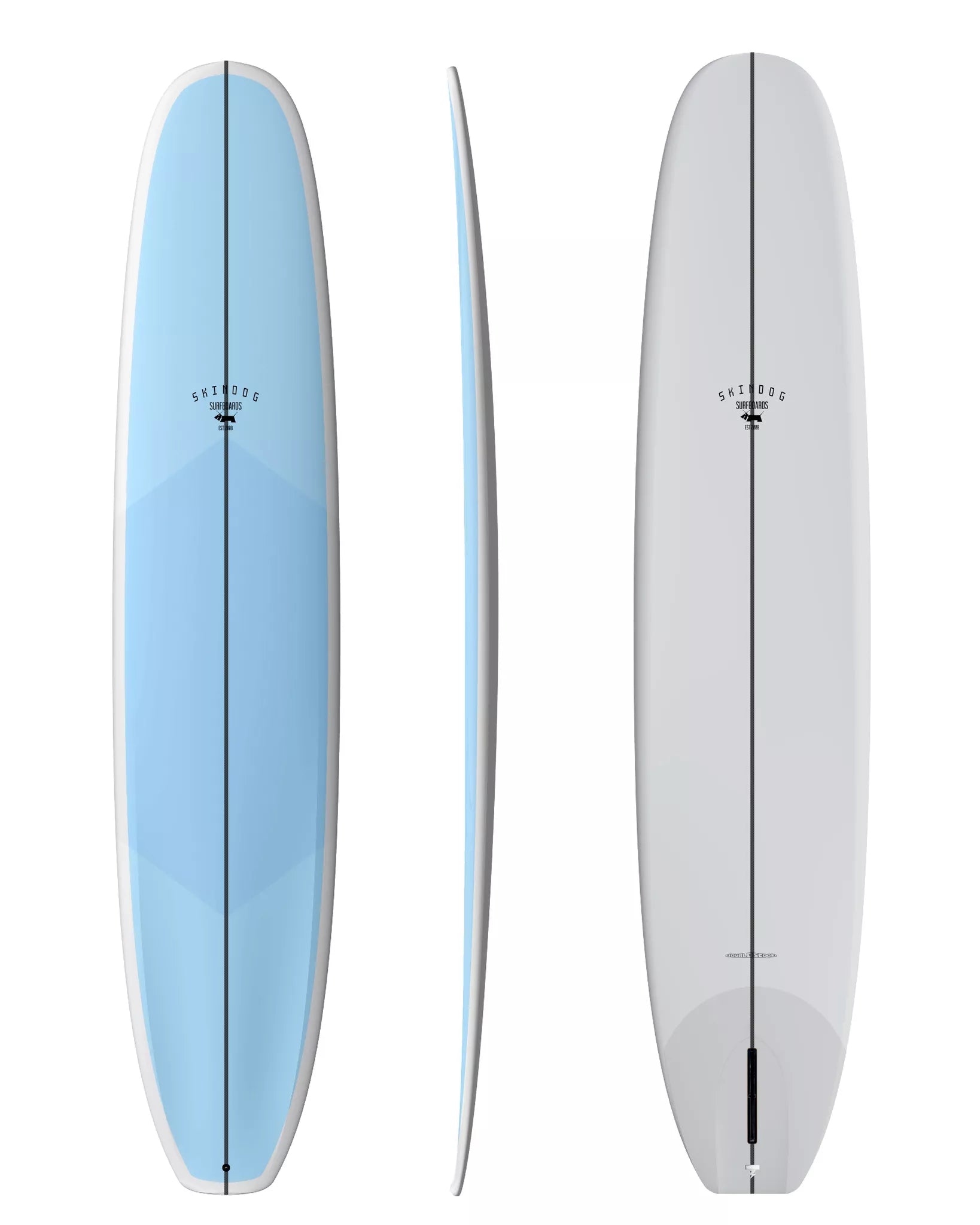
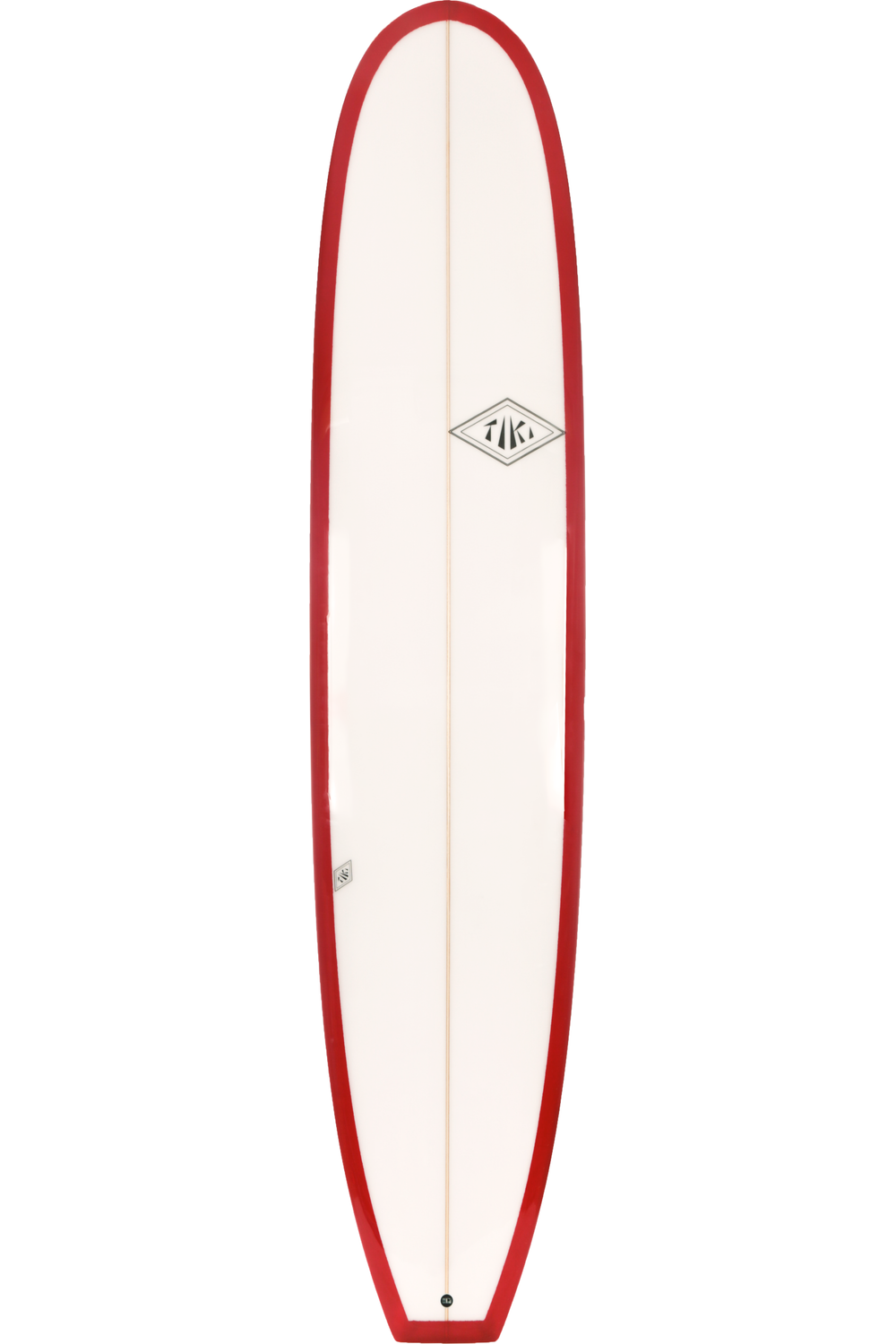
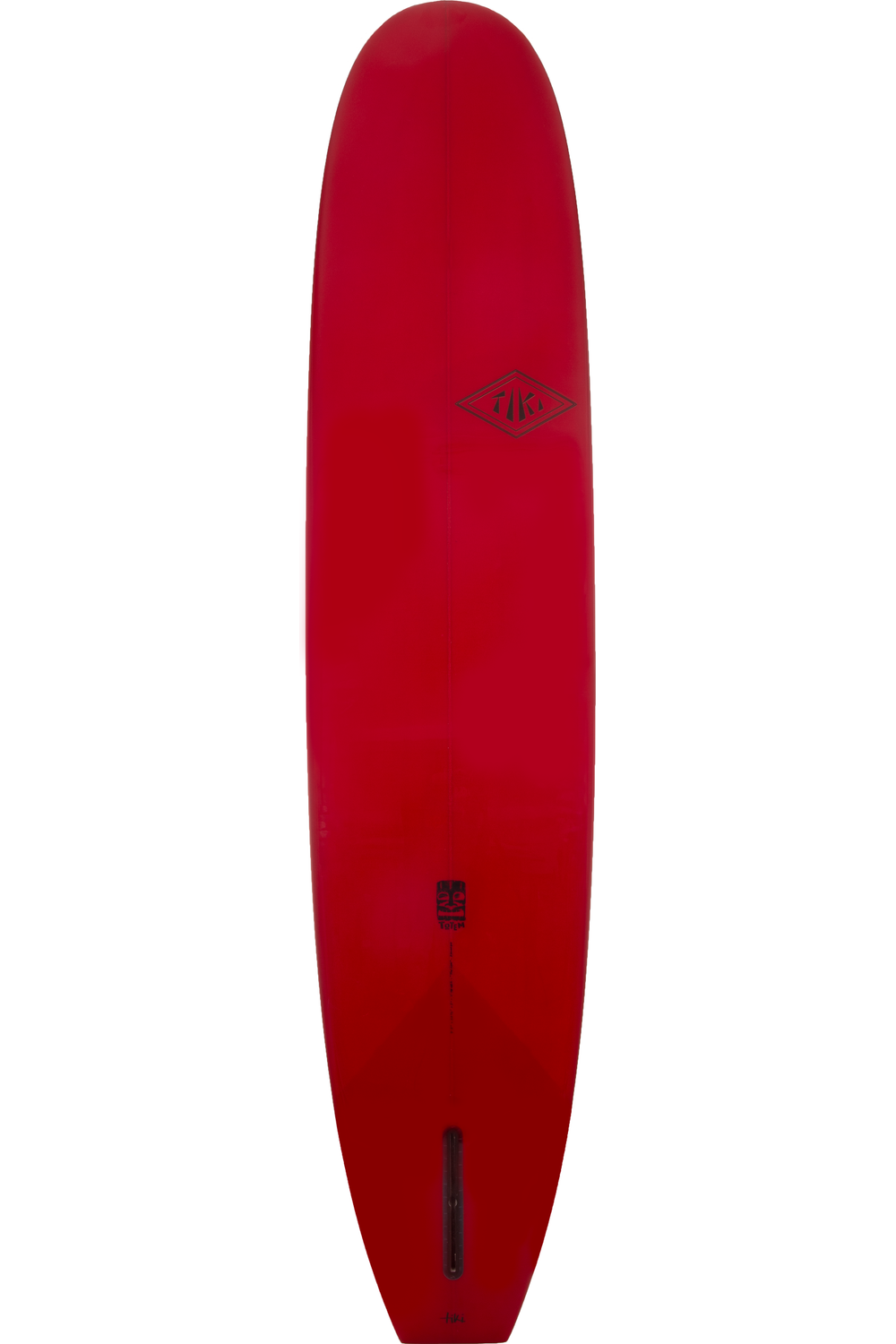
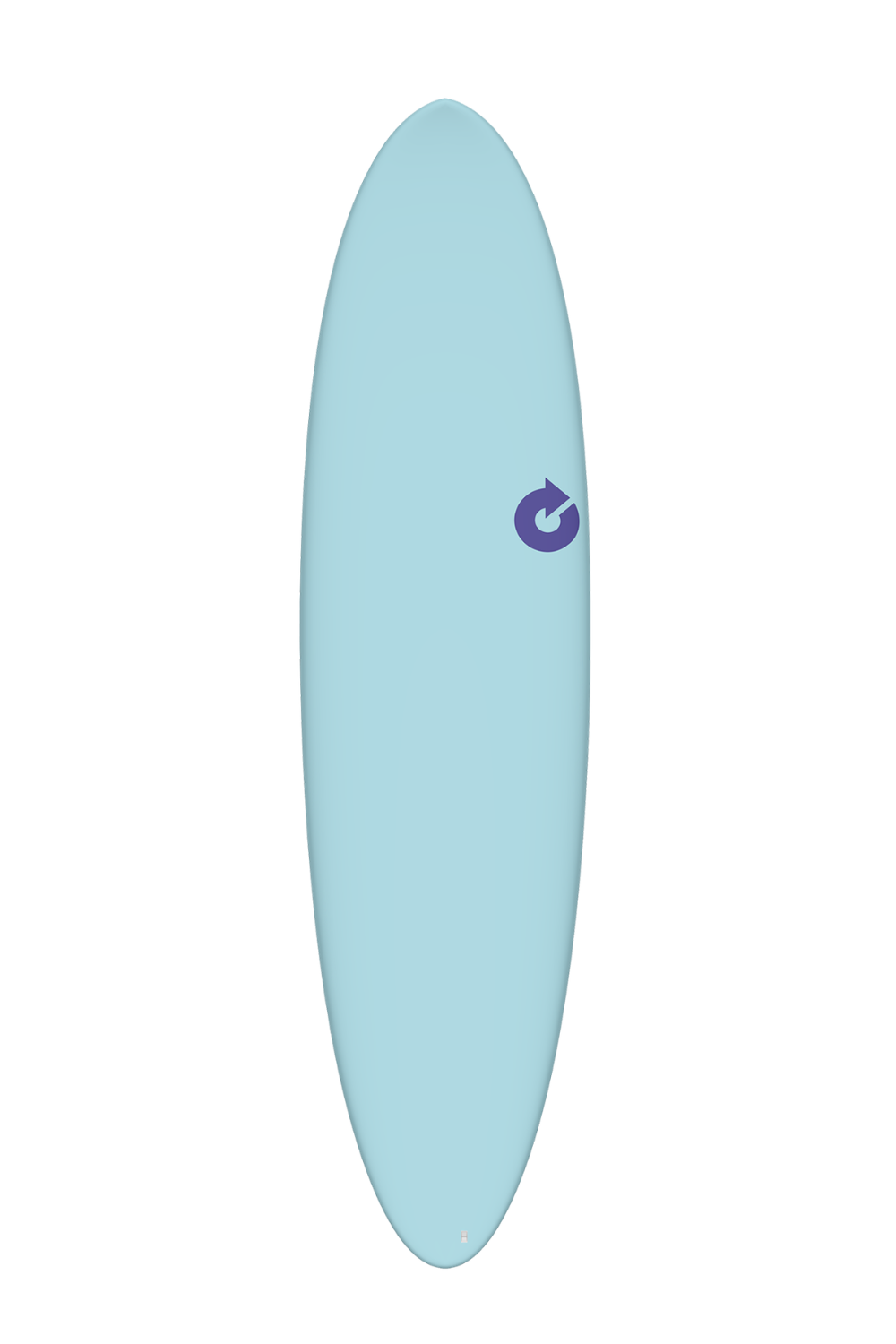
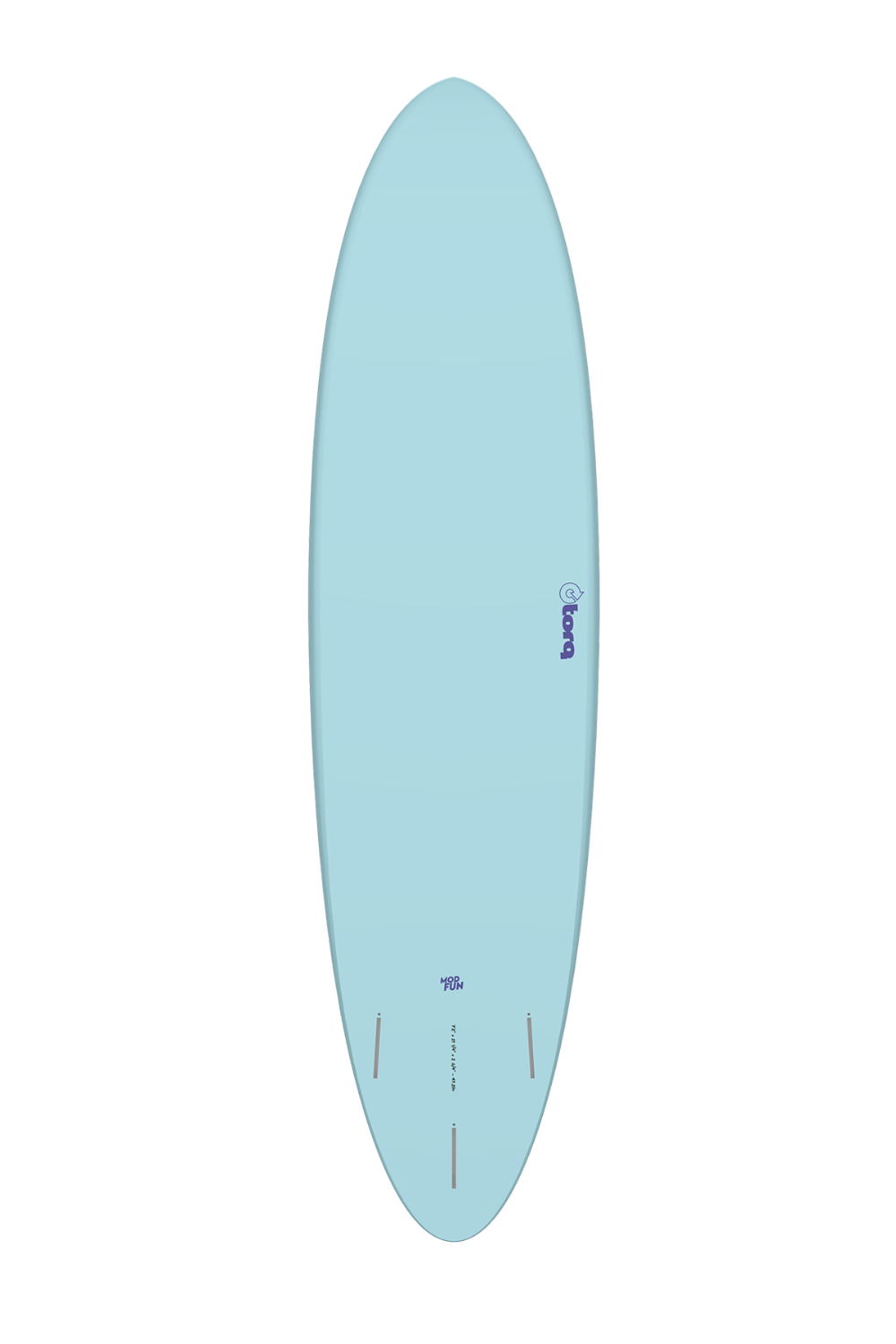
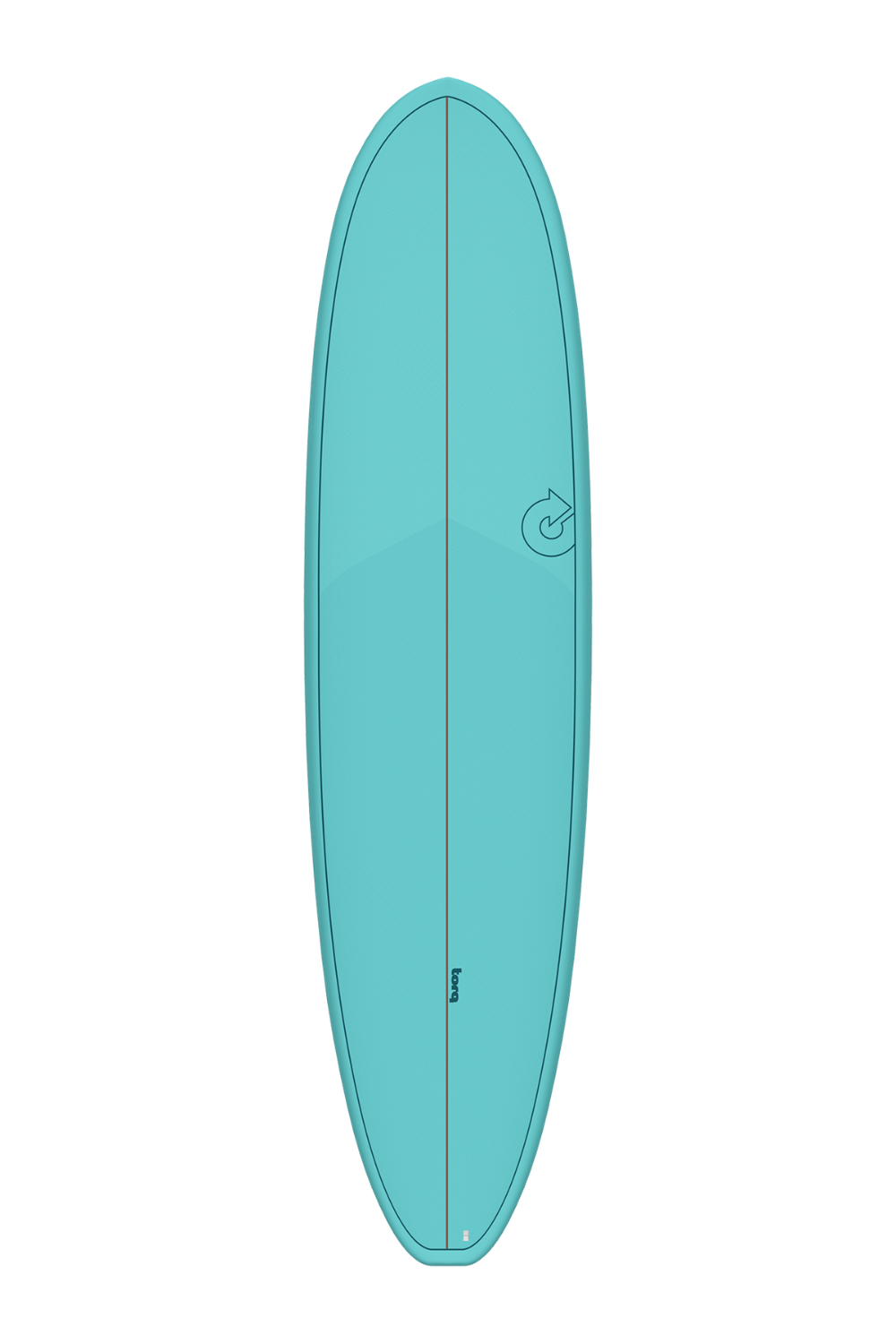
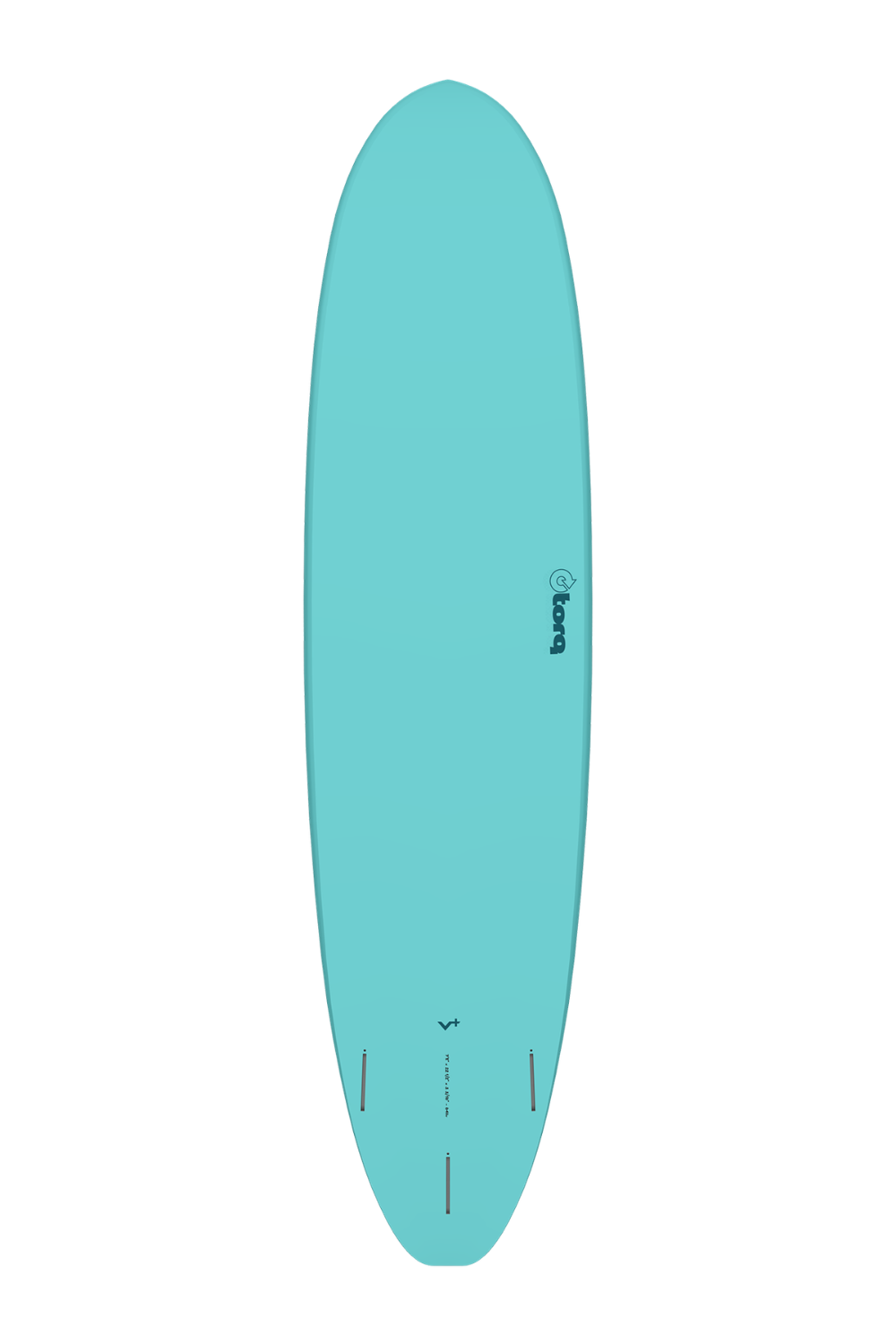
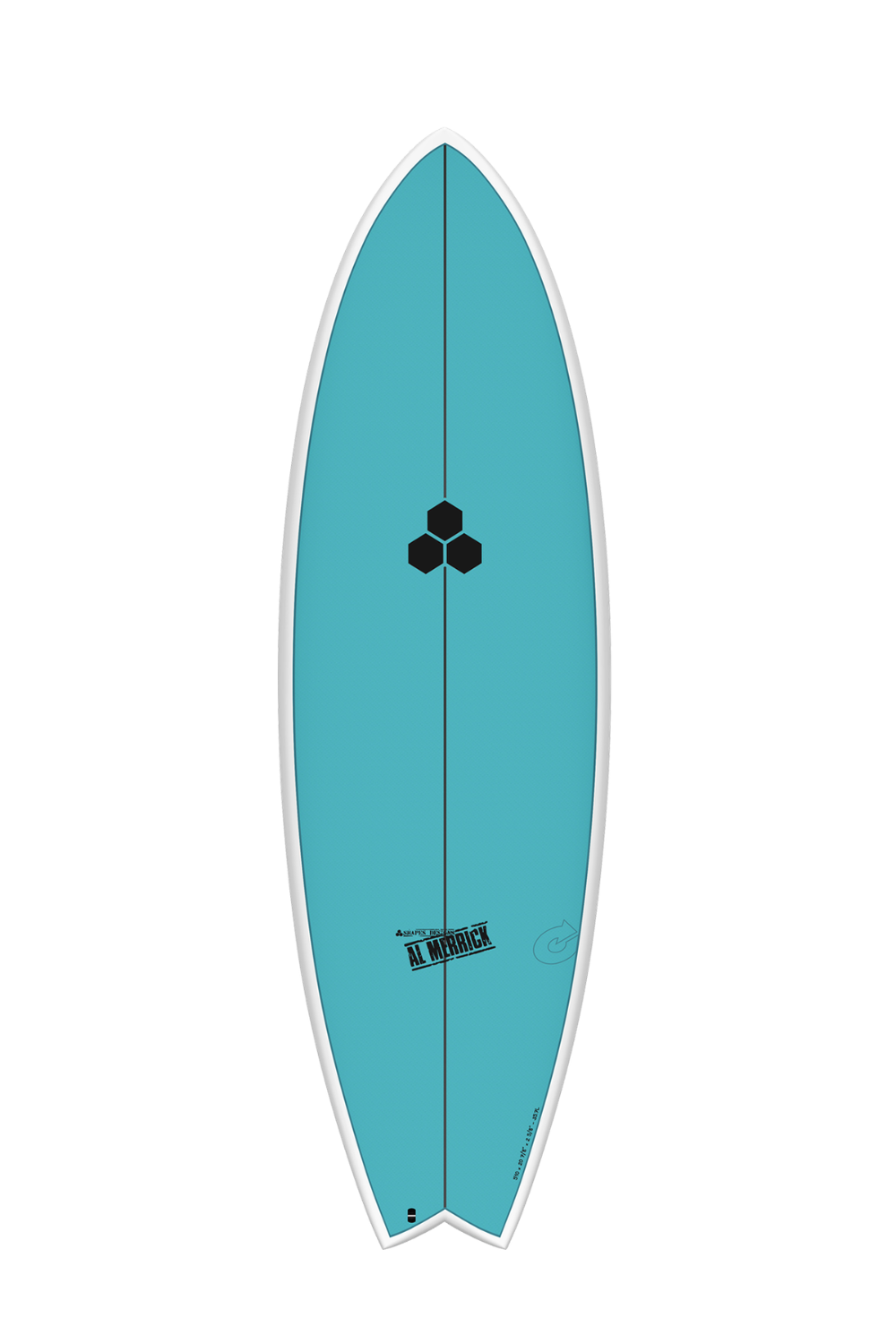

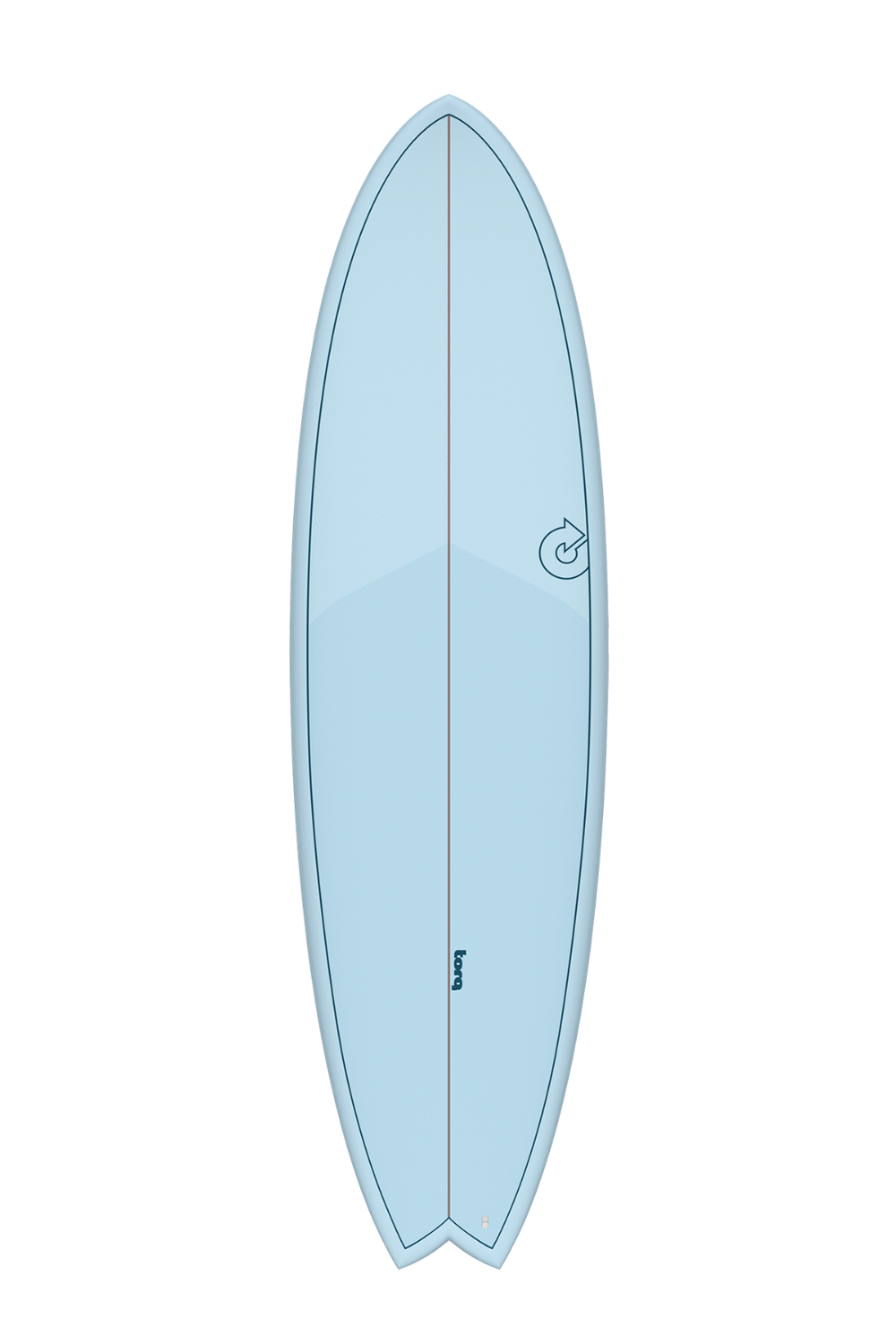
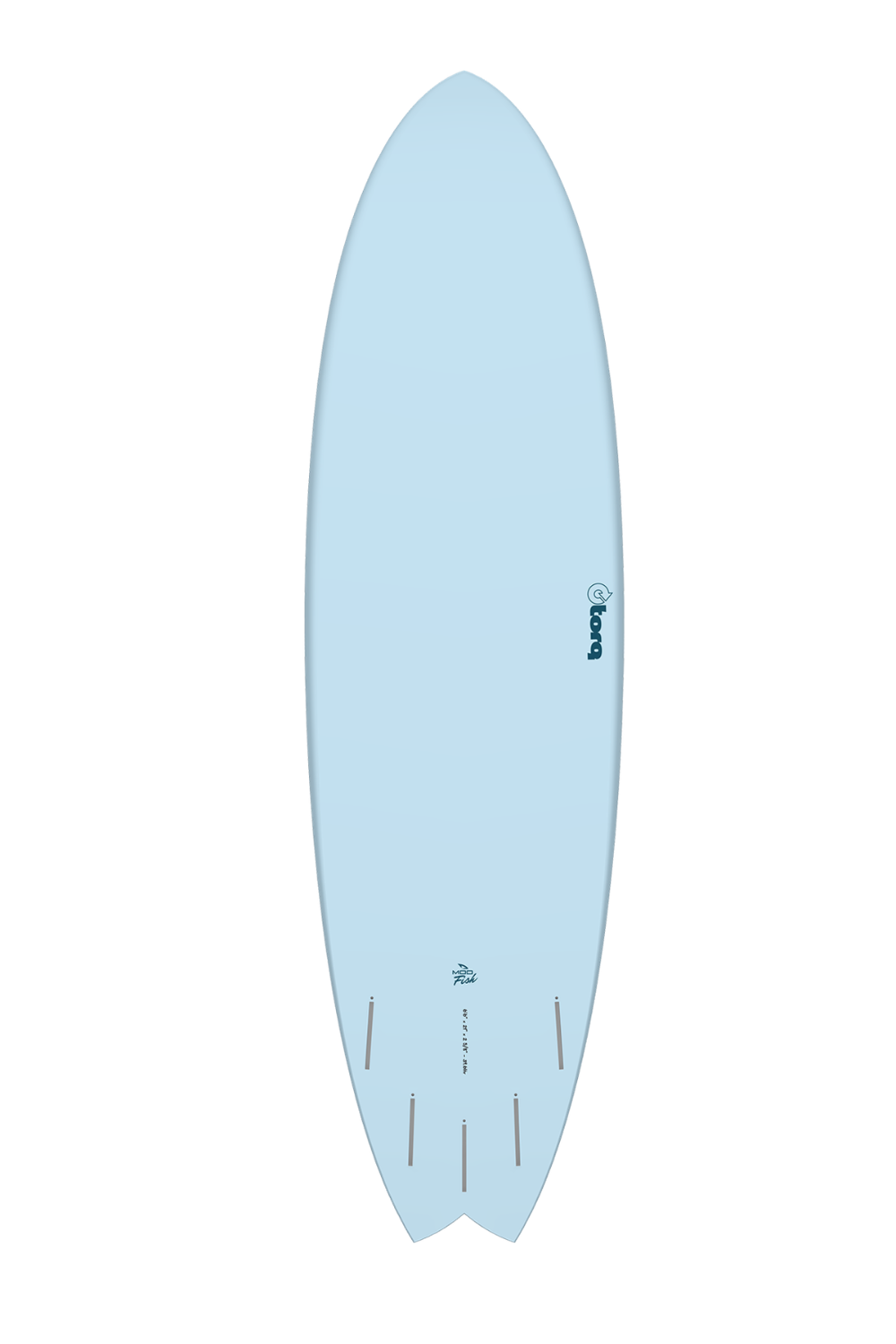
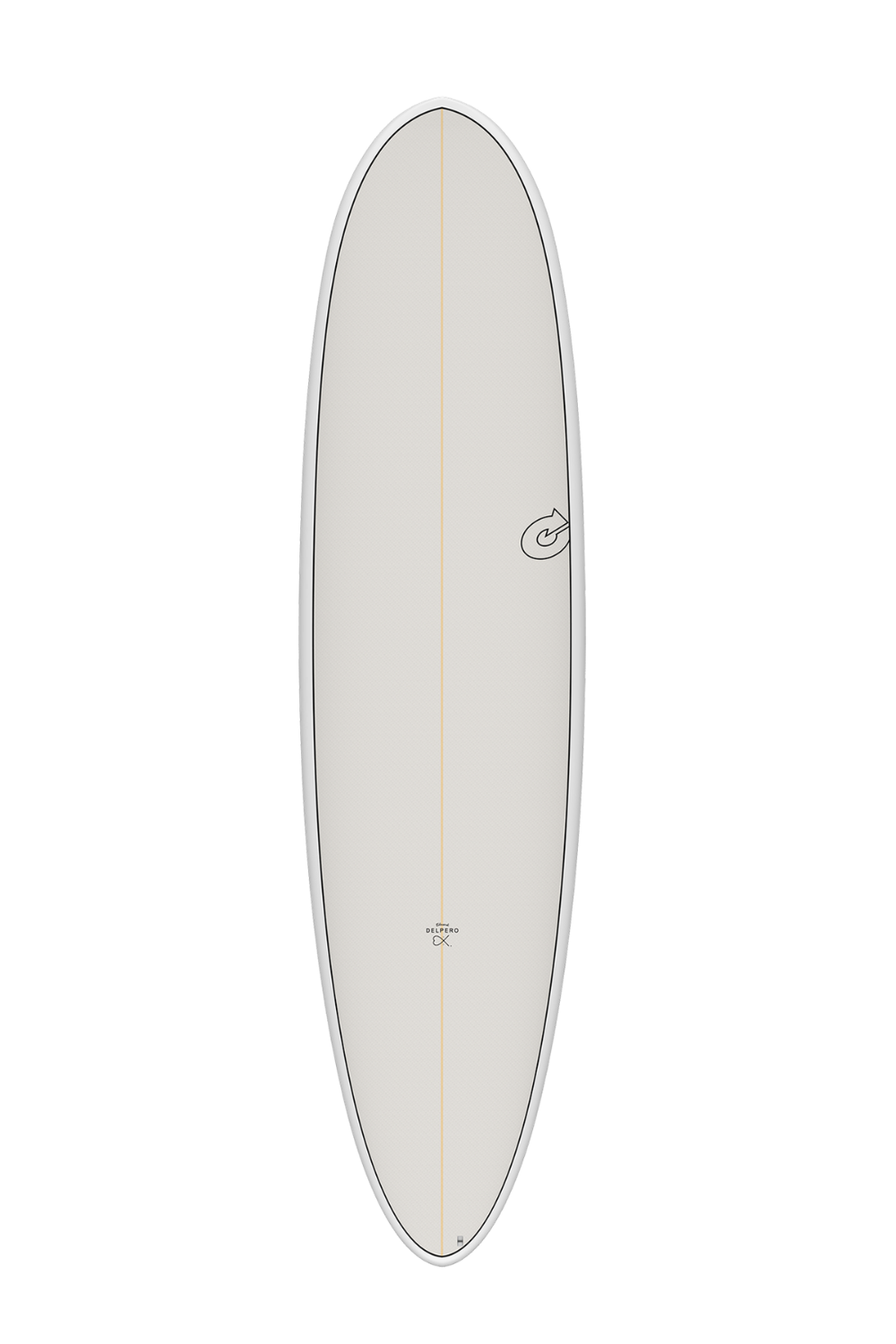
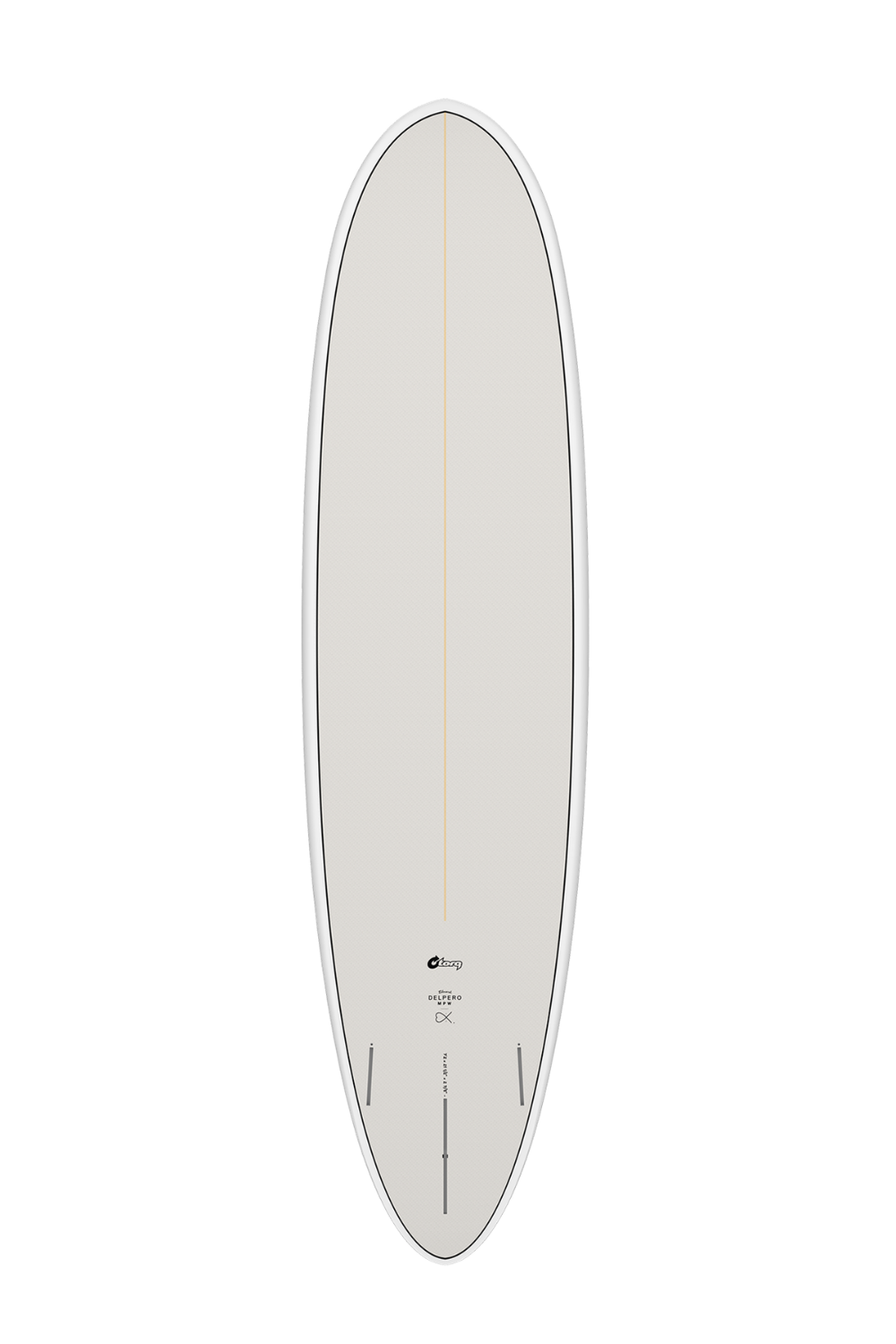
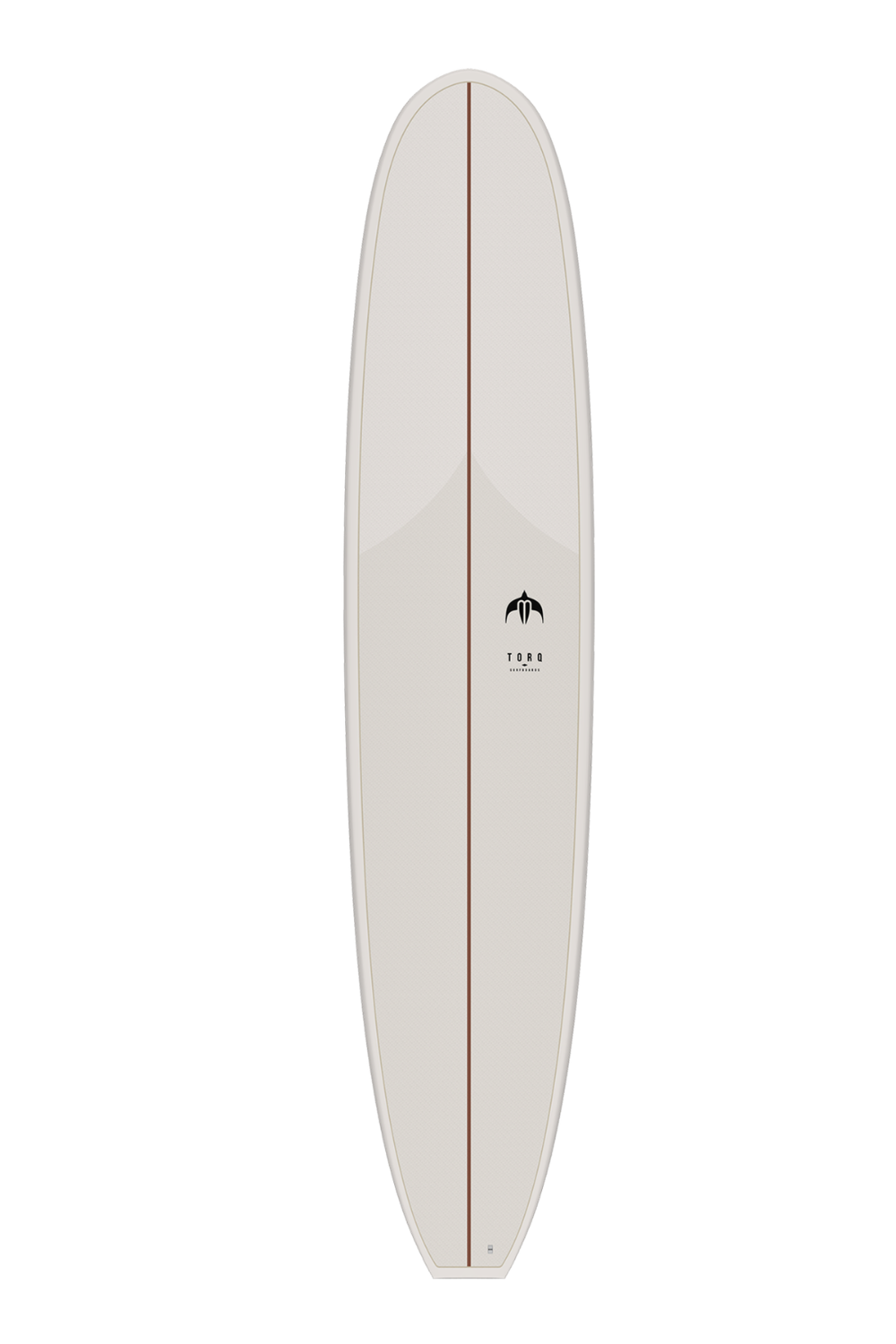
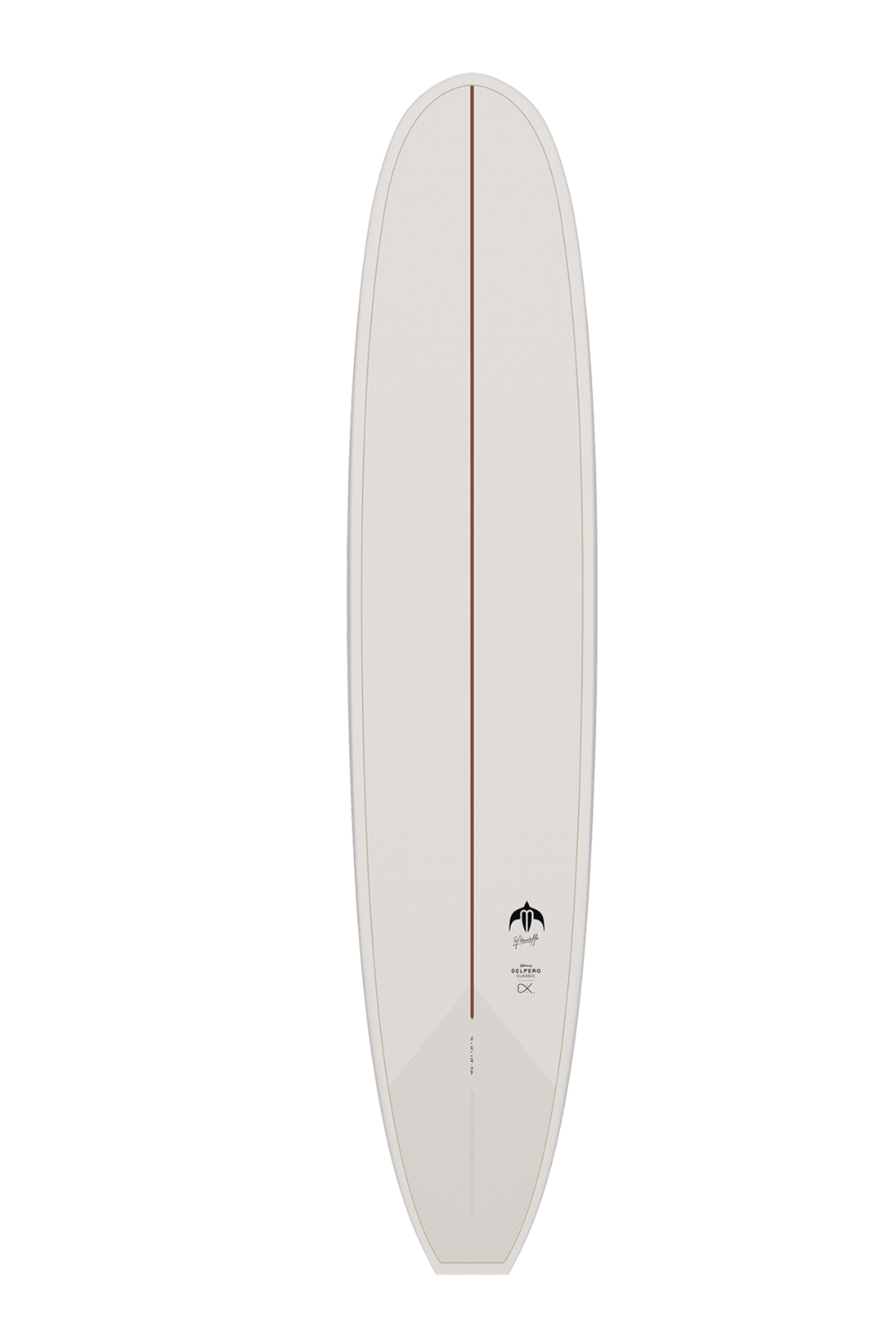

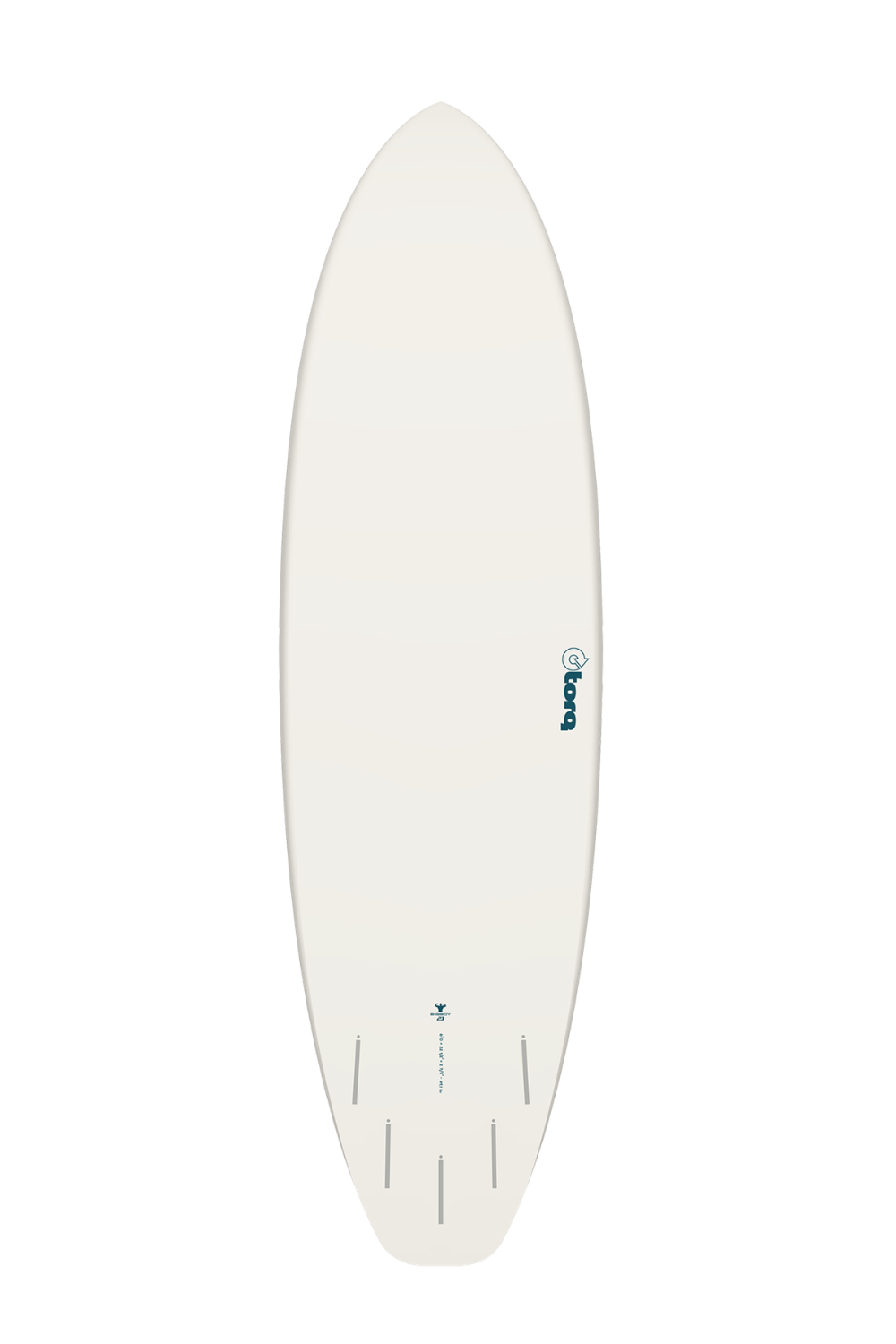

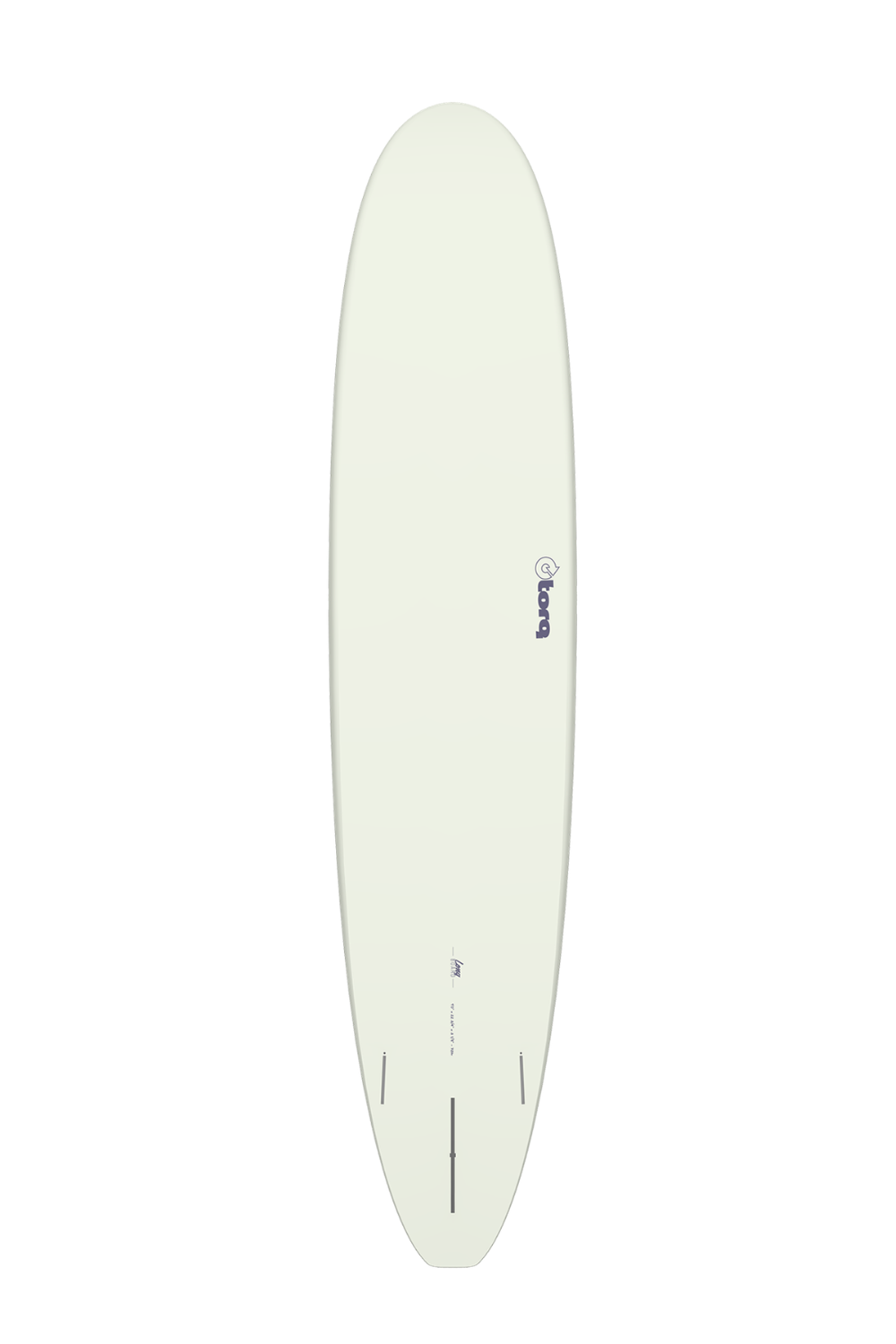
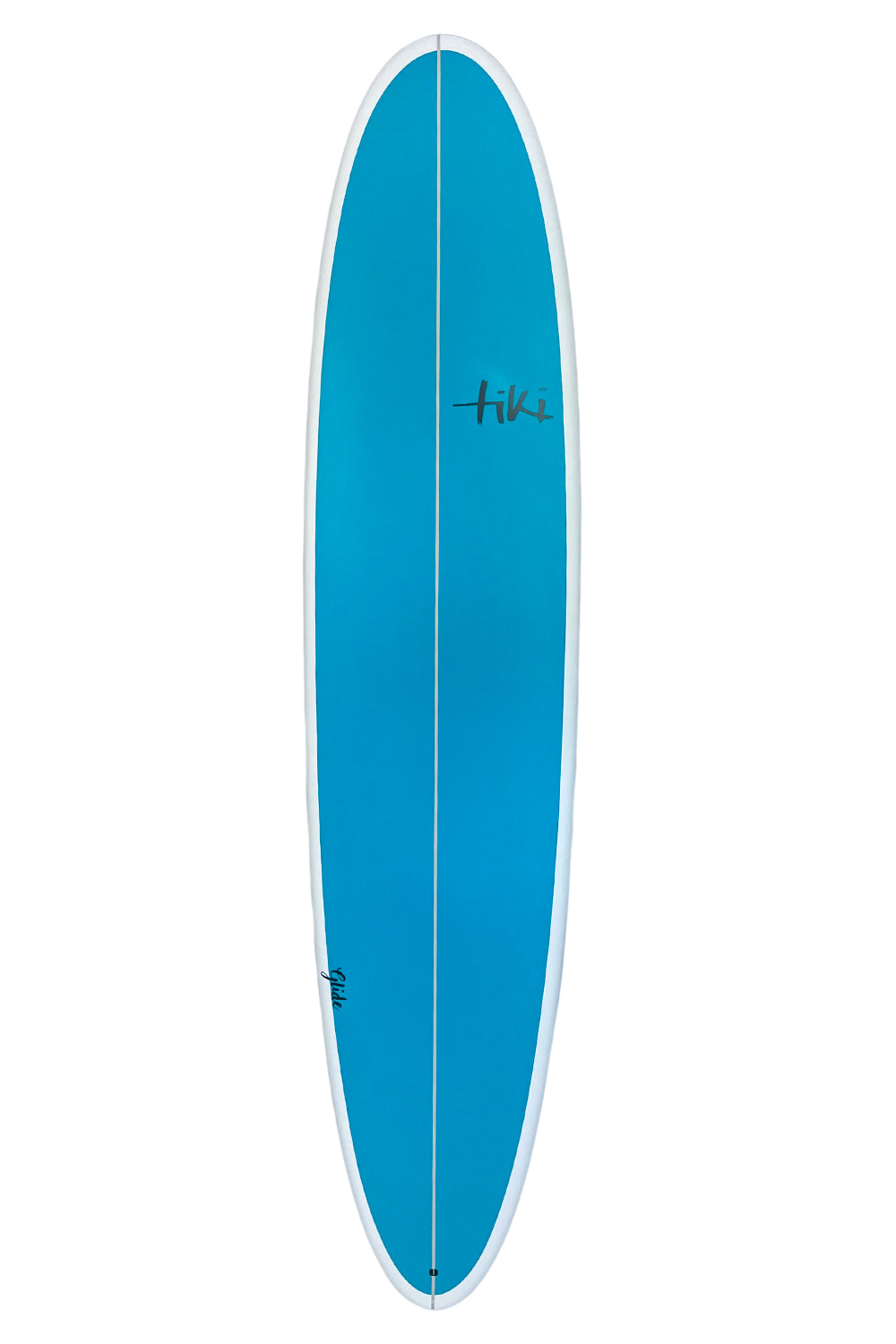
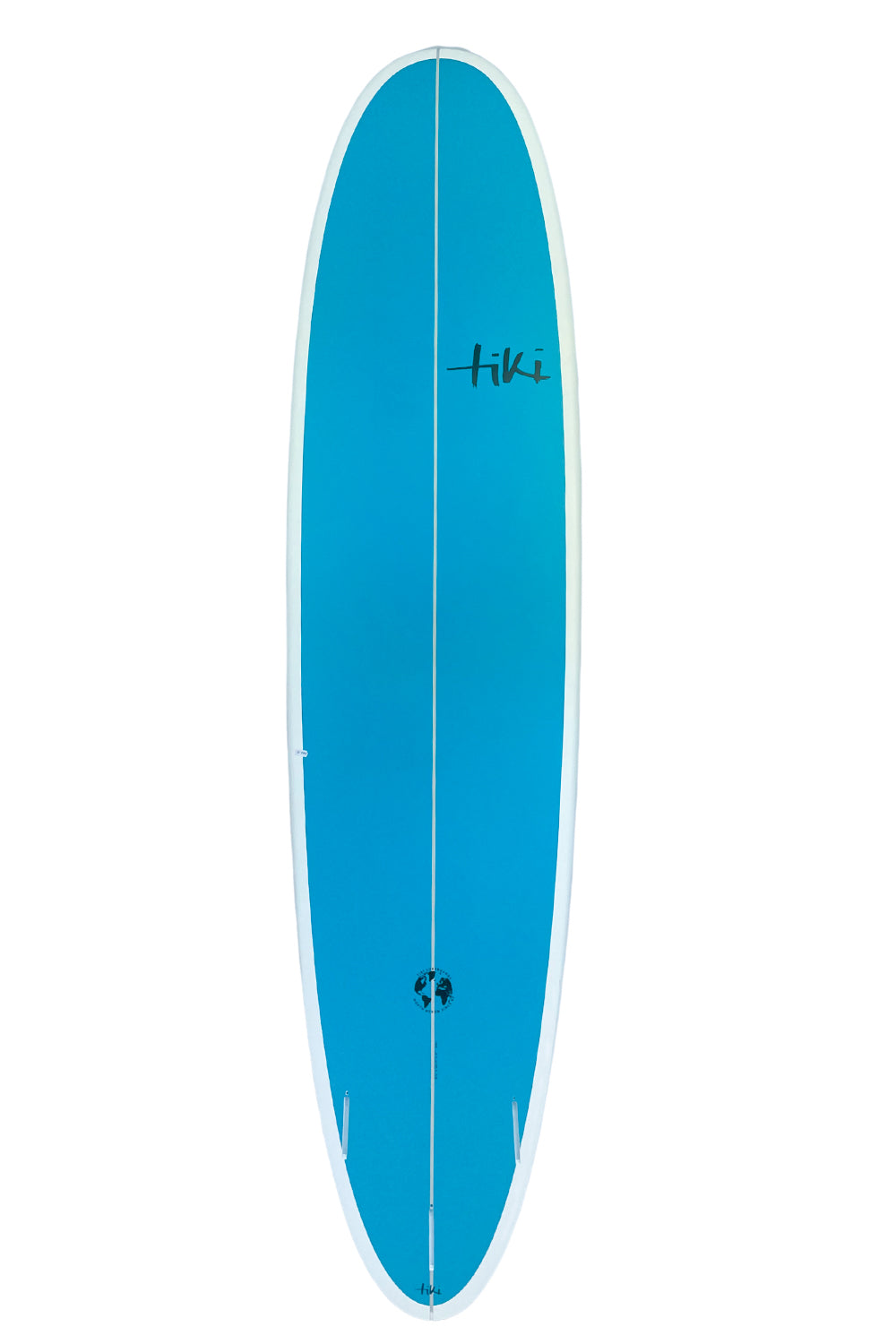
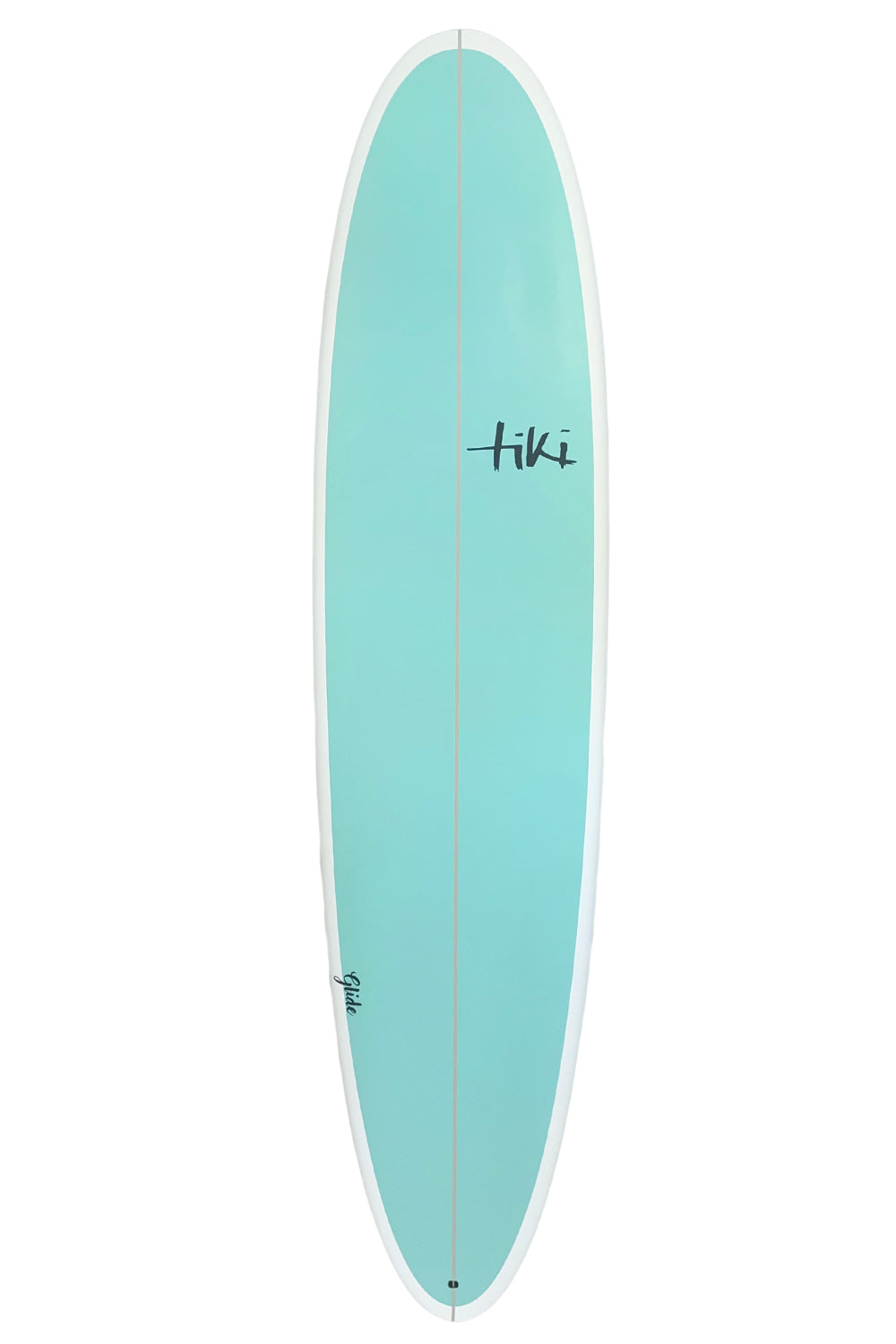

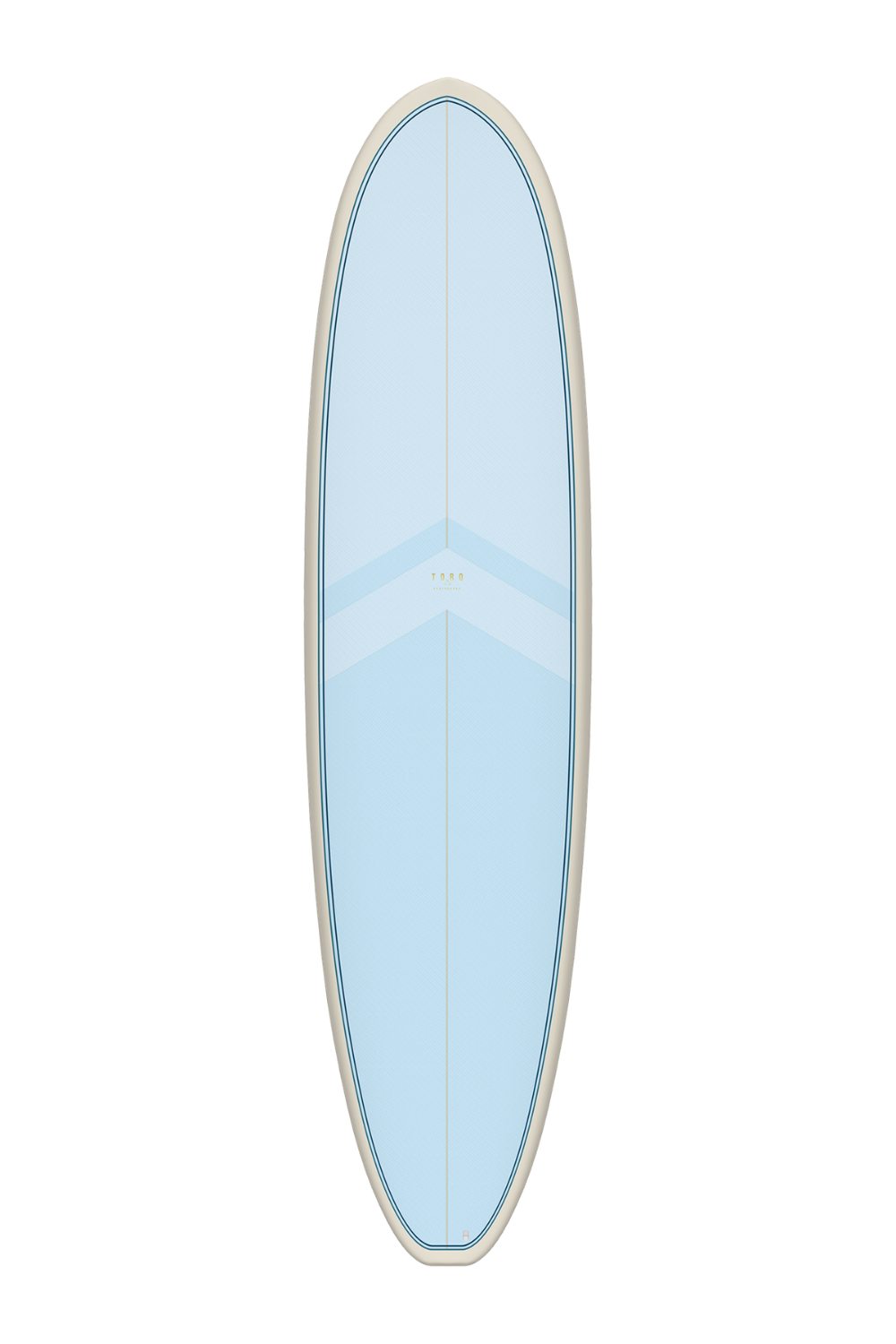
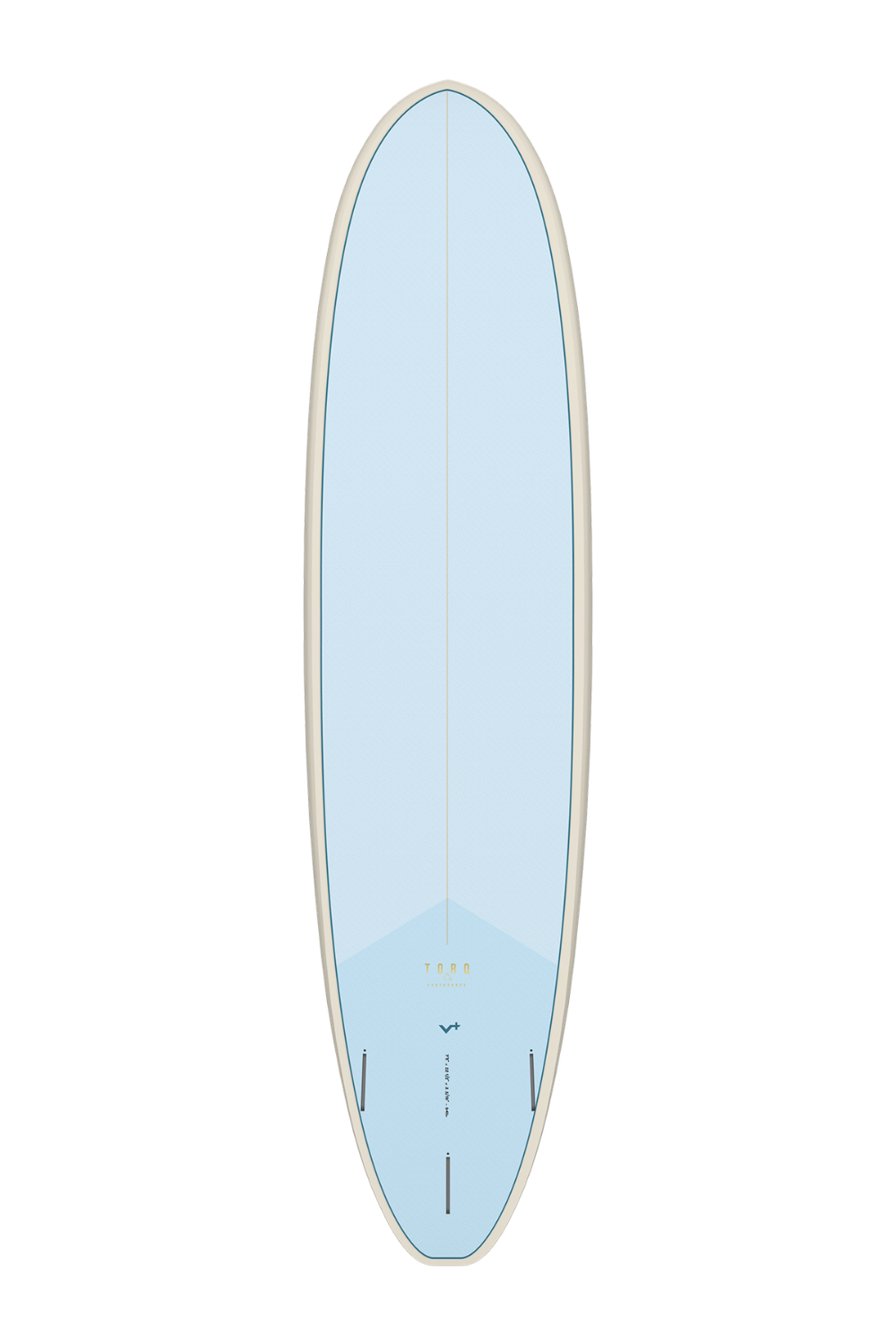
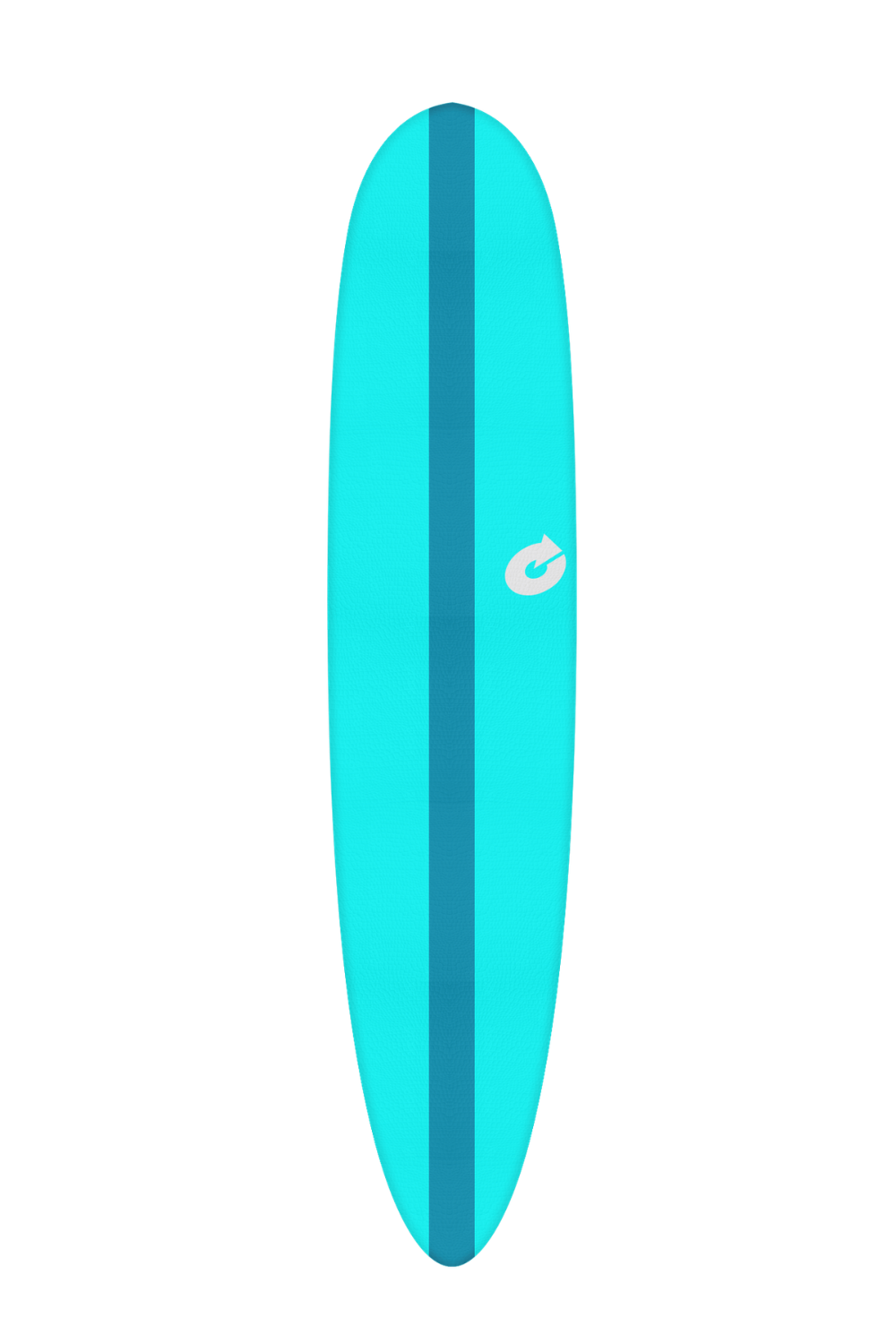
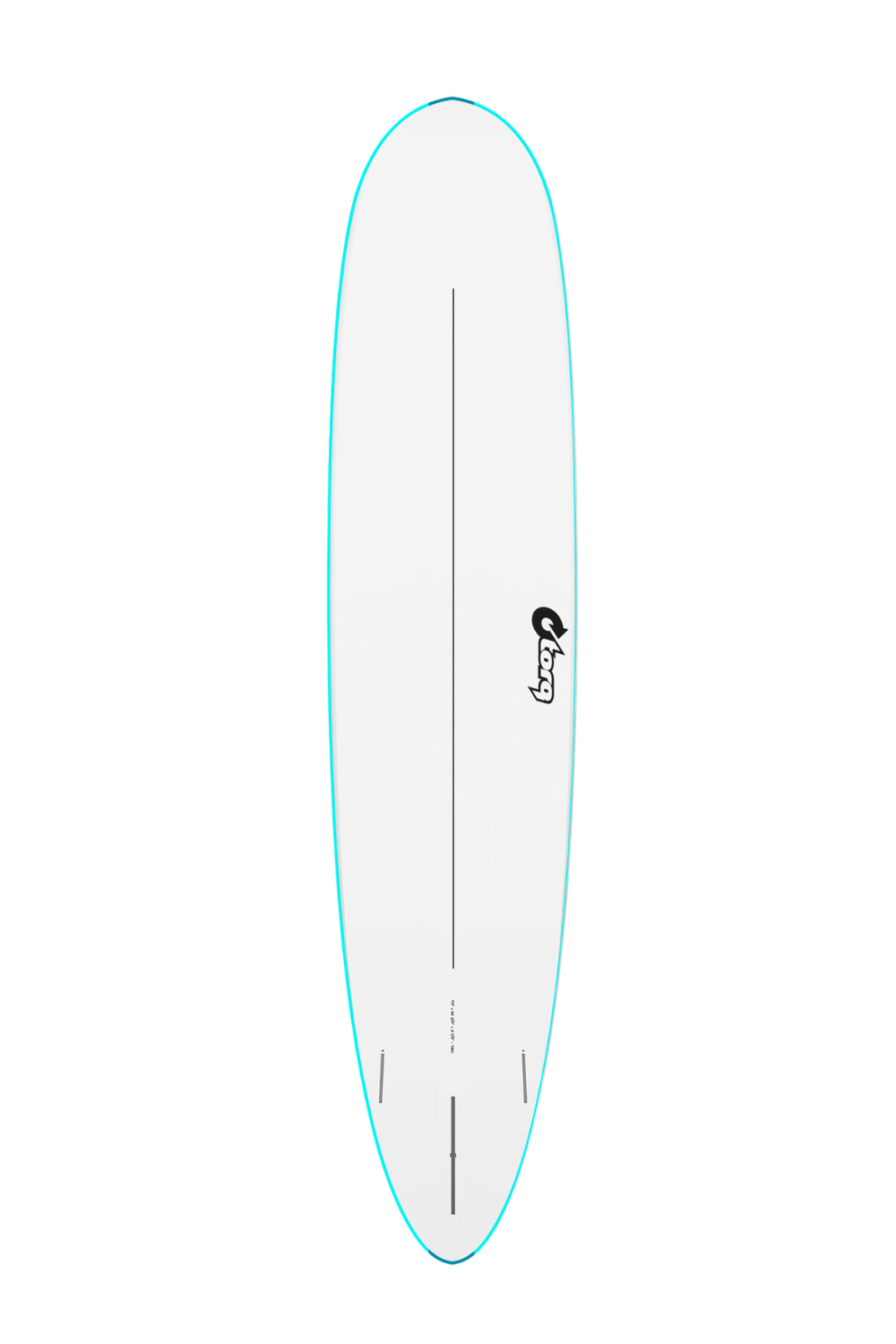
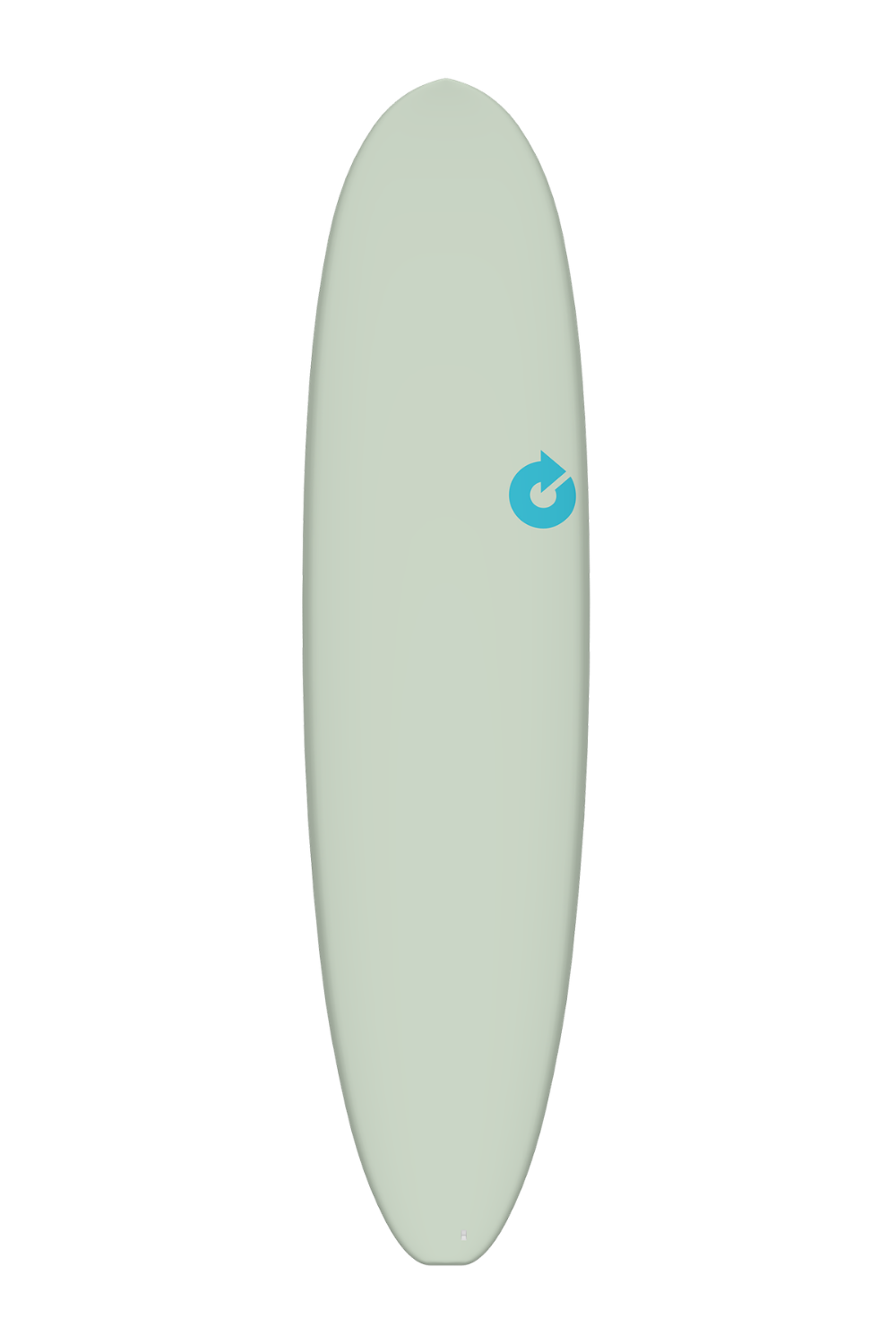
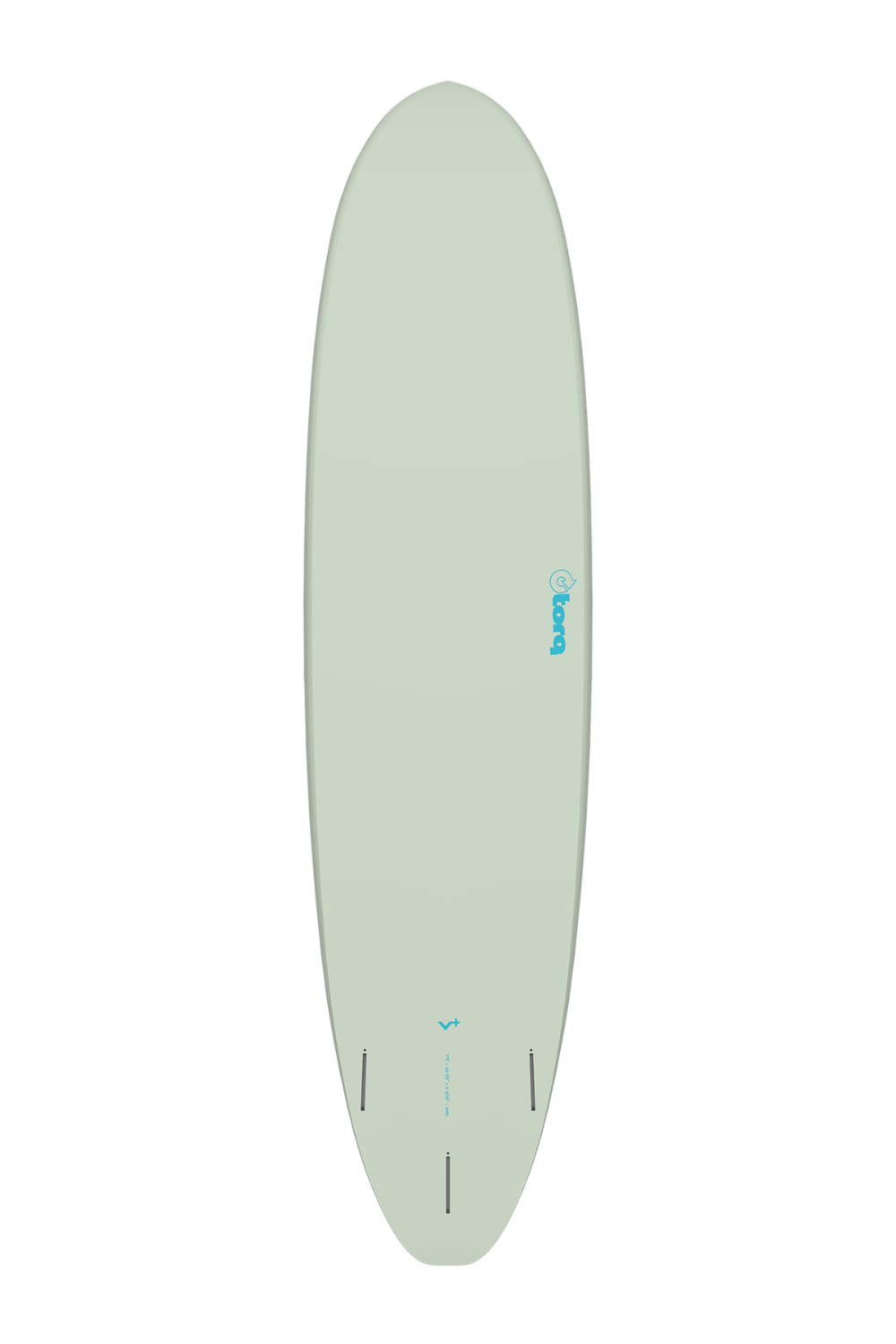
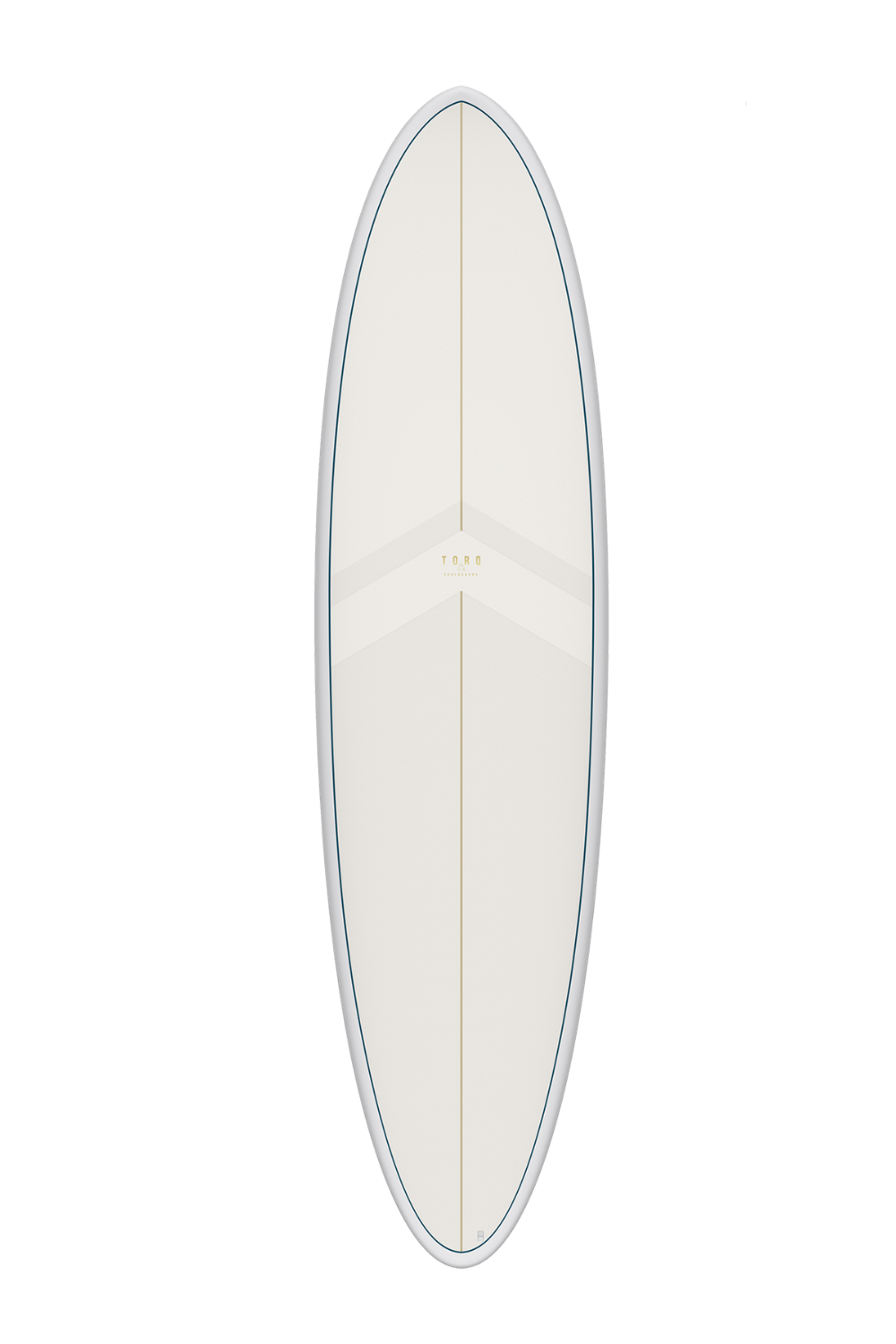
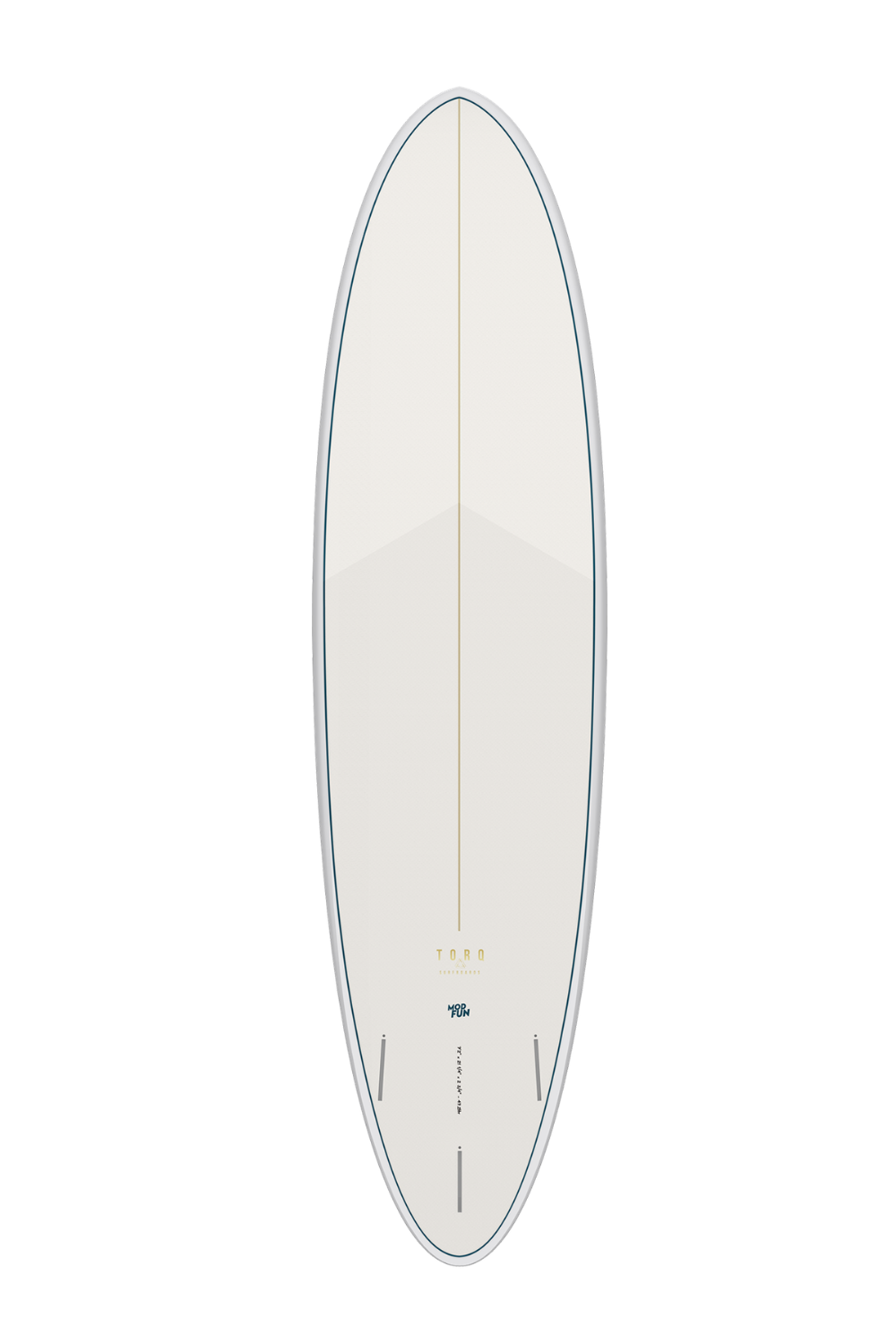
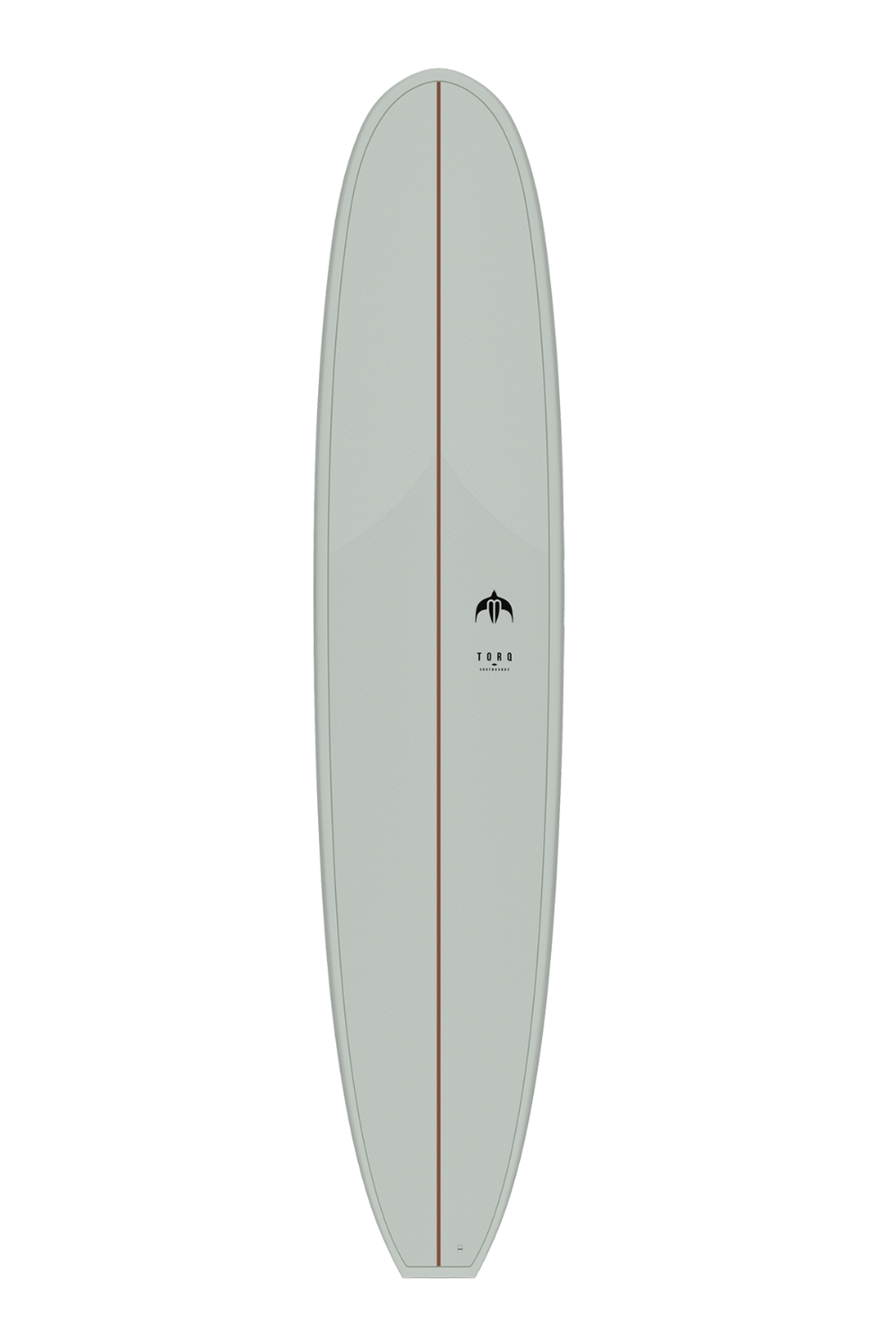
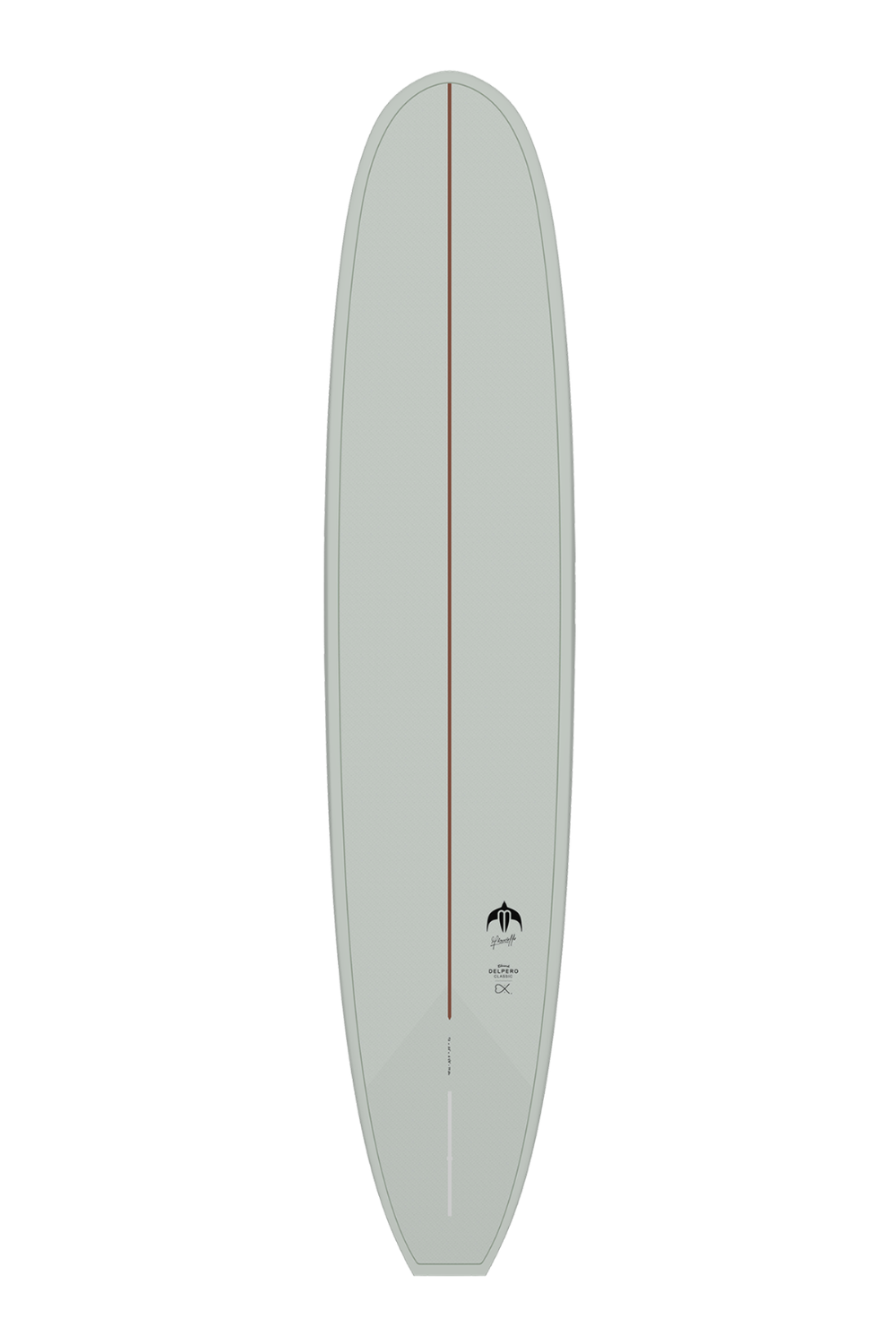
If you’re new to surfing, start with a larger, more stable board like a softboard or minimal / longboard (typically 7’0”– 9’0”). These boards have more volume, making them easier to paddle, catch waves and stand up on. When learning to surf In UK conditions, extra volume helps massively, so avoid going too small too soon.
Beginner (never surfed / learning to stand): Softboards or minimals for maximum stability
Beginner progressing (standing regularly): Minimals or longboards to build confidence and control
Intermediate (starting turns): Shorter Minimals / Midlengths and fish surfboards
Advanced (confident turning and speed): Performance shortboards and refined fish shapes.
If you’re unsure where you sit, booking a demo or speaking to our team is the easiest way to get it right first time.
UK waves are often softer and less powerful, so boards with more volume, width and length tend to perform best. Fish surfboards, minimals and longboards are great for generating speed and catching more waves, while performance shortboards work best in cleaner, more powerful conditions.
Softboards are ideal for beginners thanks to their stability, durability and safety. Hardboards (epoxy or PU construction) offer more speed, control and responsiveness, making them better suited to progressing and experienced surfers.
The right size depends on your height, weight, fitness and experience level. Beginners should ride longer boards with more volume for stability and easier wave catching, while more experienced surfers can ride shorter boards for performance. As a general rule, starting bigger will help you progress faster.
Volume (measured in litres) determines how much a board floats. Higher volume boards are more stable and easier to paddle, while lower volume boards offer more control and responsiveness but require better technique.
As a rough guide:
The right volume depends on your weight, ability and the conditions you’re surfing in. In the UK, slightly higher volume boards often perform better in weaker waves.
Softboards (foam surfboards) are designed for beginners and early progression. They offer high volume, excellent stability and a soft deck for added safety, making them the easiest boards to learn on and build confidence in the water.
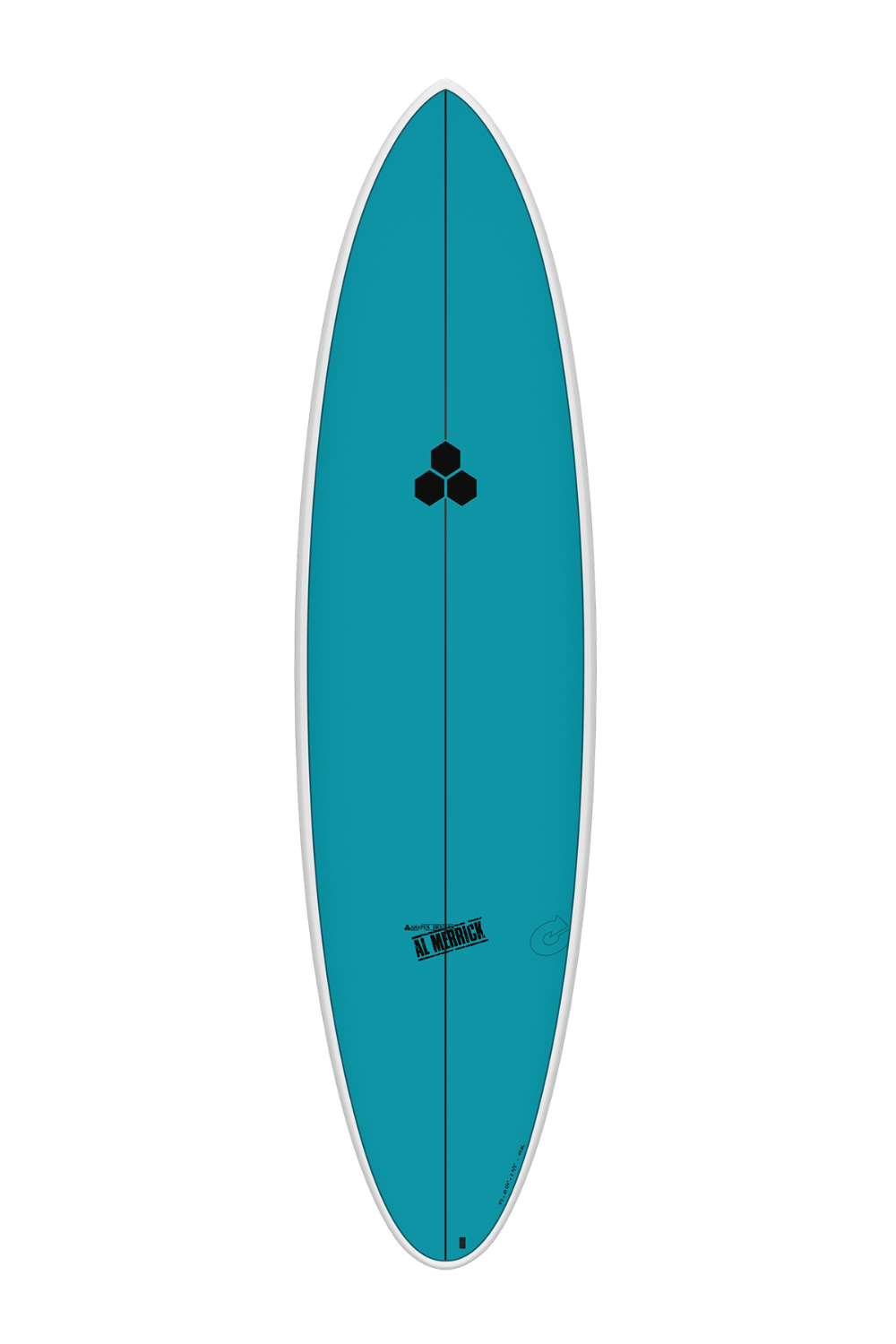
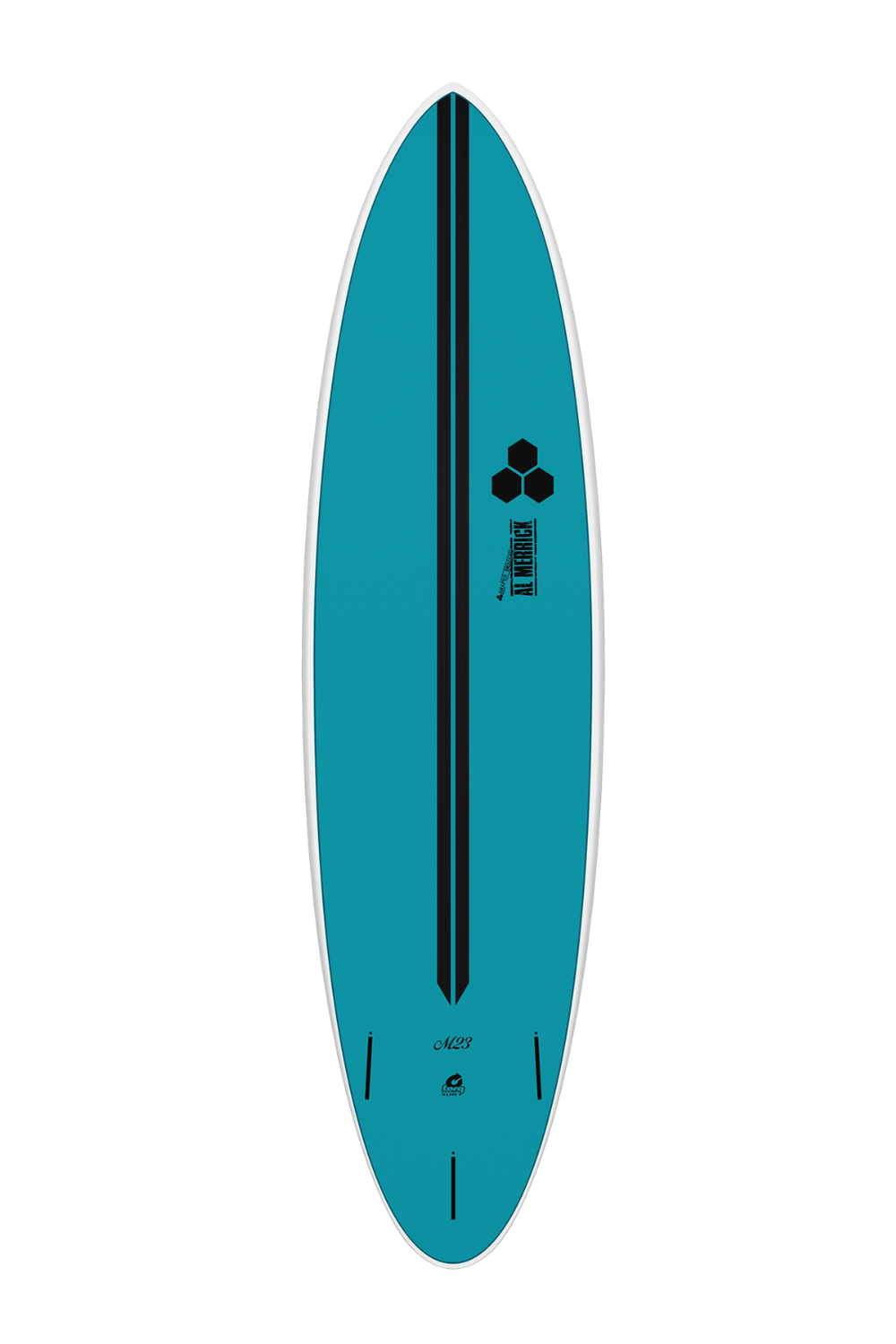
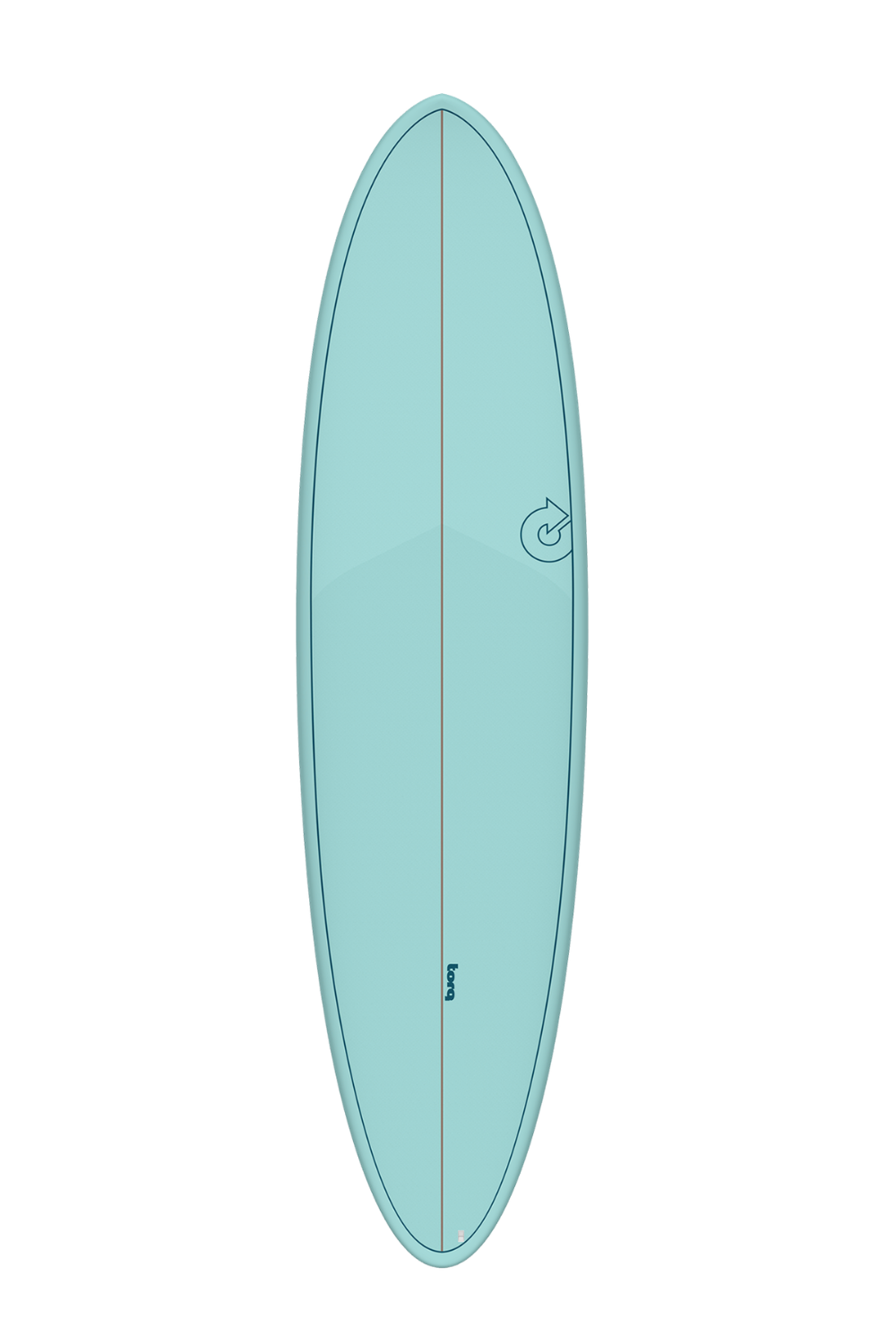
A minimal (or funboard) is a mid-length board that balances stability and manoeuvrability. It’s ideal for beginners progressing beyond a softboard or surfers looking for an easy, all-round board for a wide range of conditions.
A midlength is a more refined, performance-focused board that sits between a longboard and a shortboard. While similar in length to a minimal, midlengths are typically narrower, more responsive and designed for smoother, more controlled surfing.
They’re a popular choice for:
Midlengths offer a balance of paddle power, speed and manoeuvrability, making them one of the most versatile boards in a quiver.
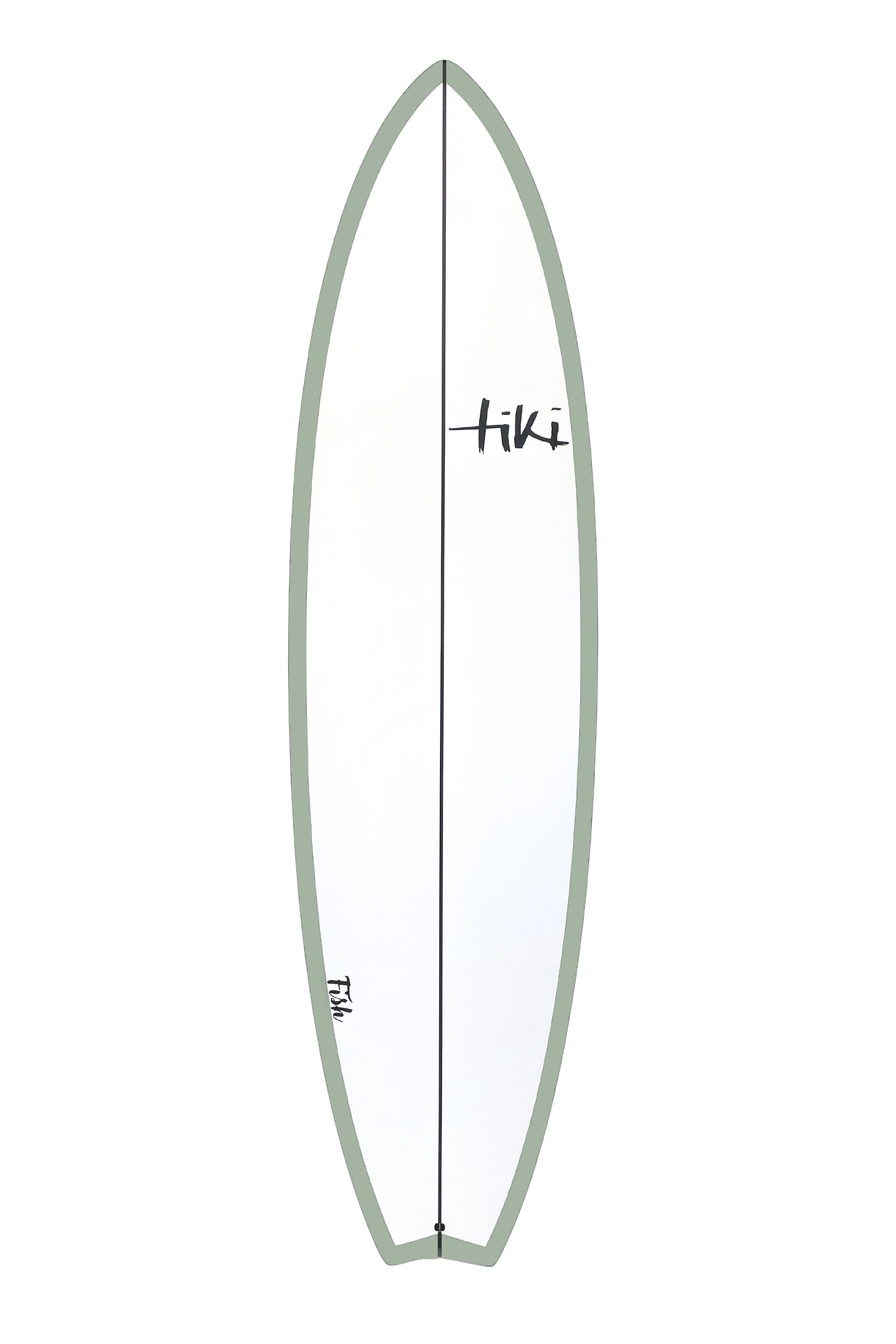
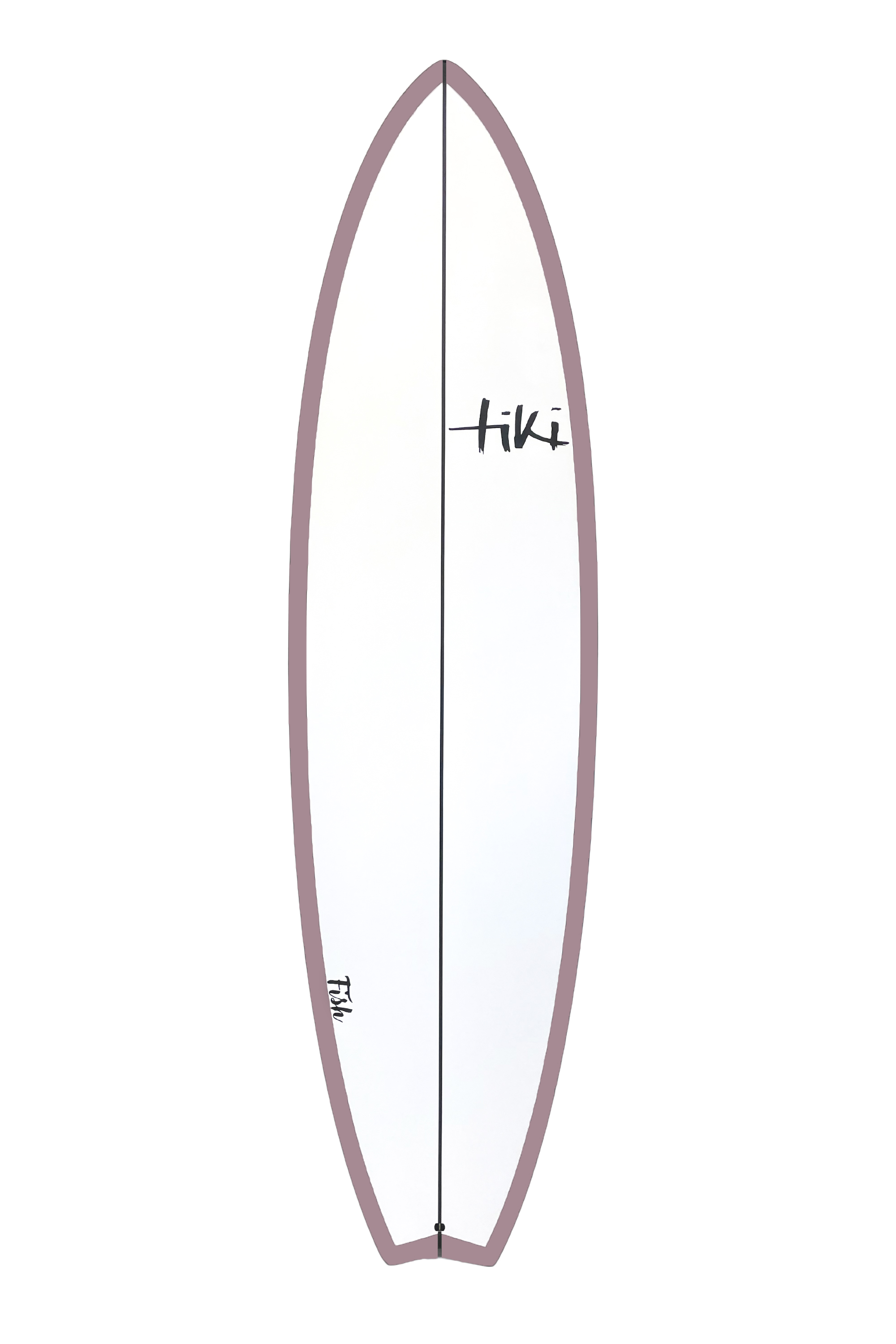
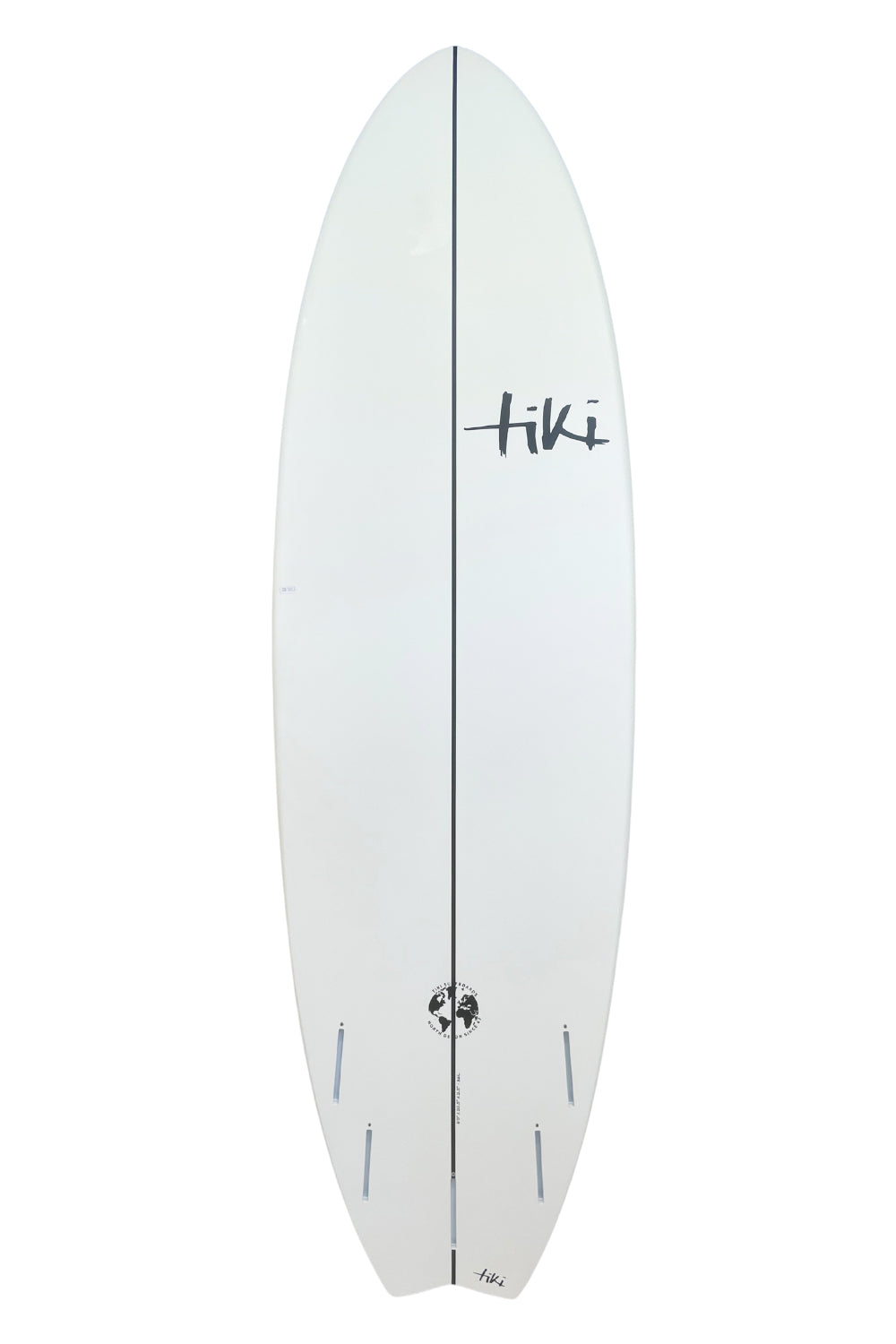
Fish surfboards are shorter, wider boards designed for speed and fun, especially in smaller or weaker waves. A key feature is the swallow tail, which creates two pivot points and helps the board maintain speed while still allowing smooth, responsive turns.
The wider outline and increased surface area also help with paddling and wave-catching, making it easier to get into waves early and generate speed without needing steep or powerful conditions.
Fish surfboards are a popular choice for UK surfing, offering a fast, playful feel when the waves are soft or less consistent.
Grovellers are short, high-volume boards designed specifically for small, weak waves. They make it easier to generate speed and keep surfing when conditions aren’t perfect, making them a great addition to any UK quiver.
Performance shortboards are designed for speed, sharp turns and high-performance surfing. They have lower volume and require good technique, making them best suited to experienced surfers and better wave conditions.
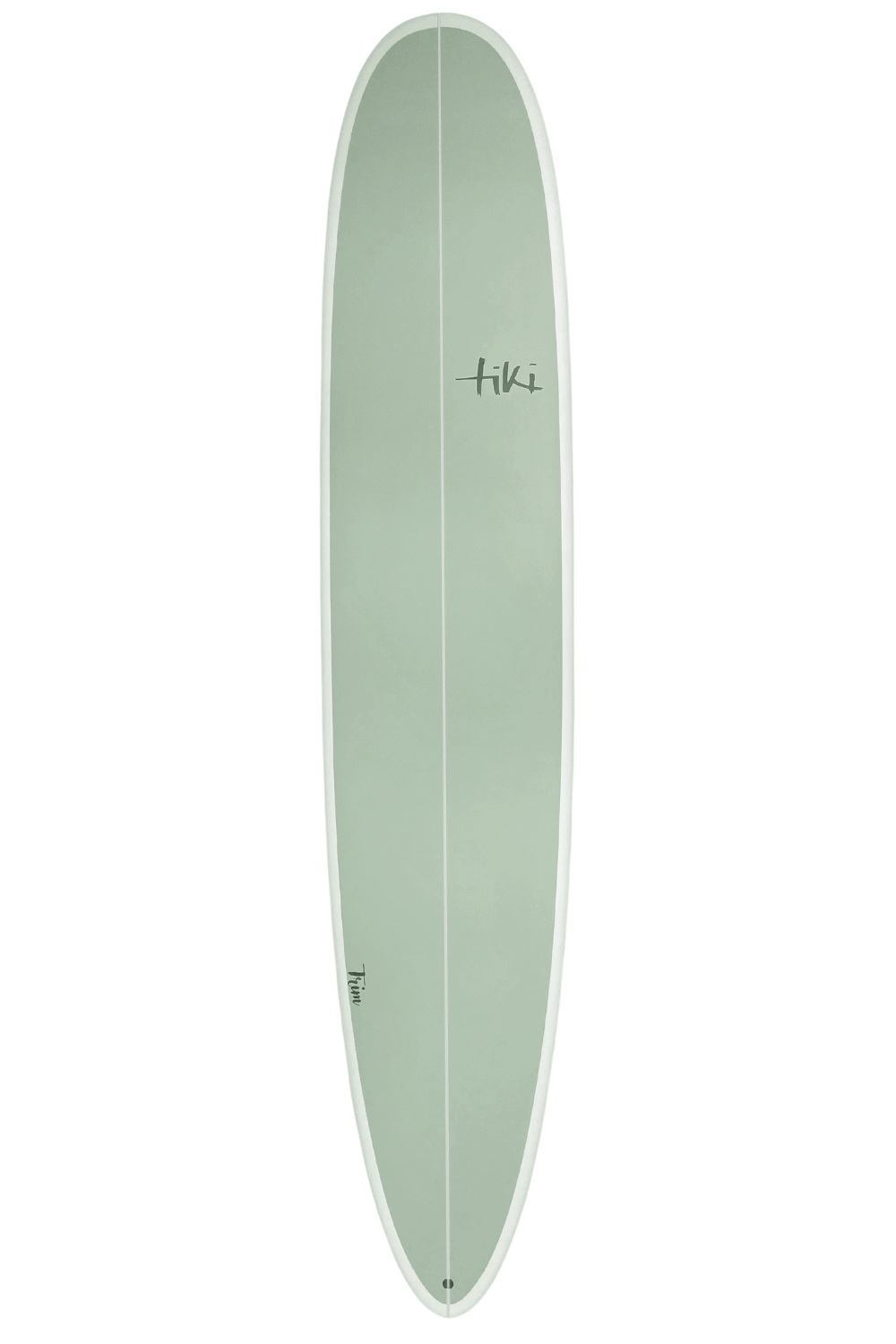
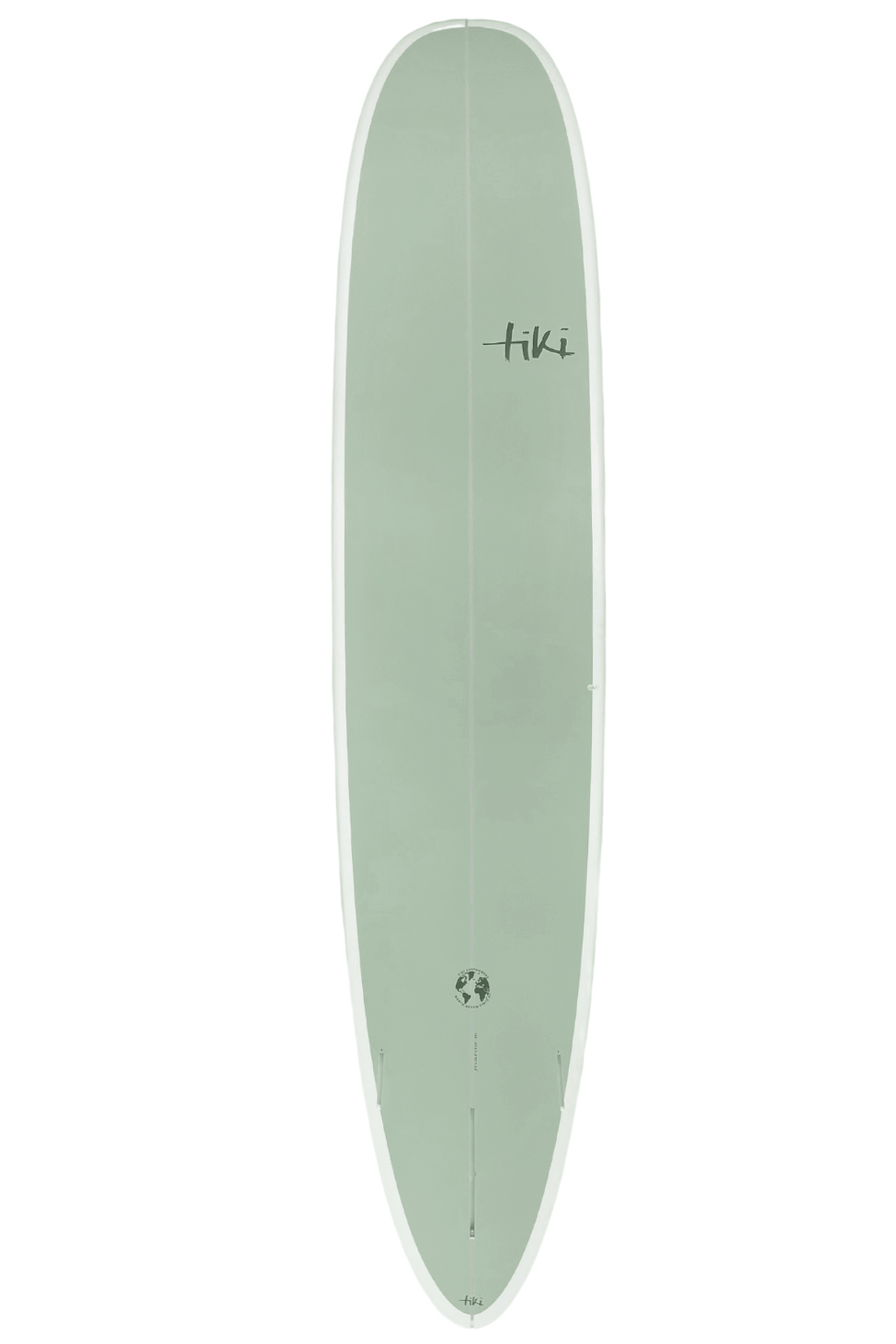
Longboards are typically 8ft+ and offer maximum stability, glide and wave-catching ability. They’re ideal for beginners and also for experienced surfers looking for a smooth, classic style.
Yes — If you live next to, or are visiting one of our stores you can book a Tiki Surfboard Demo and test boards in the water before committing. It’s the best way to find the right size and shape for your surfing. Our boards are also available to test at the wave. Please ask at reception when you arrive.
Many beginner and softboards come with fins included. Performance boards often require fins to be purchased separately so you can customise your setup.
At minimum you’ll need a leash to keep your board attached to you. Other useful surfboard accessories include fins, surf wax, a board bag for protection, and roof racks for transport.
With proper care, a surfboard can last many years. Epoxy boards tend to be more durable, while PU boards offer great performance but may require more maintenance over time.
Rinse your board with fresh water after use, keep it out of direct sunlight and store it in a board bag where possible. Fix any dings quickly to prevent water damage and maintain performance.