Sunski

Sunski

Sunski

Filters

Filters

£
to
£
12 products
Sort by
Sort by
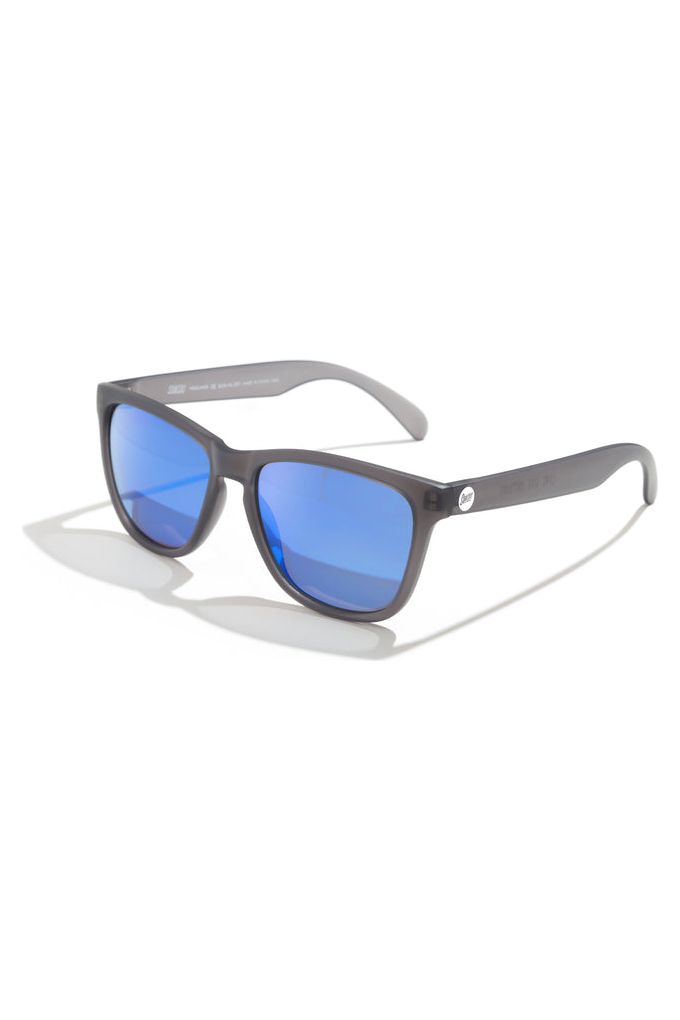
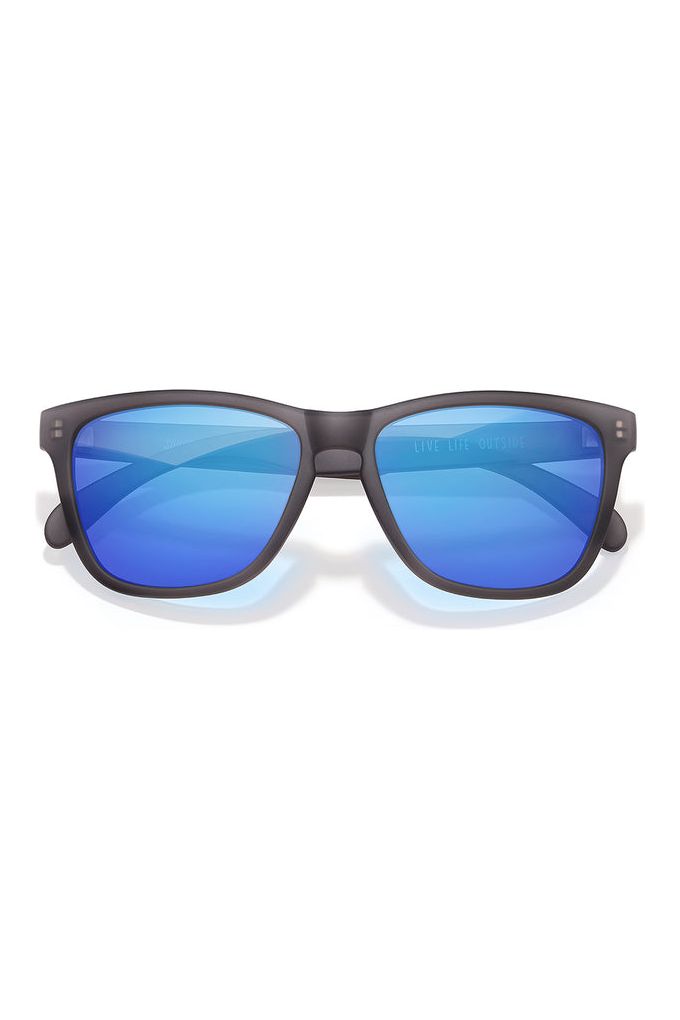
A pair of medium-sized, grey blue wayfarer style sunglasses with blue polarized lenses. Sunski Headland Sunglasses Grey Blue
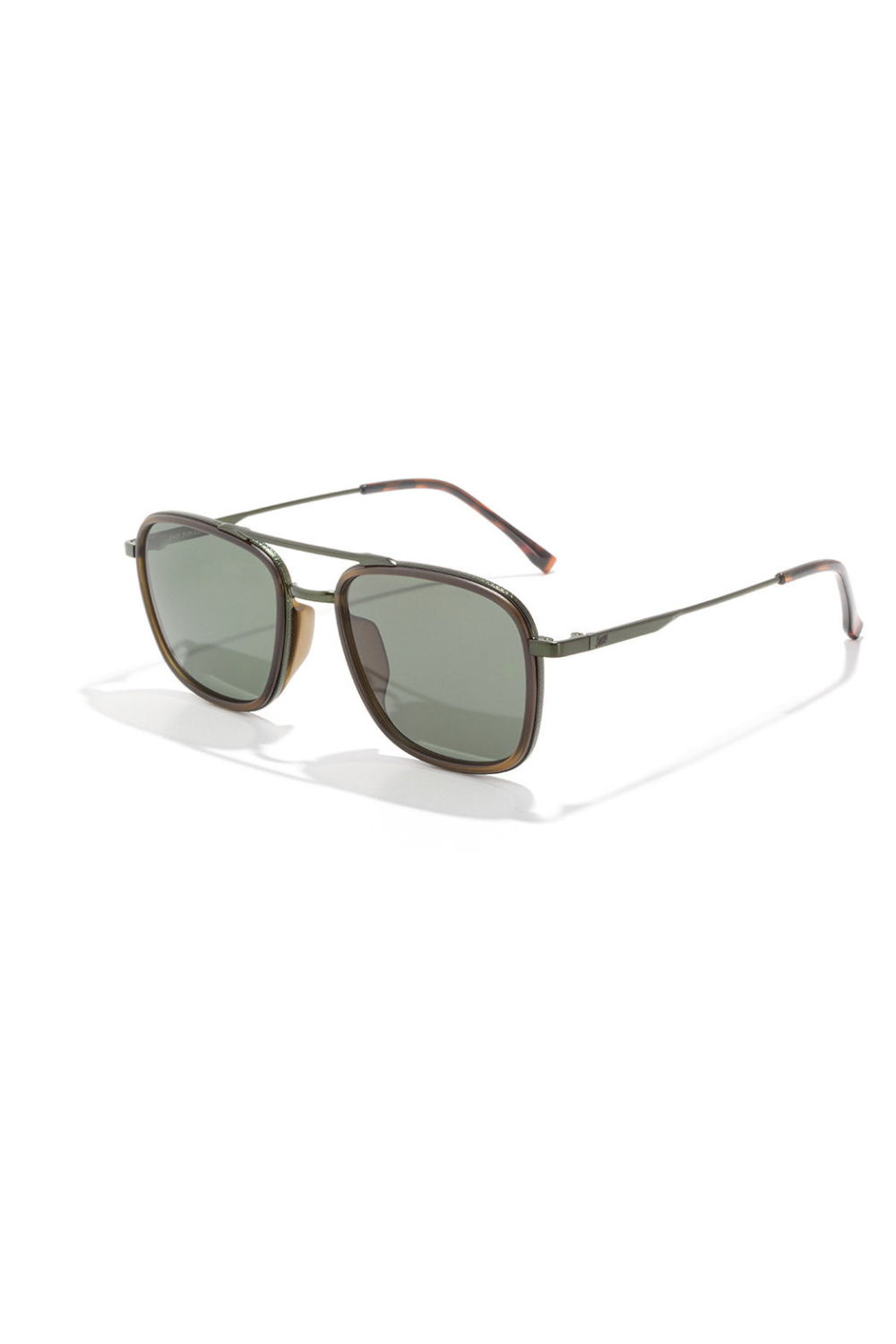
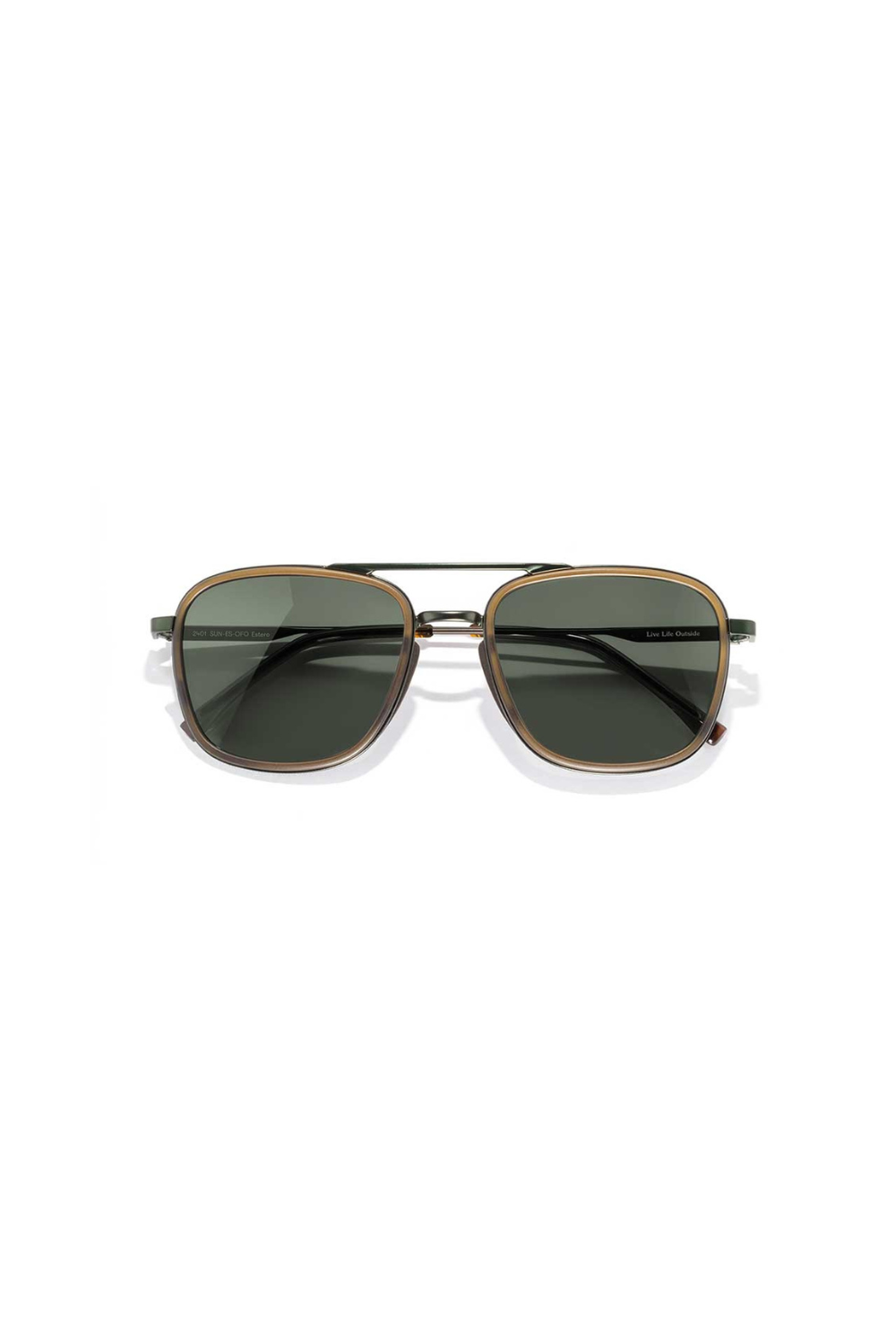
Sunglasses with brown frame and green lenses on a white background Sunski Estero Sunglasses Olive Forest
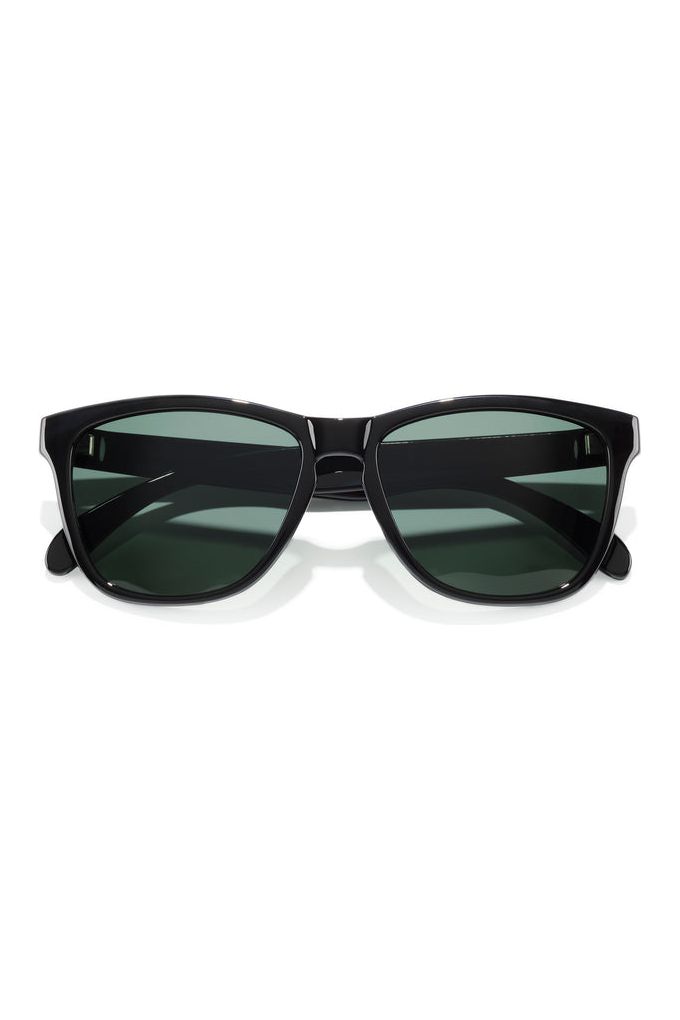
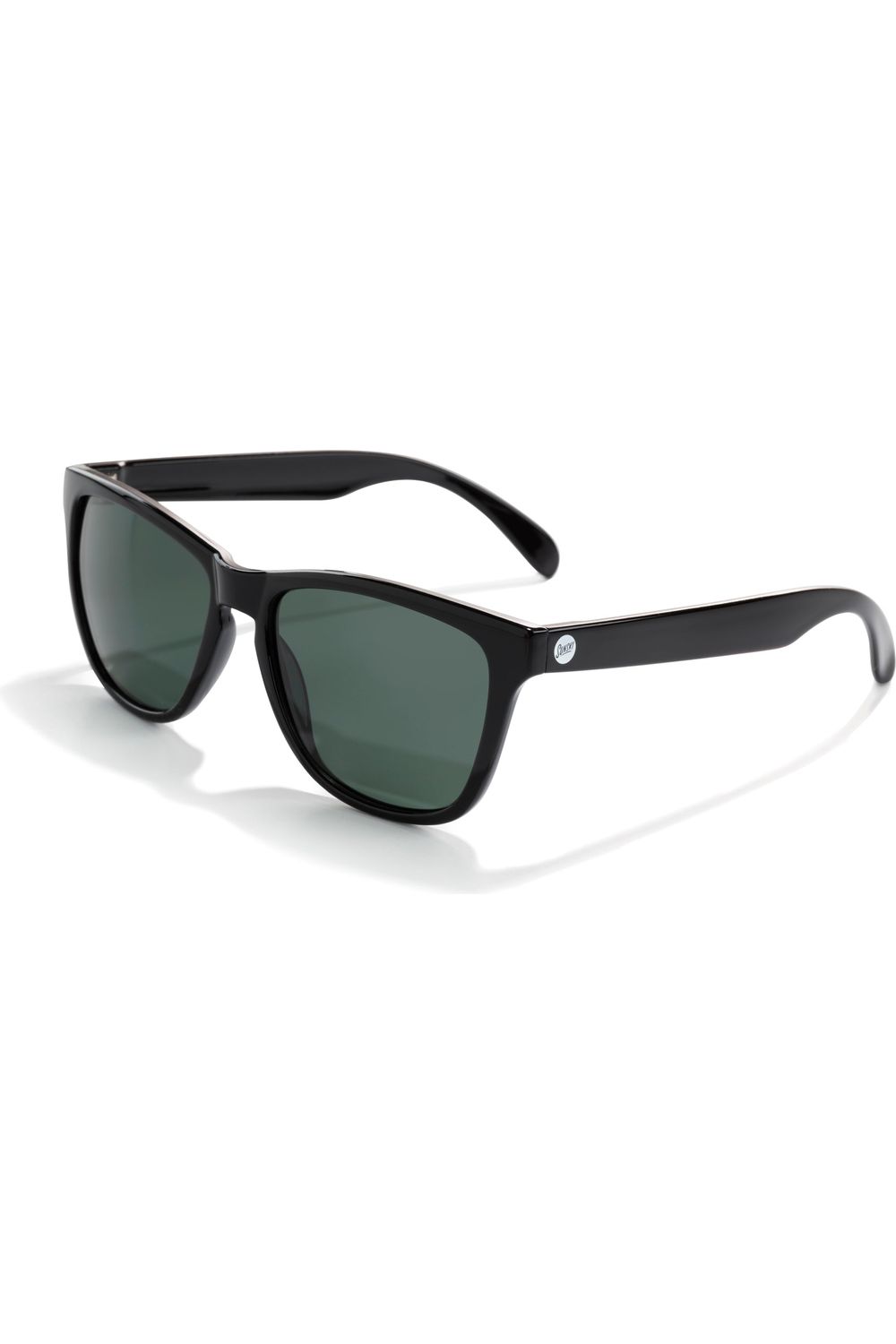
Sunski Headland Sunglasses Black Forest Sunski Headland Sunglasses Black Forest
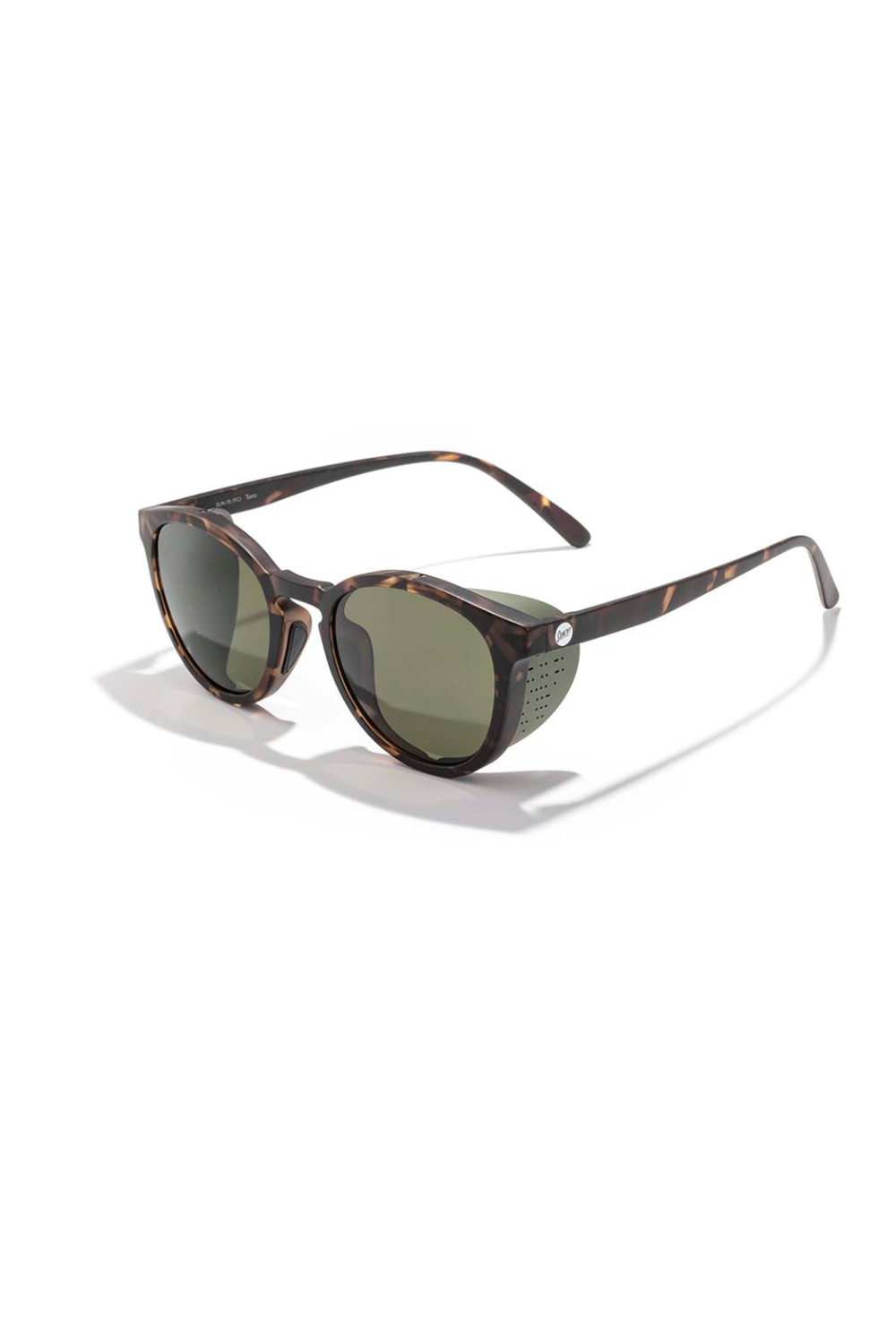
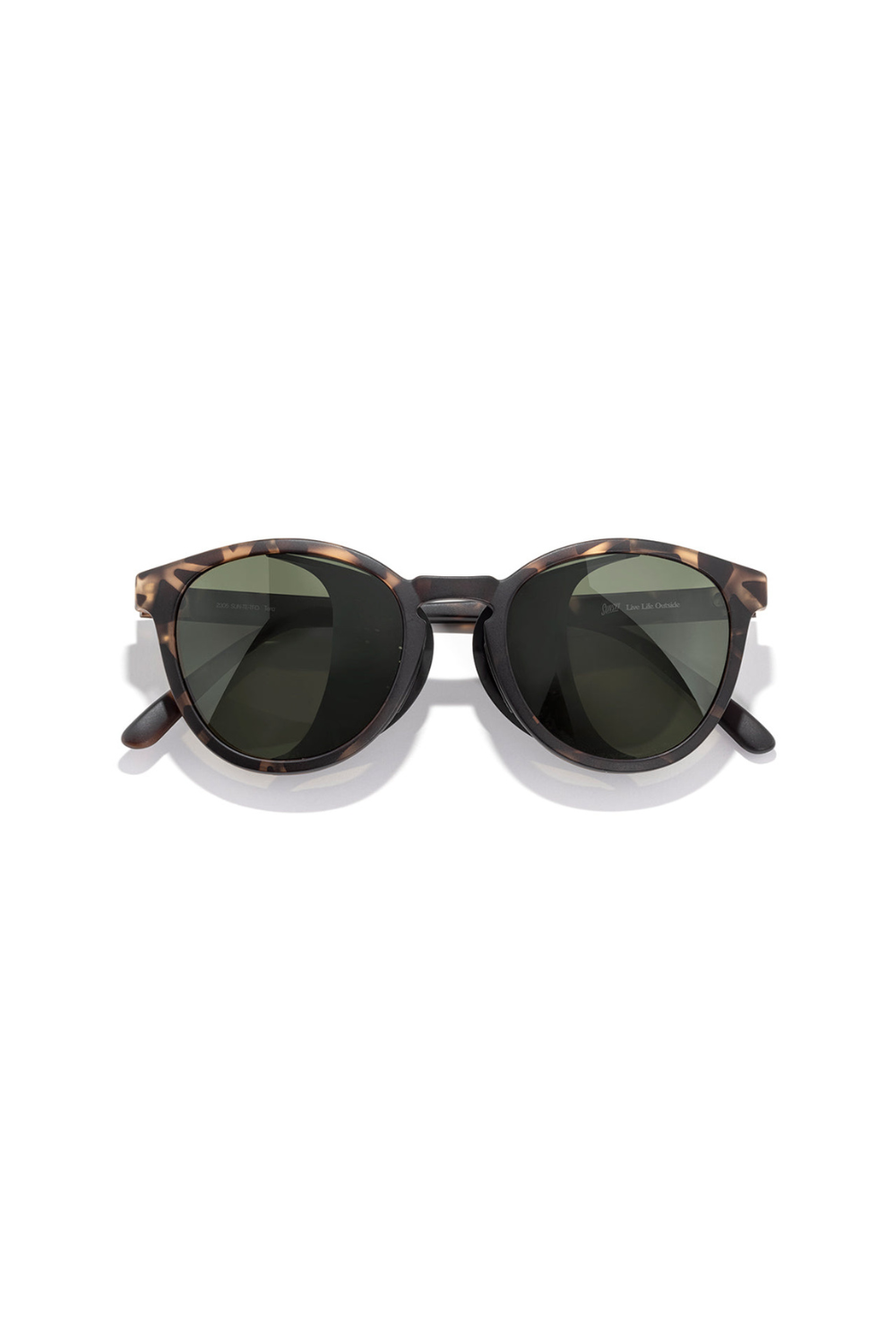
Sunski Tera Sunglasses Tortoise Forest Sunski Tera Sunglasses Tortoise Forest
Sunglasses with brown lenses and olive frame on a white background Sunski Shoreline Sunglasses Olive Amber
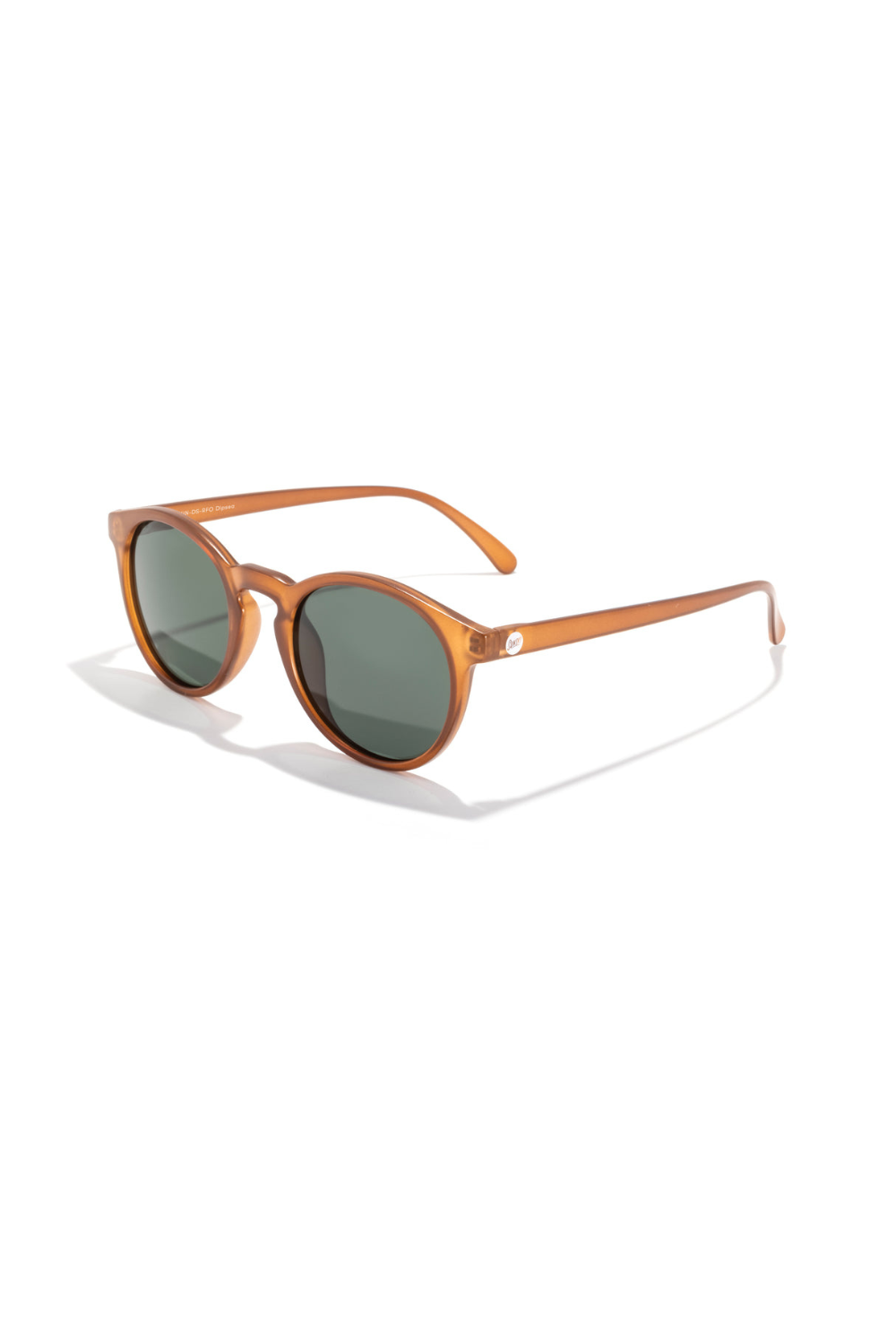
Sunglasses with brown frame and dark lenses on a white background Sunski Dipsea Sunglasses Rust Forest
Sunski Dipsea Sunglasses Dusk Bronze Sunski Dipsea Sunglasses Dusk Bronze
Sunglasses with orange frame and reflective lenses on a white background Sunski Ferrata Sunglasses Spruce Silver
Sunski Estero Sunglasses Horizon Slate Sunski Estero Sunglasses Horizon Slate
Sunski Avila Sunglasses Tortoise Amber Sunski Avila Sunglasses Tortoise Amber
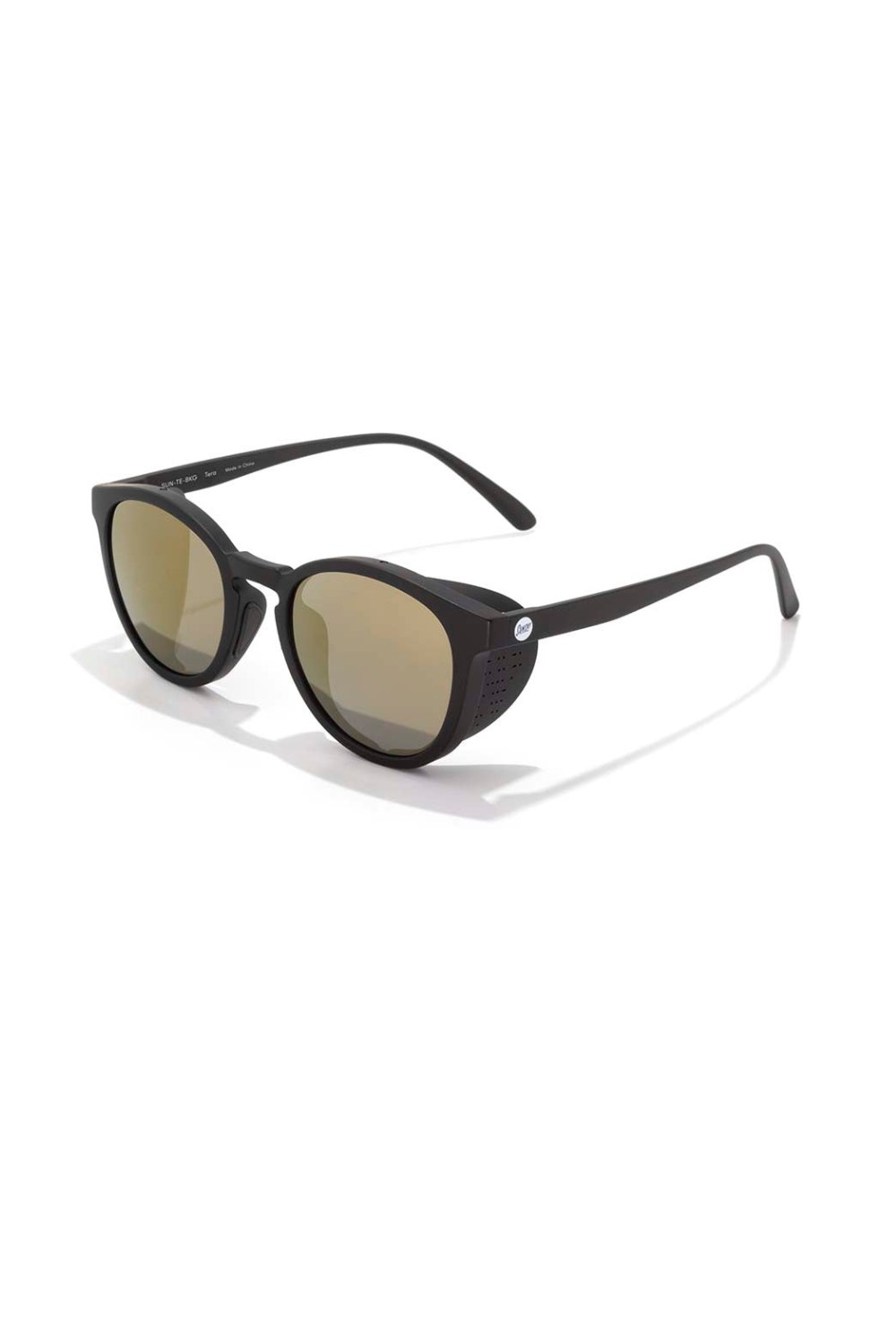
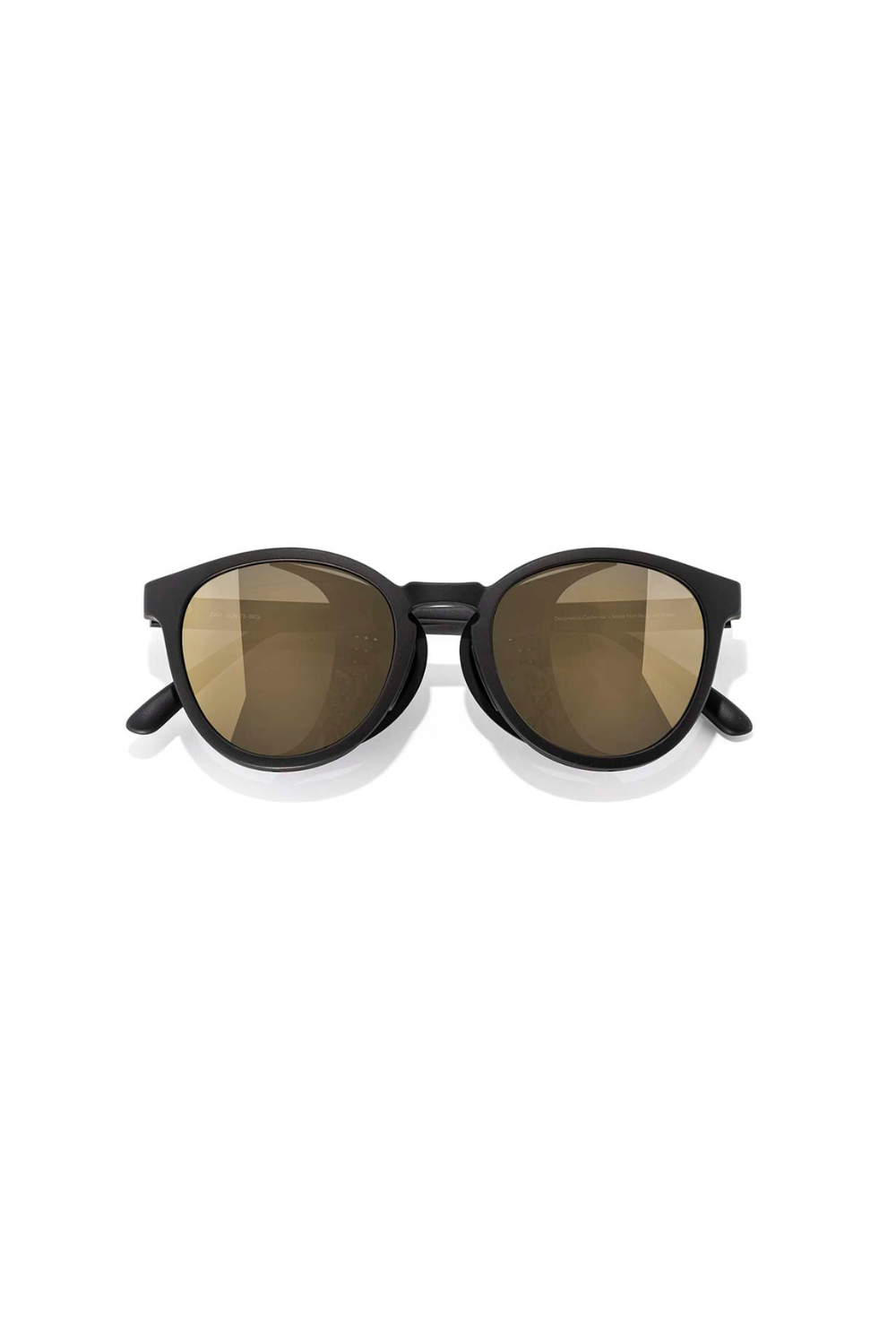
Black sunglasses with gold lenses on a white background Sunski Tera Sunglasses Black Gold
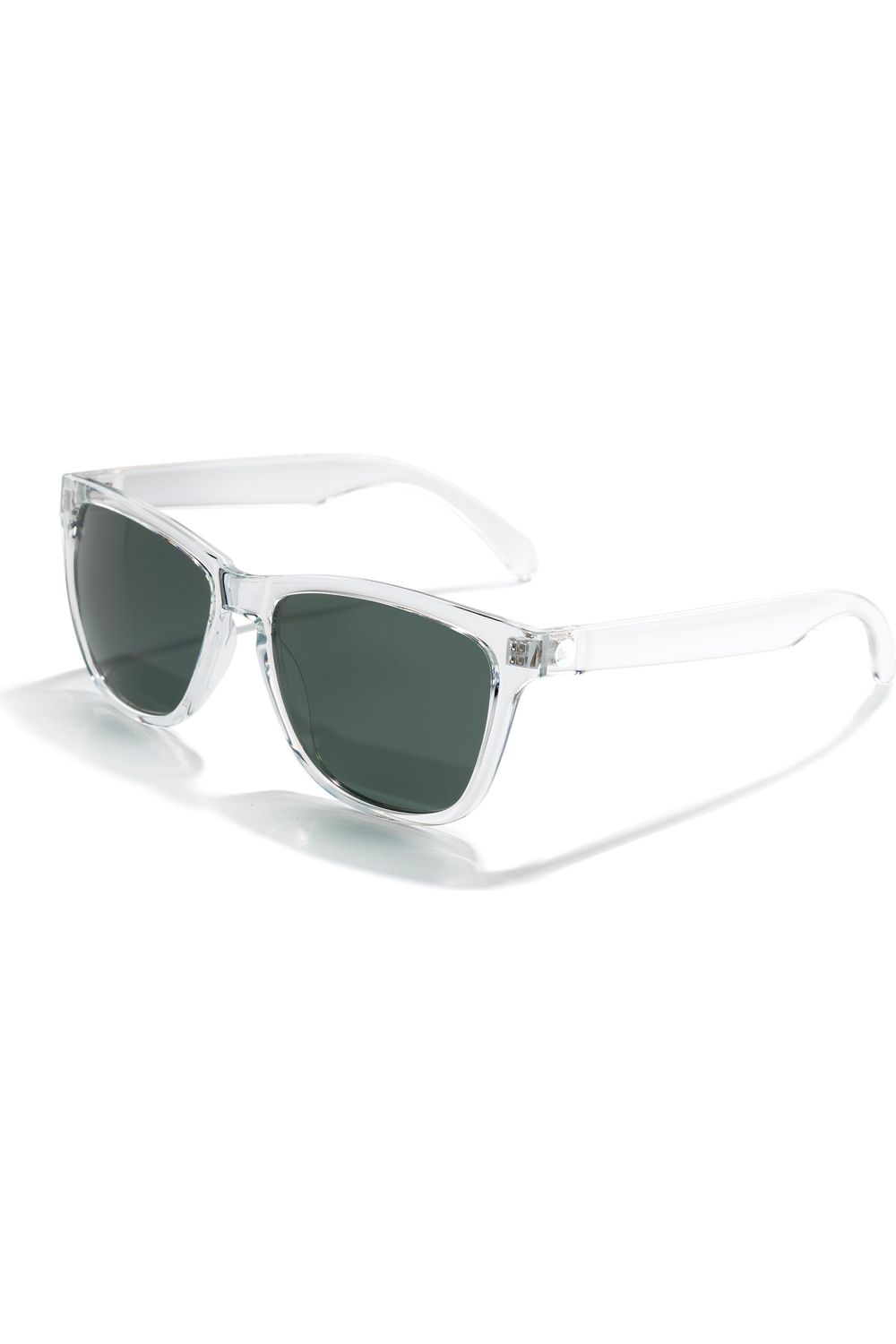
Sunski Headland Sunglasses Clear Forest Sunski Headland Sunglasses Clear Forest

Softboard FAQs

A softboard, also known as a foam surfboard or foamie, is a surfboard with a soft foam deck and a more forgiving construction than a traditional fibreglass board. Softboards are popular with beginners, surf schools and experienced surfers looking for a fun, easy-to-paddle board.

Yes. Softboards are generally a great choice for beginners because they offer plenty of buoyancy, stability and paddle power. Their softer deck and fins also make them more forgiving while learning to catch waves, stand up and control the board.

Your softboard size should be based on your weight, fitness and surfing experience rather than height alone.

Most adult beginners should consider a board between 7'0" and 9'0". Longer and wider boards are generally easier to paddle and more stable. Children and lighter surfers may suit a smaller board, while larger adults should prioritise additional volume and width.

When choosing between two sizes, the larger option will usually make learning easier.

We stock softboards from leading brands including Softech and RYD, alongside selected Tiki models.

Softech offers everything from stable beginner foam boards to more responsive performance softboards. RYD produces a wide selection of beginner-friendly, family and performance shapes for children, adults and experienced surfers.

A soft-deck surfboard combines a soft, forgiving deck with construction and shaping inspired by a traditional hard surfboard. It may feature a stiffer core, more refined rails and higher-performance fins than a standard beginner foamie.

This makes soft-deck surfboards a good option for progressing surfers who want extra safety and comfort without losing too much performance.

A traditional softboard usually prioritises stability, buoyancy and ease of use. It will often have a wide outline, plenty of volume and flexible safety fins.

A soft-deck surfboard generally has a more refined shape and firmer internal construction, giving it improved speed, turning and control. Beginner softboards are best for learning, while performance soft-deck boards are better suited to improving or experienced surfers.

Look for enough volume to support your weight, a wide and stable outline, a strong internal core and a suitable fin system.

Beginners should prioritise stability and paddle power. Progressing surfers may prefer a narrower outline, thinner rails and a more responsive shape. Also check whether fins and a leash are included with the board.

Rinse your board and fins with fresh water after use and allow them to dry before storage. Keep the board away from direct sunlight and excessive heat.

Do not leave a softboard inside a hot car or lying deck-up in strong sunshine, as heat can cause the foam or slick bottom to bubble or separate. Store it somewhere cool and dry, preferably inside a suitable surfboard bag.

Small cuts and minor damage can often be repaired, but the board must be completely dry first. Only use repair products that are suitable for the type of foam used in your board.

Any repair should be fully cured and watertight before the board is returned to the sea. Larger damage, loose fin boxes or signs of water inside the board should be assessed by a surfboard repair specialist.