Cart
Your cart is empty

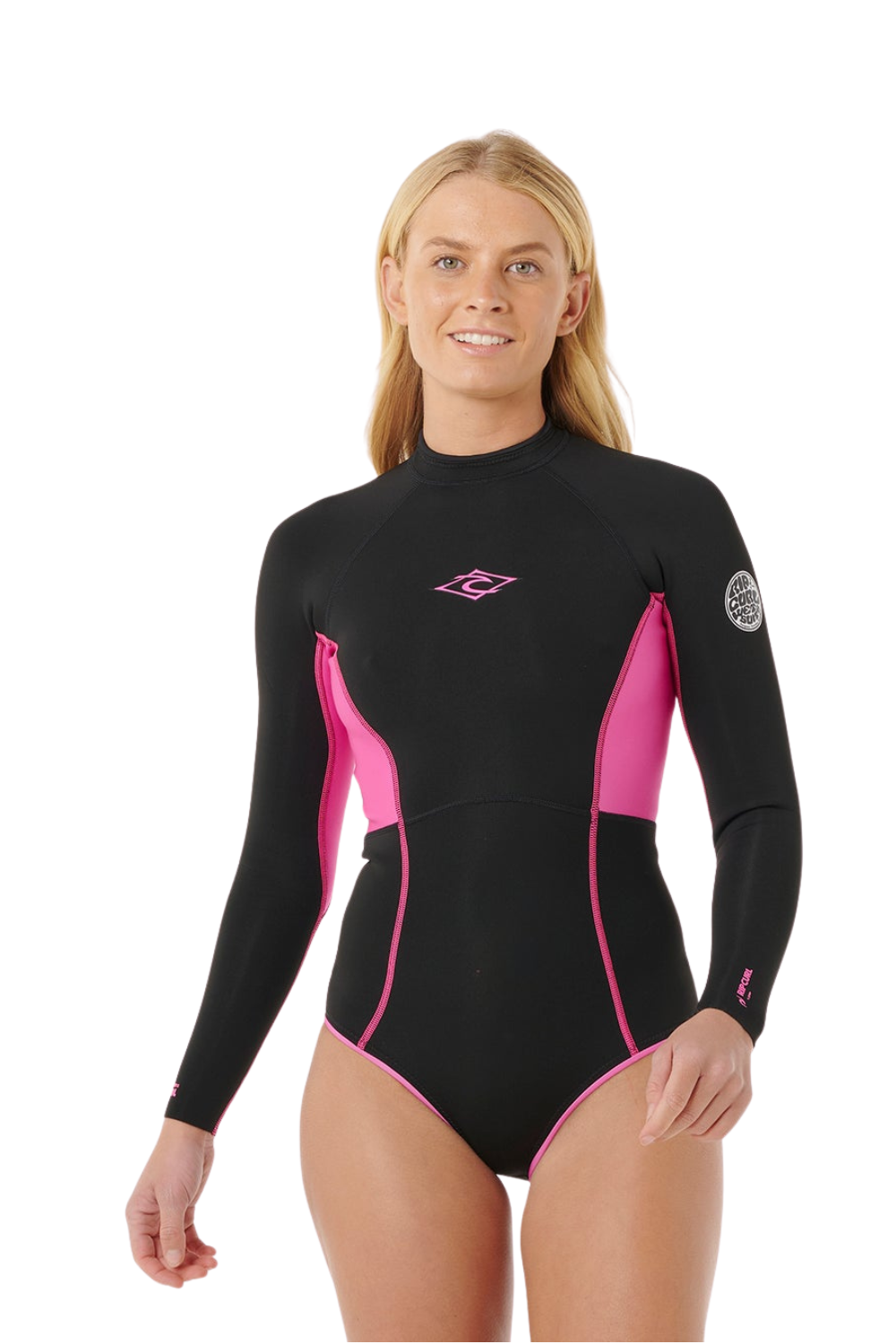
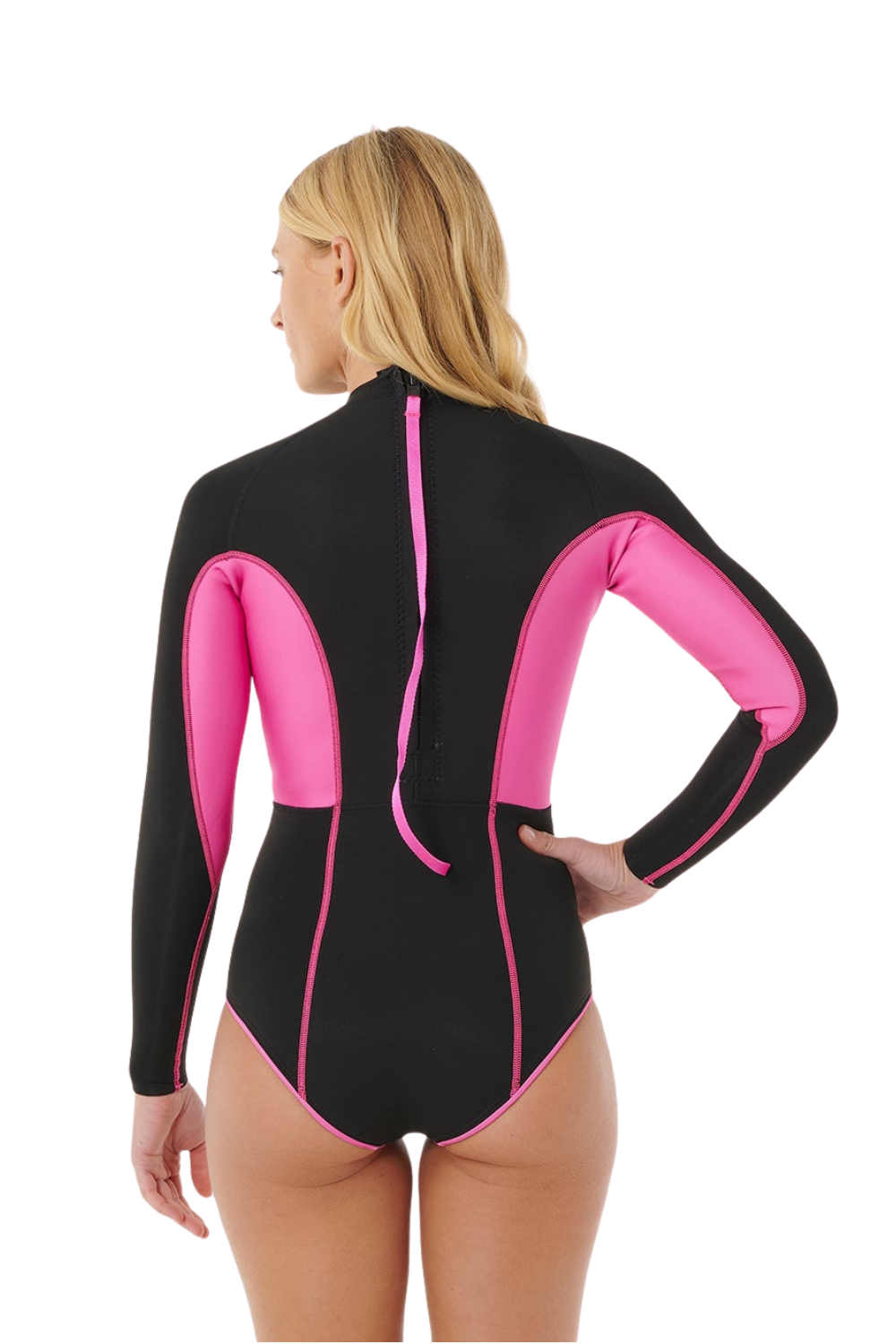
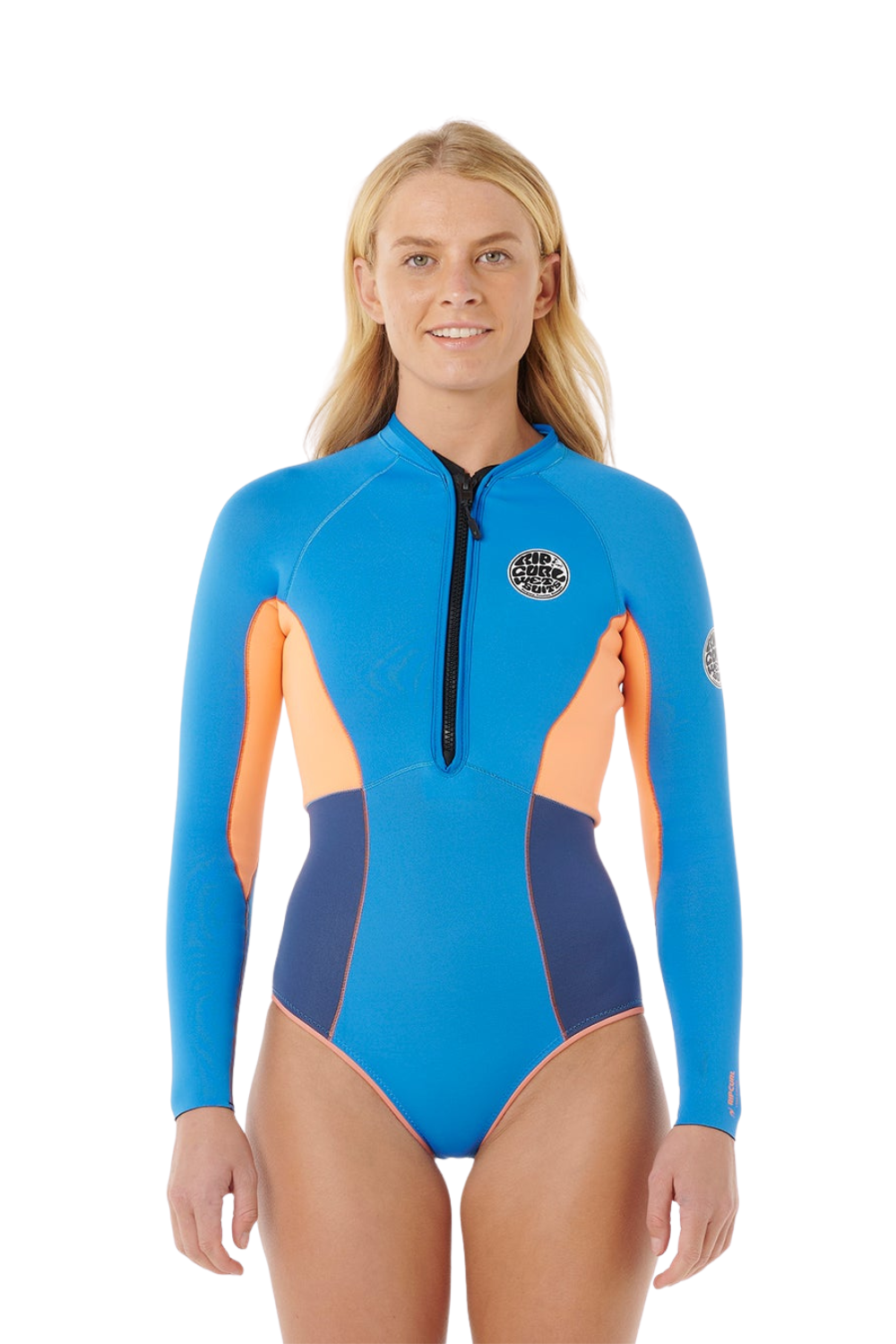
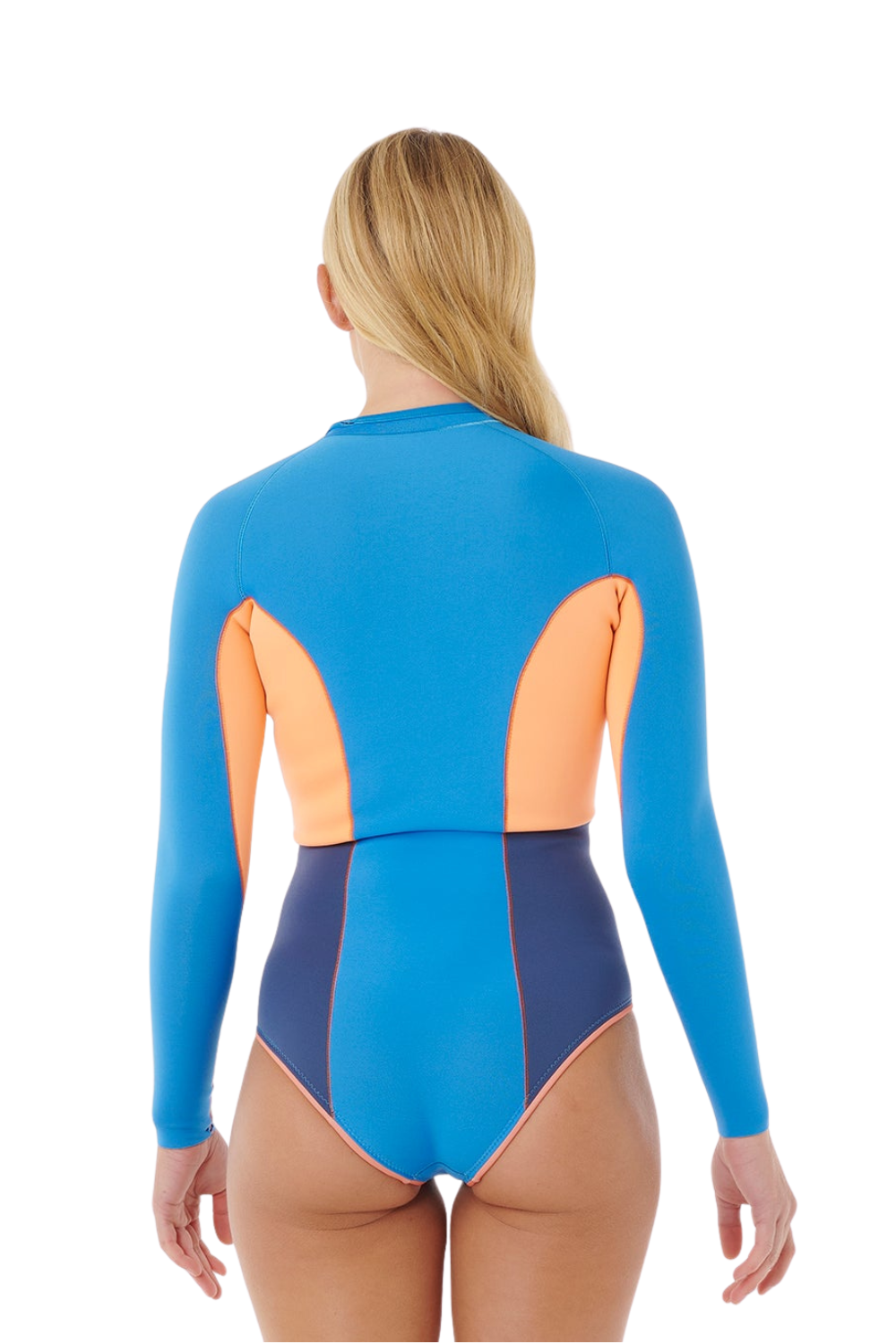
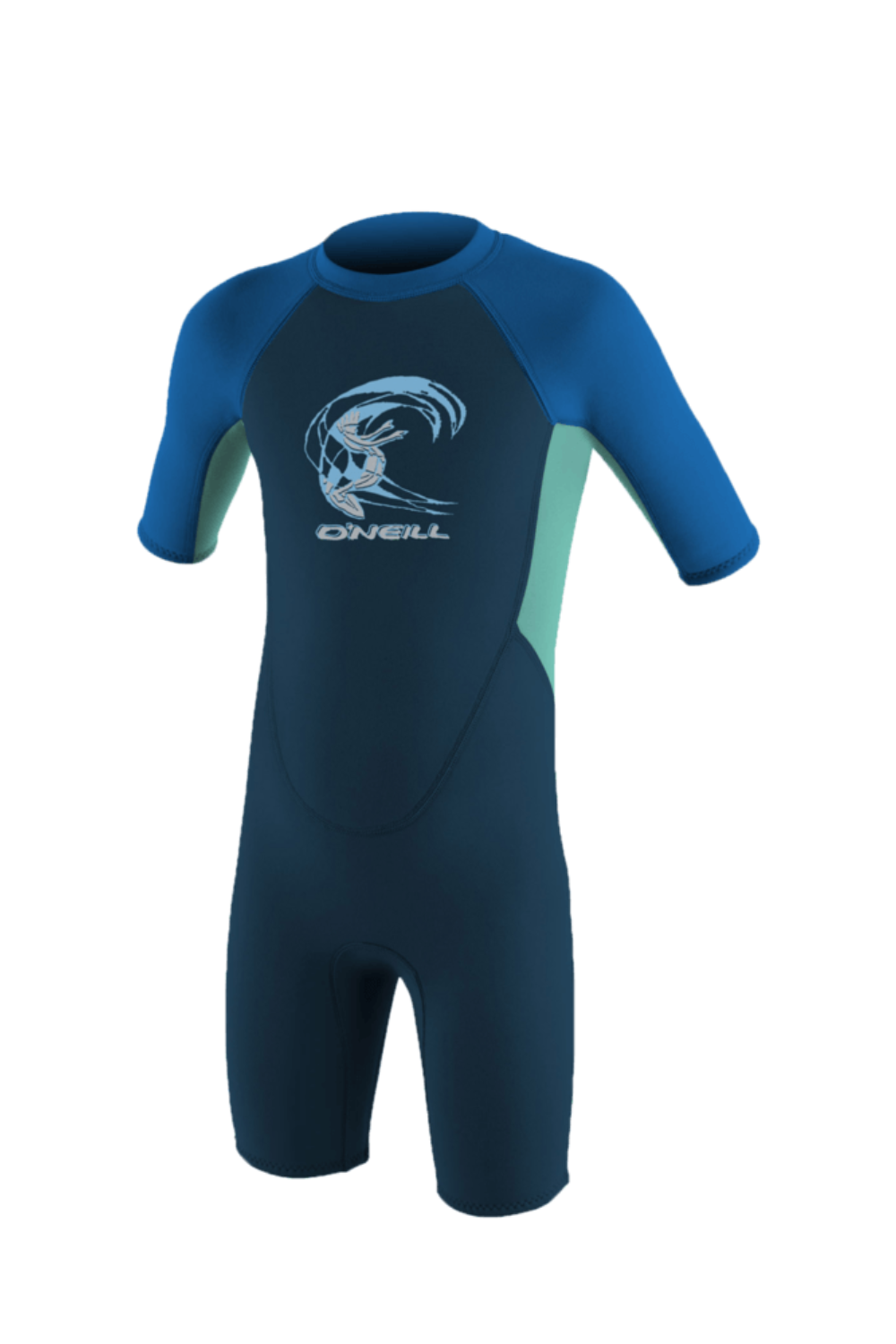
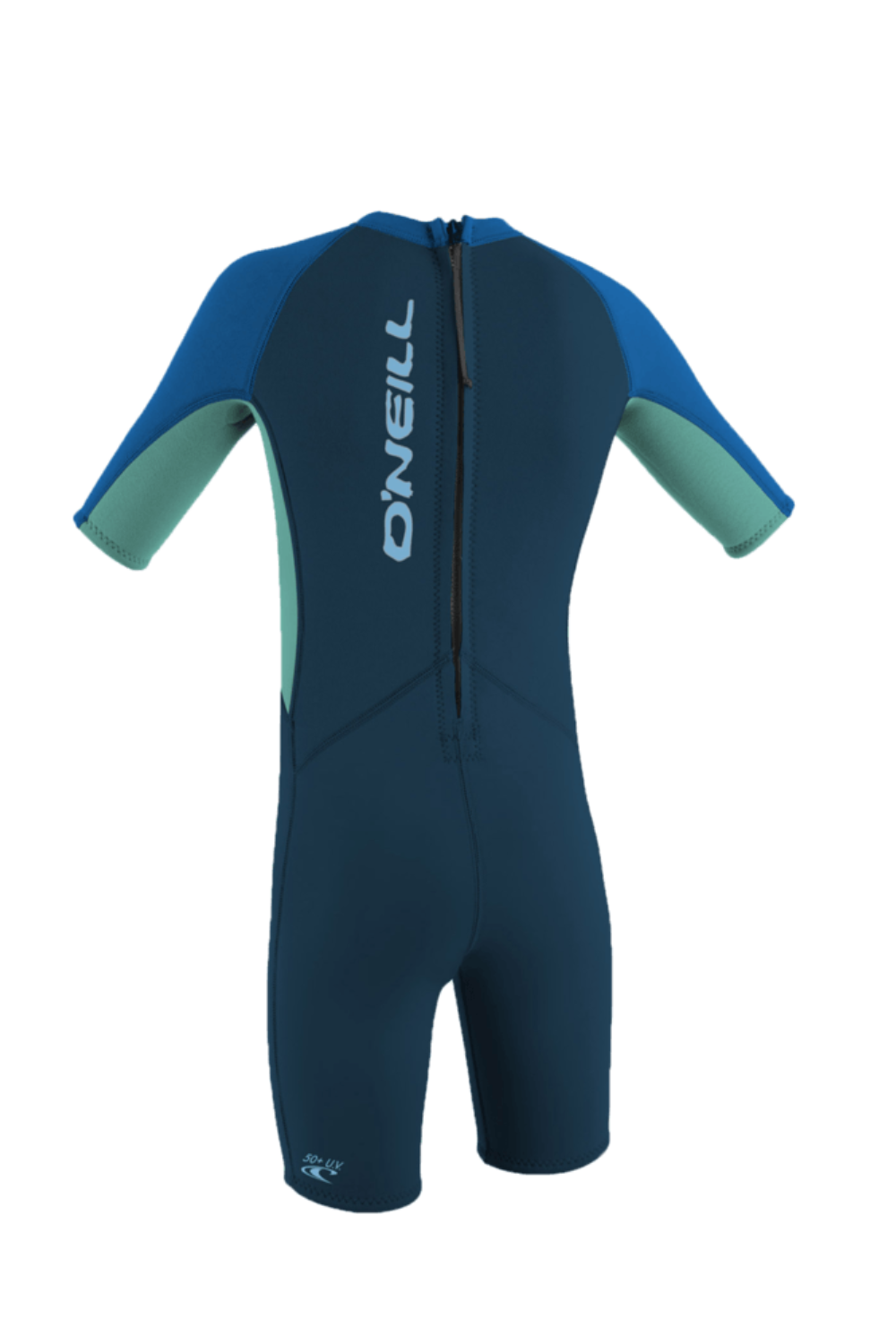

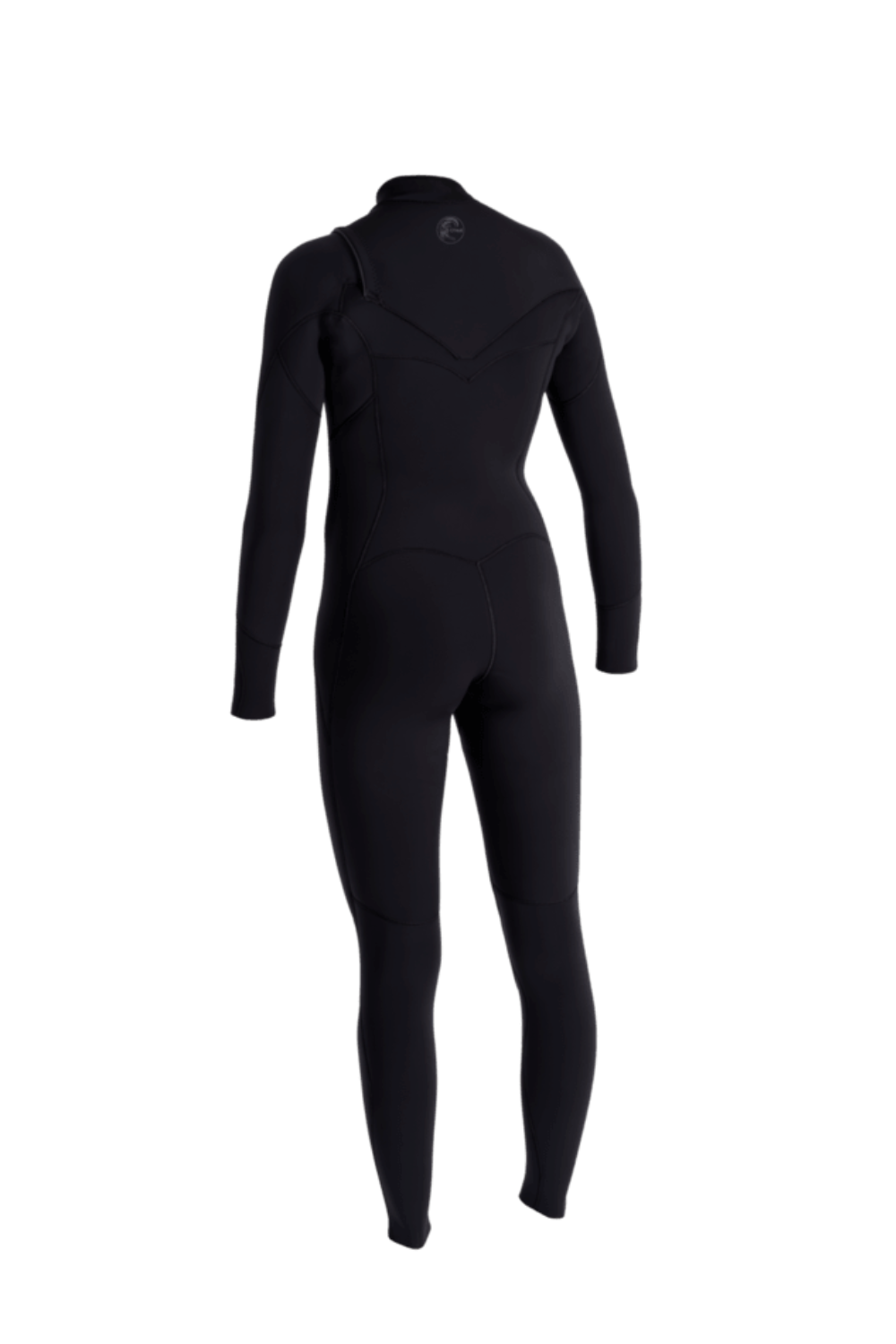
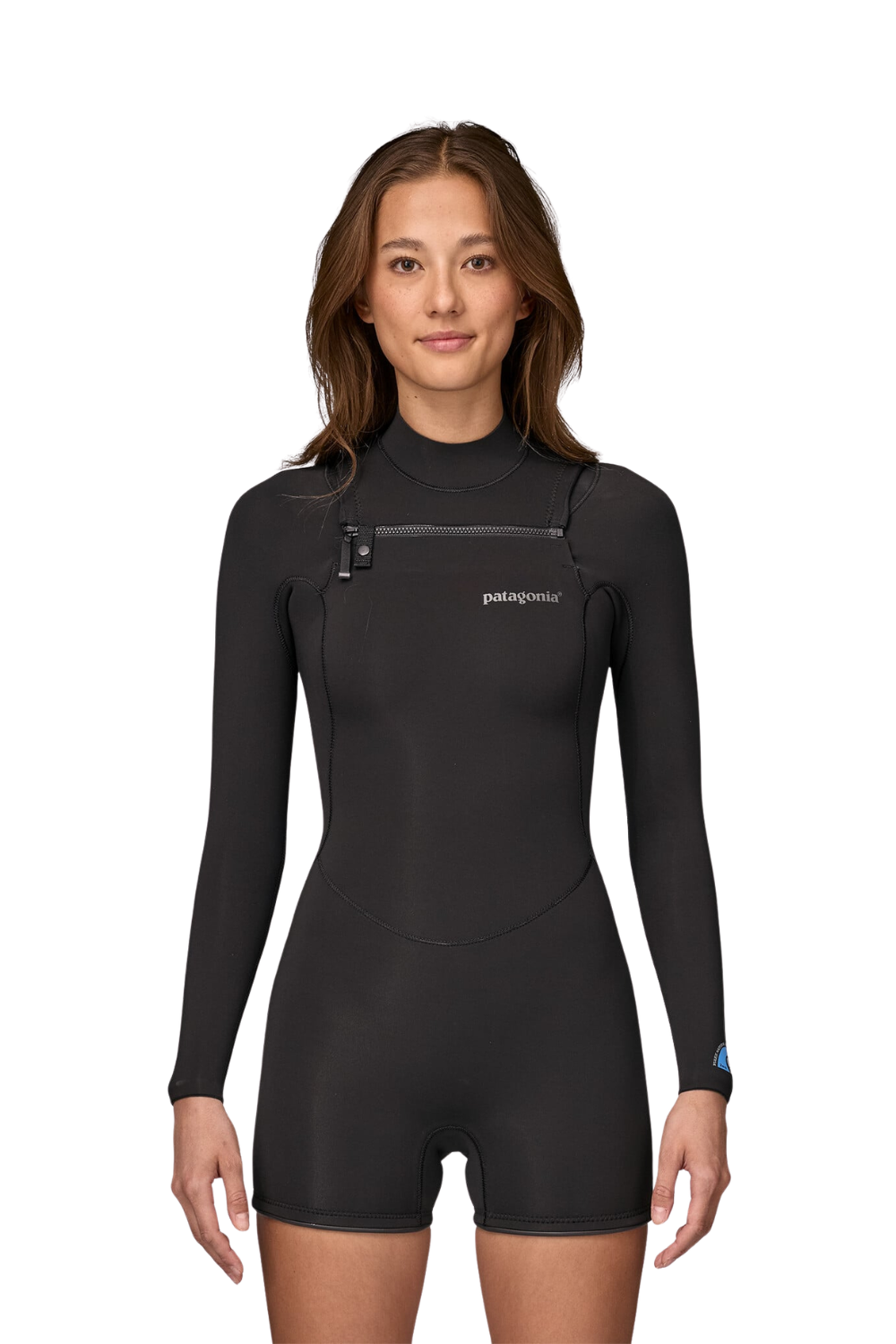
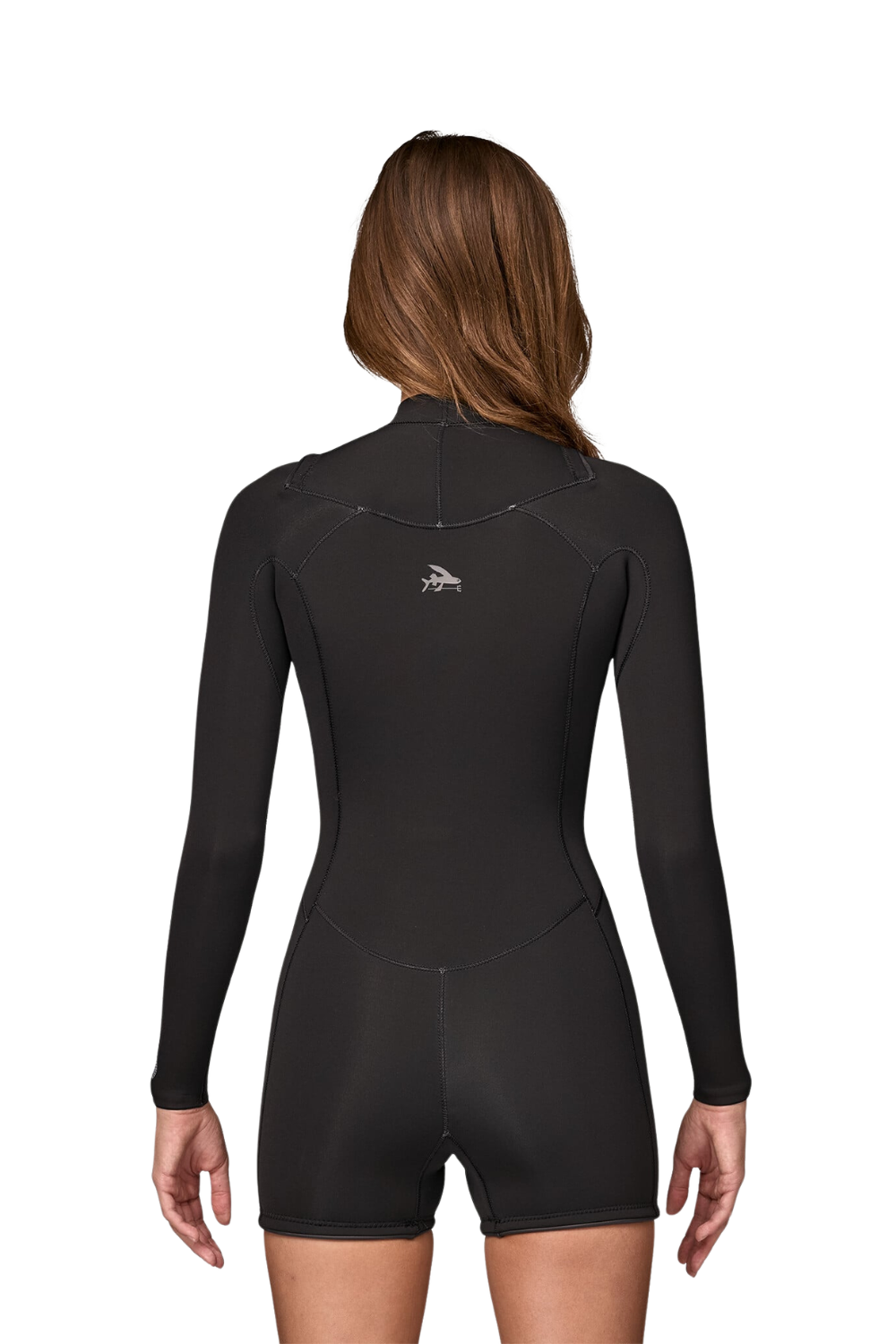
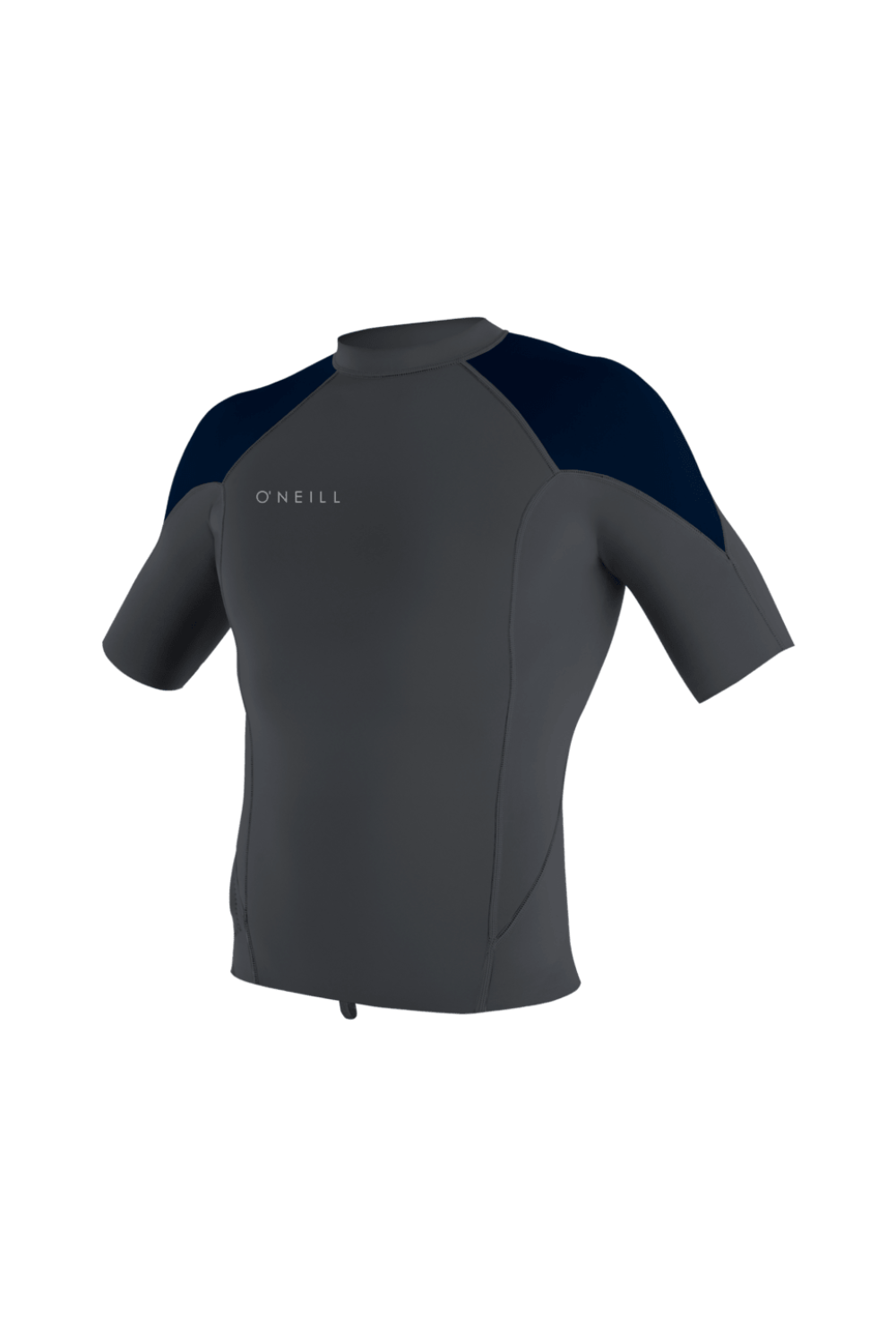
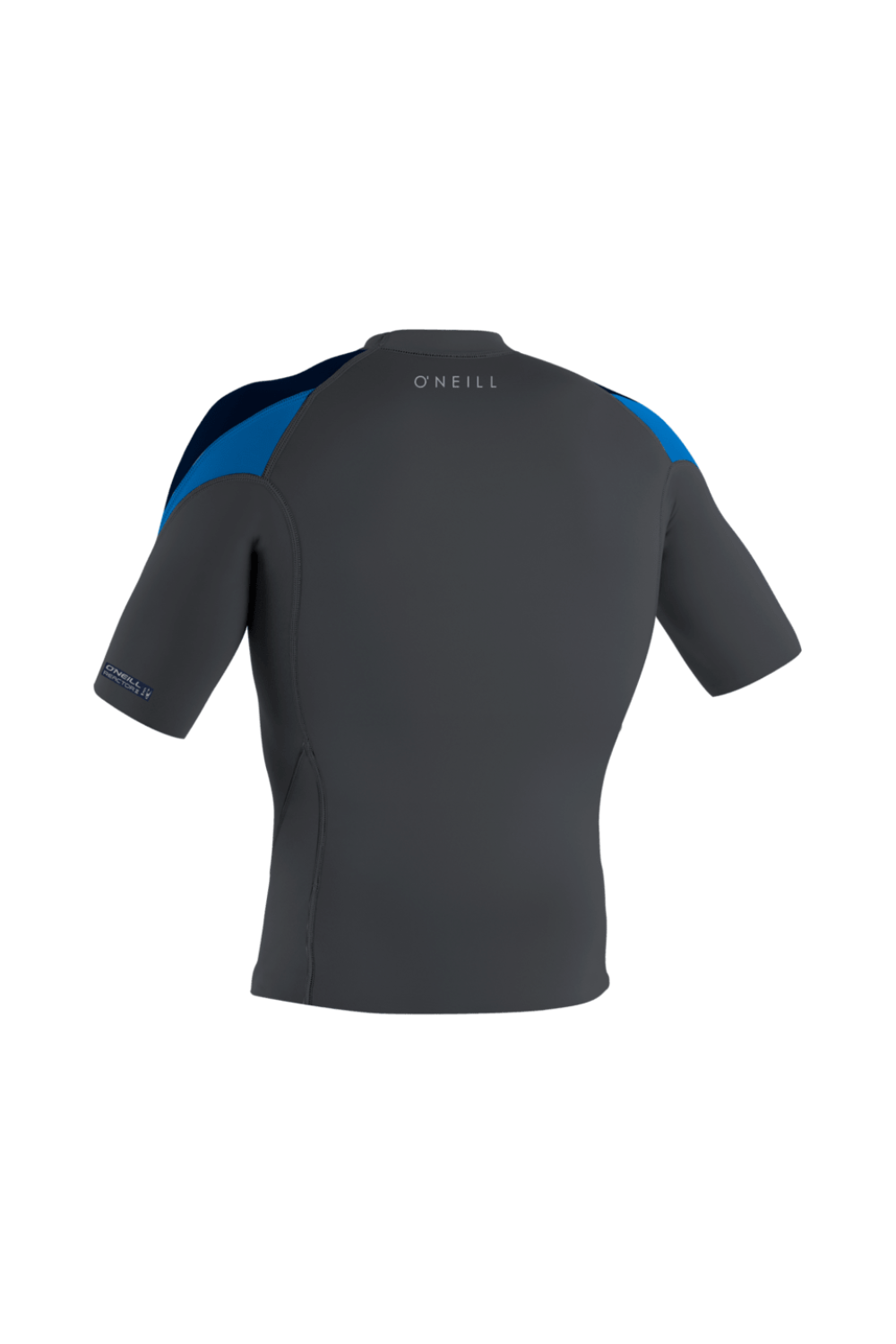
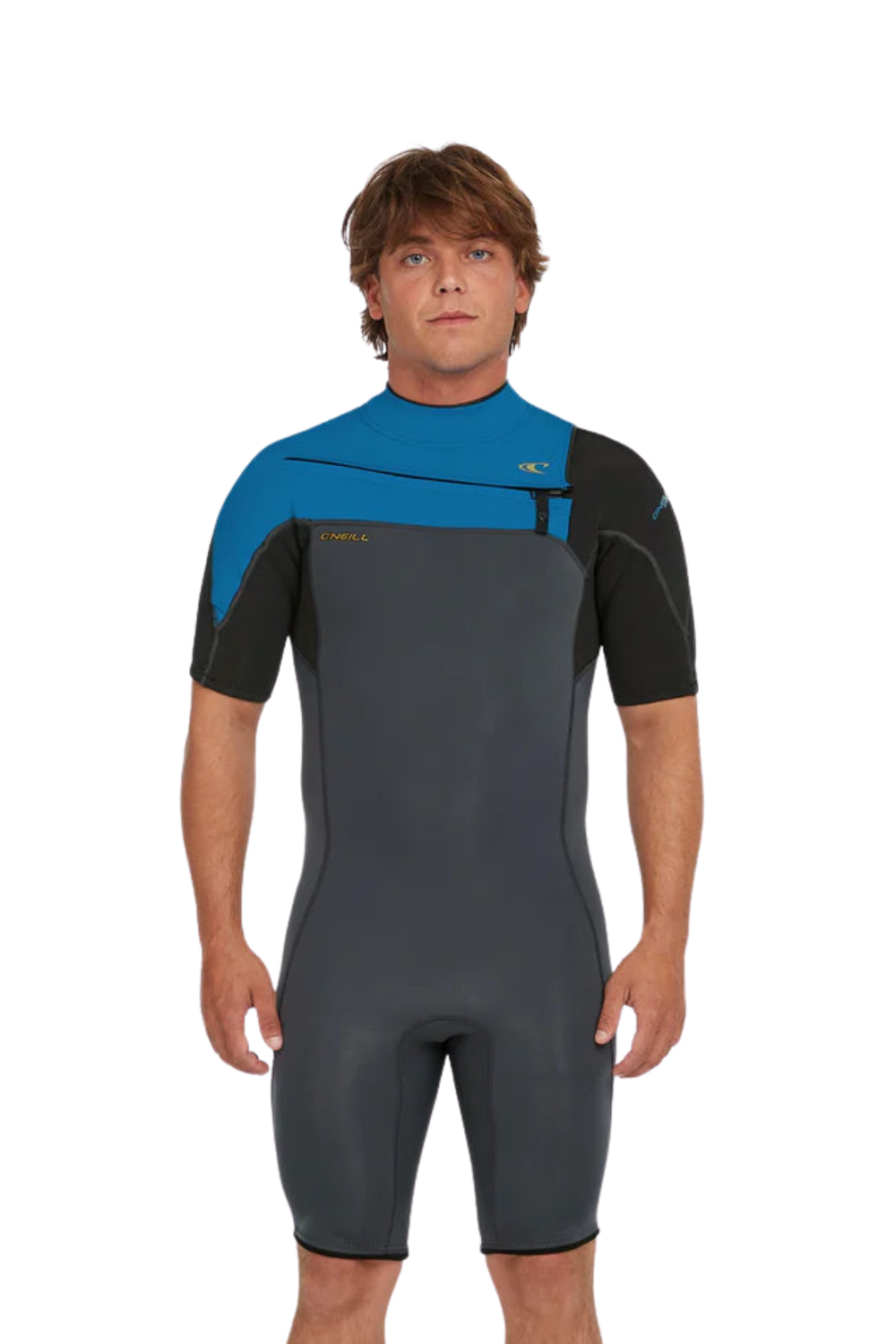
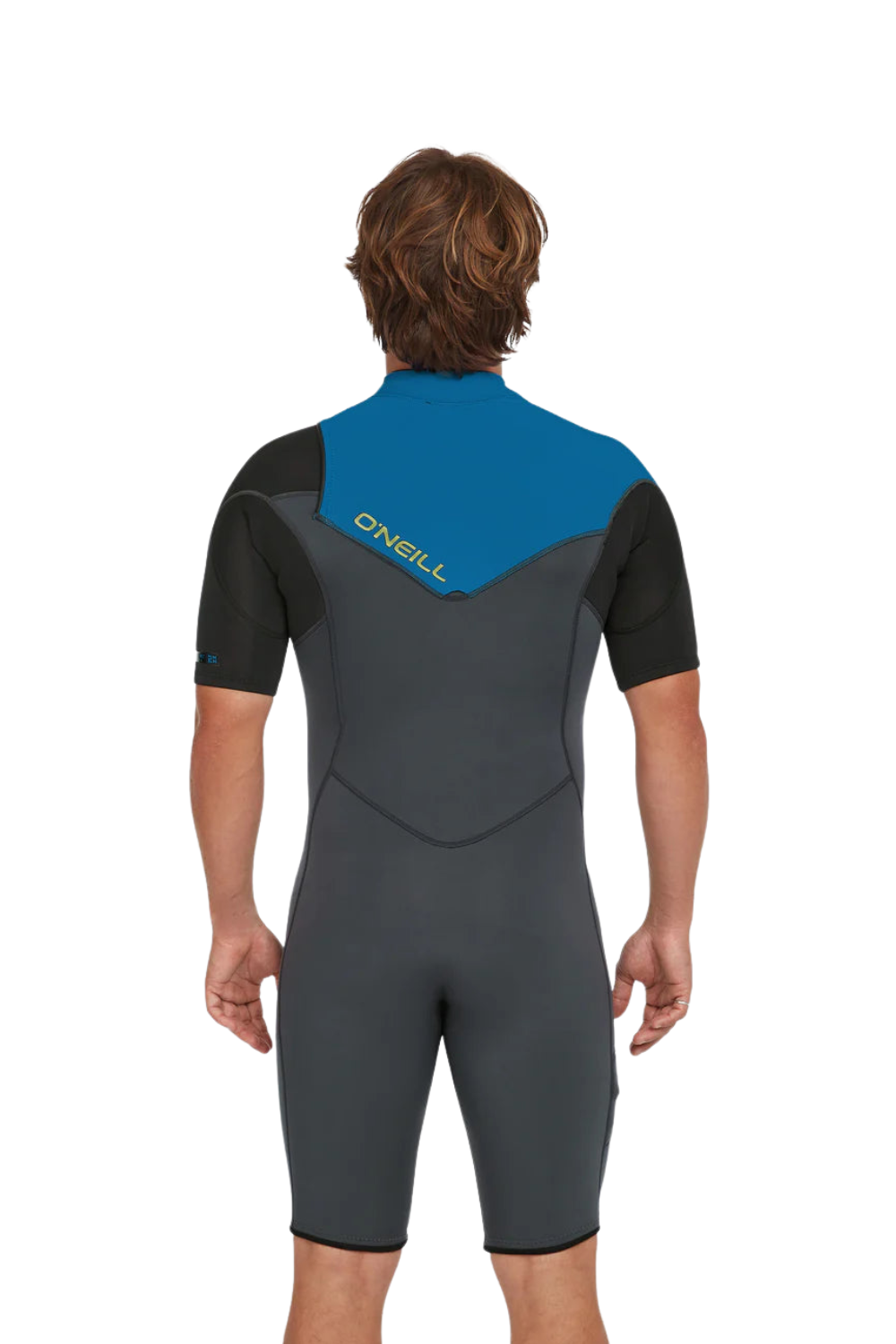
A wetsuit should fit snug, like a second skin. It needs to sit close to your body to trap a thin layer of water, which your body heats to keep you warm. It shouldn’t restrict breathing or limit movement.
There should be no loose gaps around the lower back, shoulders, or neck. The suit should feel close all over, with slight resistance when moving your arms. Loose areas can cause cold water to flush through.
This is normal. Neoprene softens and becomes more flexible once wet. A wetsuit that feels slightly tight when dry will usually settle into the correct fit in the water.
Wetsuits come in different height and body proportions. Standard sizes (S, M, L) may also include Short (S) or Tall (T) versions to better match your height and build, helping improve warmth and comfort.
If you're between sizes, the snugger option is usually better. A wetsuit will stretch slightly over time, but a loose wetsuit will let cold water flush through and reduce warmth.
The numbers refer to neoprene thickness in millimetres. The first number is the torso thickness for core warmth, and the second is the arms and legs for flexibility when paddling.
For typical UK conditions:
3/2mm – summer and warmer spring/autumn days
4/3mm – spring, autumn, and milder winter conditions
5/4mm – winter and colder water sessions
For colder UK conditions, especially in winter, wetsuit boots, gloves, and hoods can make a huge difference to warmth and comfort, allowing for longer sessions.
A wetsuit works by trapping a thin layer of water, but it shouldn’t continuously flush. Small amounts of water entering initially are normal, but constant flushing usually means the suit is too loose.
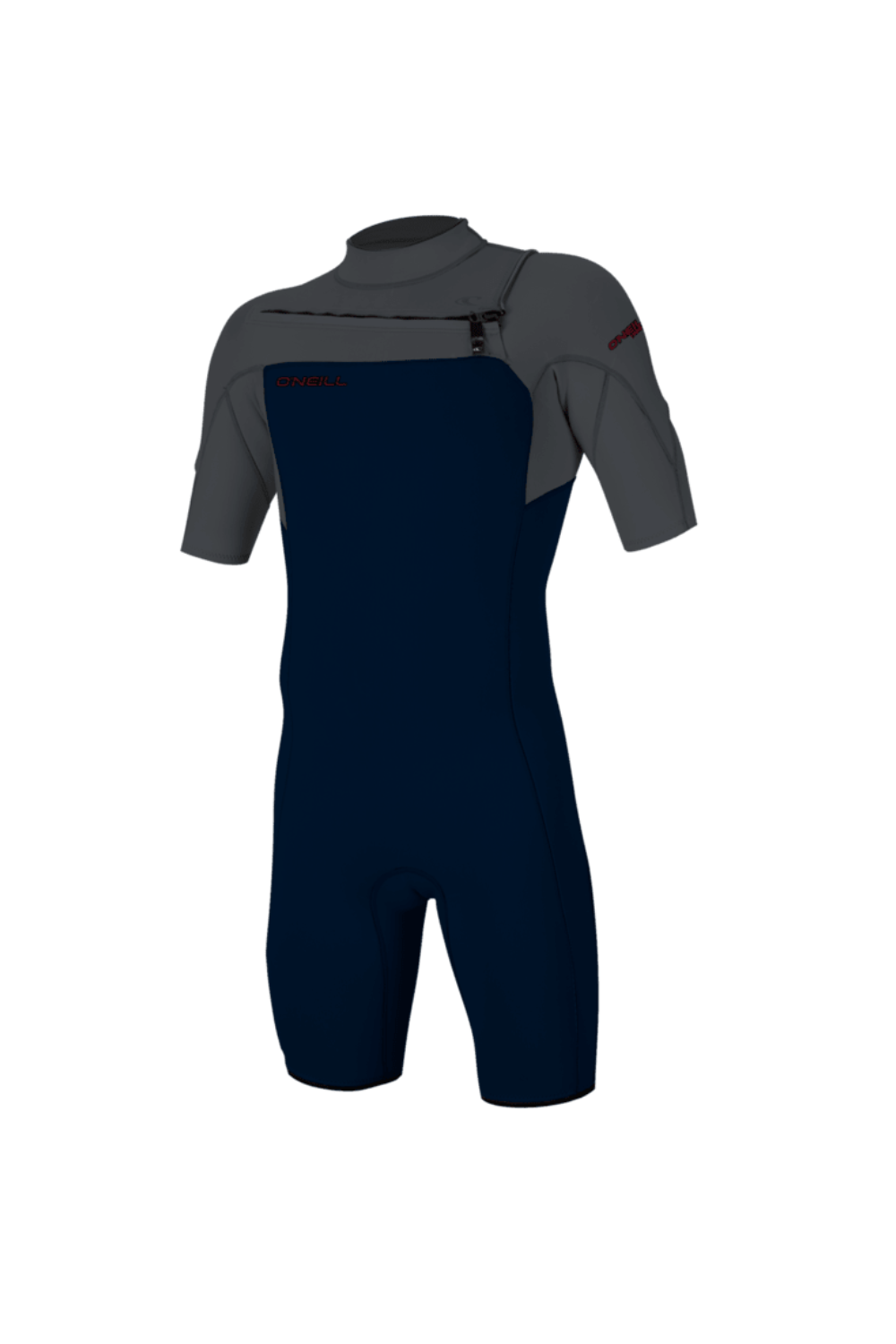
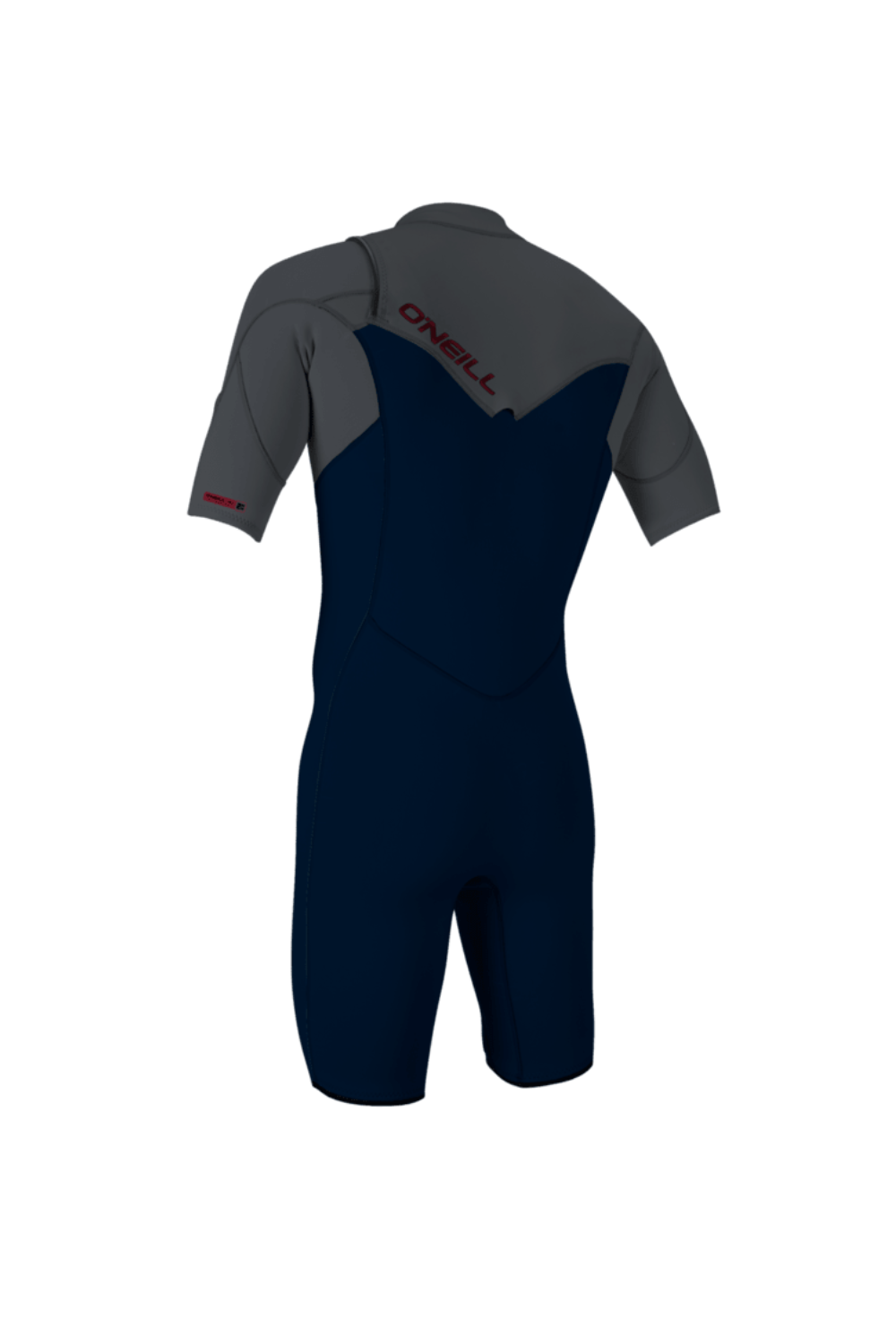
Chest zip wetsuits offer better warmth, and reduced water entry. Back zip wetsuits are easier to put on and remove, making them a great option for ease and convenience.
Chest zip wetsuits are generally warmer, which is why they’re preferred by many regular surfers. Back zip wetsuits remain a reliable and easy-to-use option.
With proper care, a quality wetsuit can last several seasons. Lifespan depends on frequency of use, care, and conditions.
Rinse your wetsuit with fresh, cool water after every use to remove salt and sand, which can damage neoprene over time. Avoid using detergents.
Dry your wetsuit inside out first. Avoid direct sunlight, radiators, or tumble dryers, as heat can damage the neoprene.
Store your wetsuit on a wide hanger to protect the shoulders, or folded loosely in a cool, dry place.