Ski & Snowboard Helmet Guide

This guide explains how to choose and fit a ski or snowboard helmet, covering protection, fit, ventilation and goggle compatibility.

Jump to the section you're most interested in

Do I Need One?
1

Do I Need One?

If you’re just starting out on your skiing or snowboarding journey, chances are you’ll be falling over at some point.
Jump to Section
Protection
2

Protection

MIPS and Safety Certifications
Jump to Section
Fit
3

Fit

The most important thing to get right is the fit. Even a top end helmet won’t protect you properly if its poorly fitted. 
Jump to Section
Test With Your Goggles
4

Test With Your Goggles

I can’t explain how terrible it is to be standing at the top of your favourite run on a bluebird powder day with steamed-up goggles. 
Jump to Section

Do I Need One?

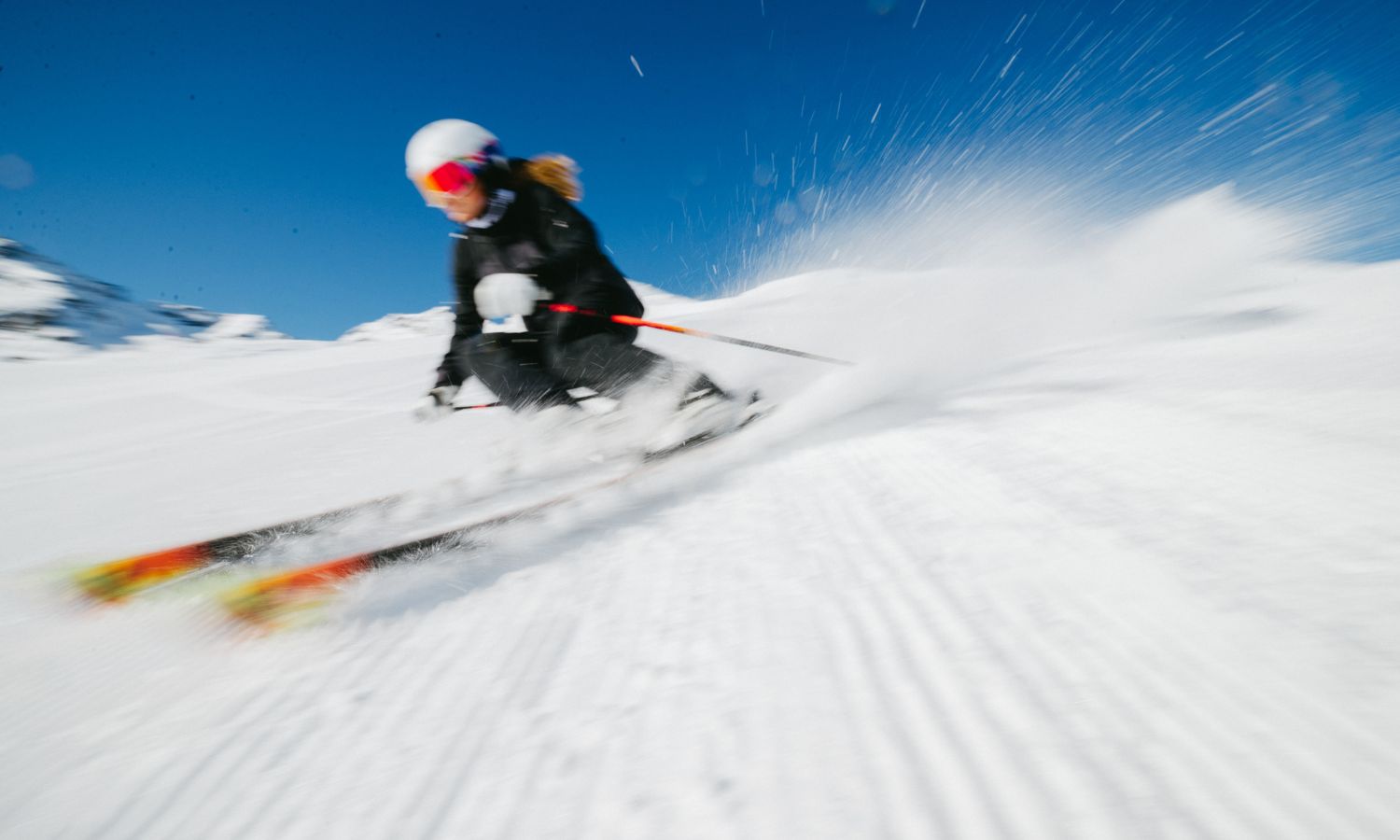
If you’re just starting out on your skiing or snowboarding journey, chances are you’ll be falling over at some point. What that fall will look like is unknown. What is known is that ice is hard, rocks are hard, and other beginners, unable to control their speed, can also be hard. 

Despite all that, sliding around on snow is one of the best things ever, so protect yourself properly and everyone can have a great time. 

You can hire helmets from rental shops in most resorts, but to be honest, they aren’t always the best quality. You might struggle to get that all-important fit right, and it’s probably just spent the last week on someone else’s sweaty head. Having said that, ski holidays are expensive and hiring one is better than nothing. 

I should say, with the exception of Italy, ski and snowboard helmets aren’t mandatory for adults in most resorts, so most of the time it’s a personal choice. But if you like your brain, this helmet guide will help you find the one that’s right for you. 

Protection 

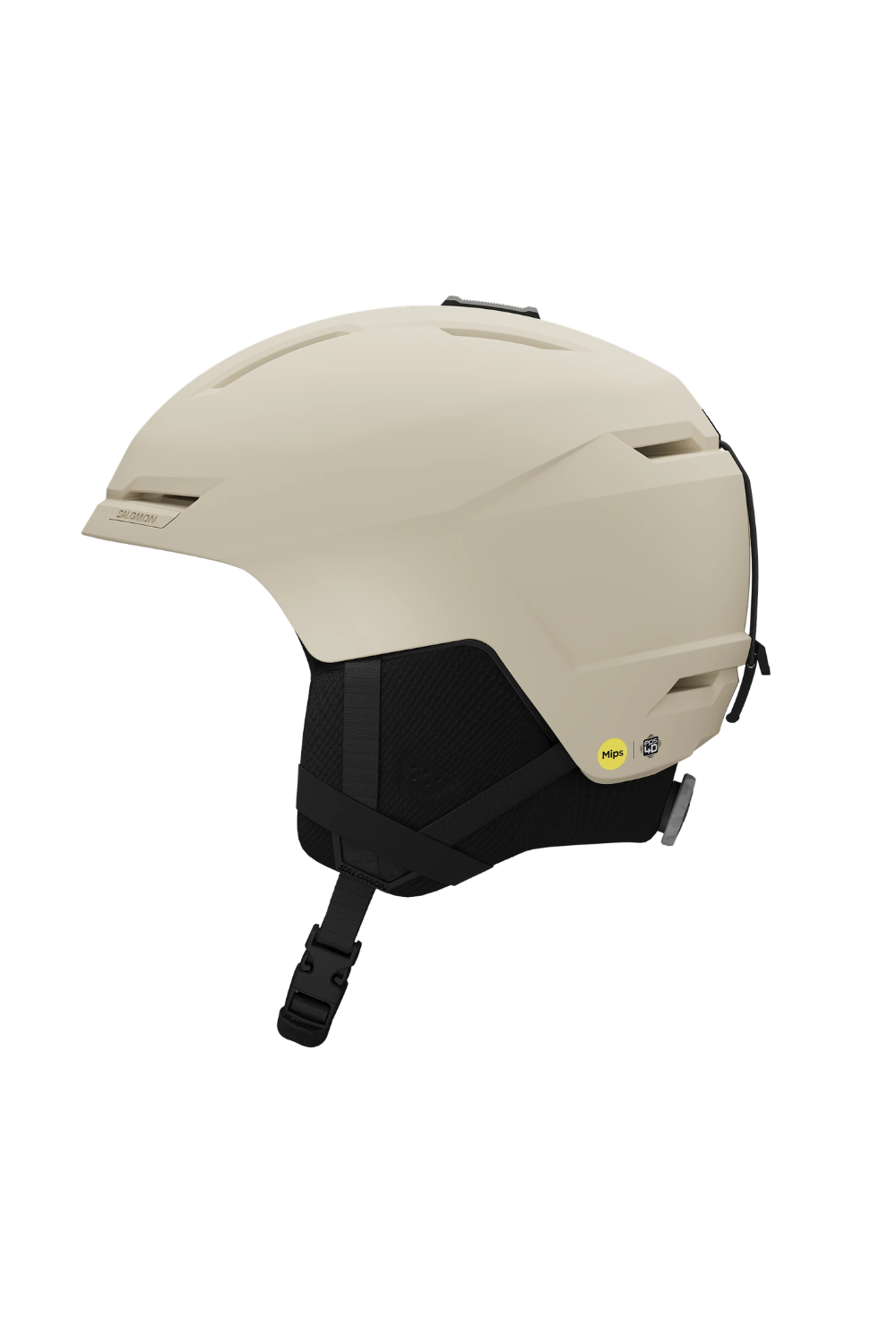
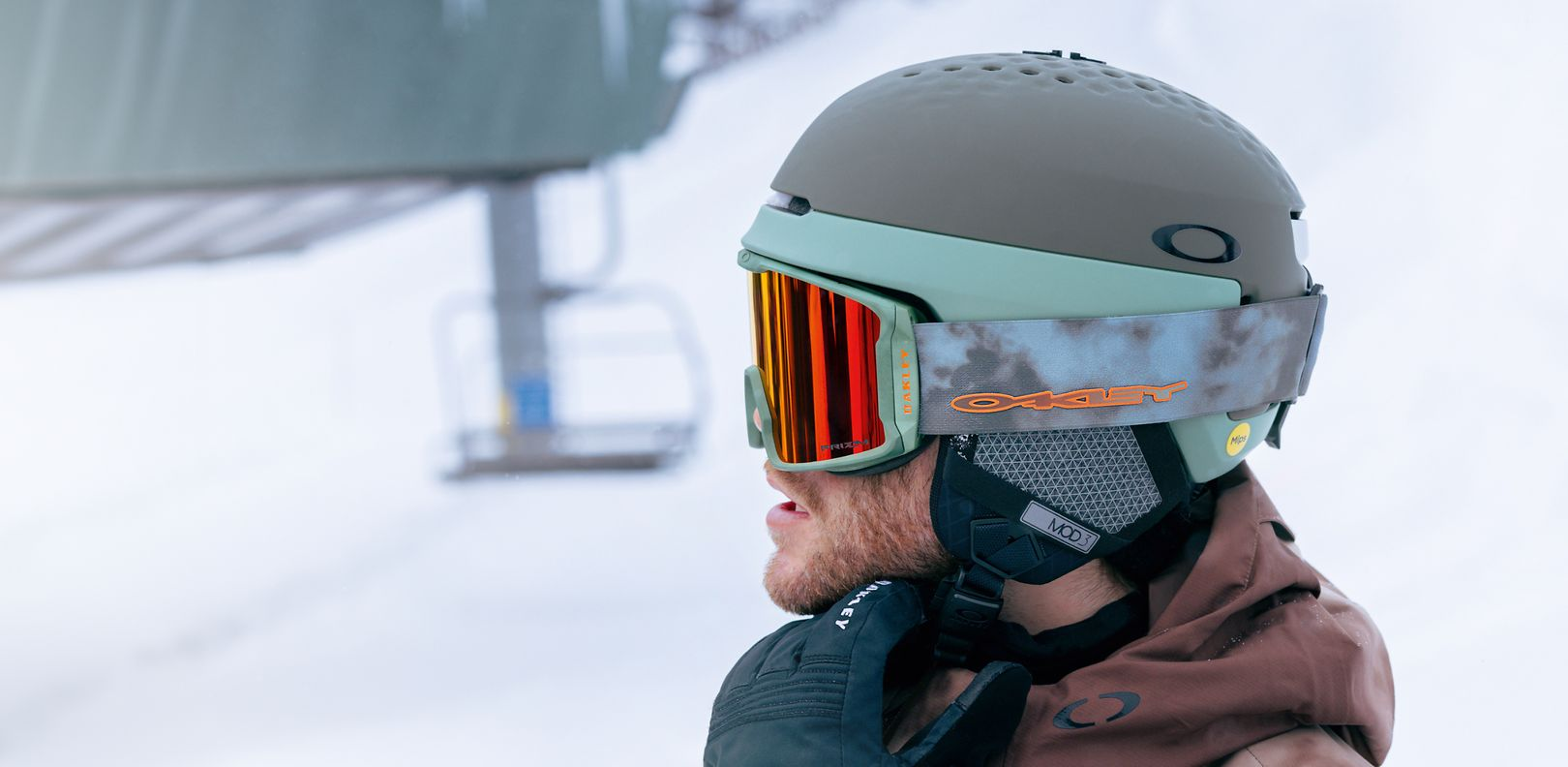
There’s a big difference in both price and technology when it comes to ski and snowboard helmets. One of the biggest developments in recent years is MIPS (Multi-directional Impact Protection System), which has been around for a while now. Look for the small yellow MIPS circle on the back of the helmet. 

MIPS is designed to help reduce the rotational forces applied to the brain during certain impacts. Fun fact: it’s often the brain moving and colliding with the inside of your own skull that causes concussions. MIPS uses a low-friction layer within the helmet that moves slightly on impact, helping to reduce the transfer of energy to the brain. 

If you’re an advanced skier or rider who skis fast, hits kickers or explores the backcountry, investing in a decent helmet is 100% worth it. If it is your first time, you’ll probably fall more, but those falls are usually at lower speeds, so you may not need the highest level of protection. That said, safety in the mountains is always paramount. If you can afford it and it gives you peace of mind, go for a higher-end helmet. 

If you do opt for a cheaper option, buy from a recognised brand. A brand’s entry-level helmet will almost always outperform a supermarket middle-aisle special. If you’re unsure, check for approved safety certification. In Europe this is EN 1077. 

Fit 

The most important thing to get right is the fit. Even a top-end  helmet won’t protect you properly if its poorly fitted. 

So find the right size. If you’re between sizes, it’s generally recommended to size up. It should feel snug but not tight. Give your head a wobble - the helmet shouldn’t rattle around or feel overly heavy. 

Make sure it’s sitting straight and not tilted too far back or forward. Leave the jaunty angled hats to the sailors, on the slopes you just look like a dweeb. 

Most modern helmets come with adjustable fit systems, such as a BOA dial or internal adjustment straps.

Make sure you’re comfortable with how it works, and that there’s room to adjust either way. You don’t want to be maxed out on the tightest or loosest setting. 

Test the chin strap and make sure it’s secure and comfortable enough to be worn all day. Like most things, different brands will feel different, so it’s worth trying on a few systems to see what works best for you. 

Test With Your Goggles 

I’ve made that a heading because it’s genuinely important. 

I can’t explain how terrible it is to be standing at the top of your favourite run on a bluebird powder day with steamed-up goggles. 

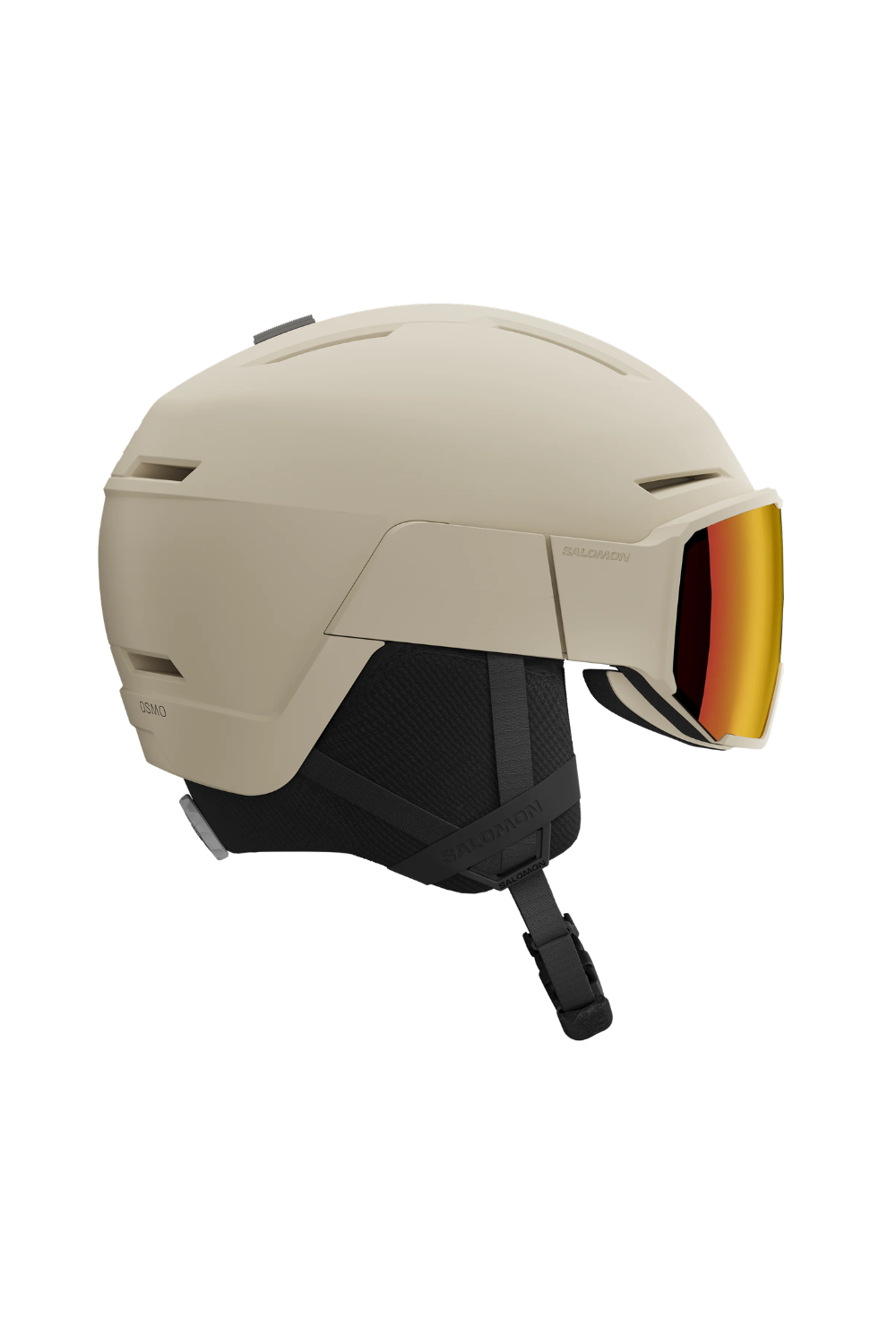
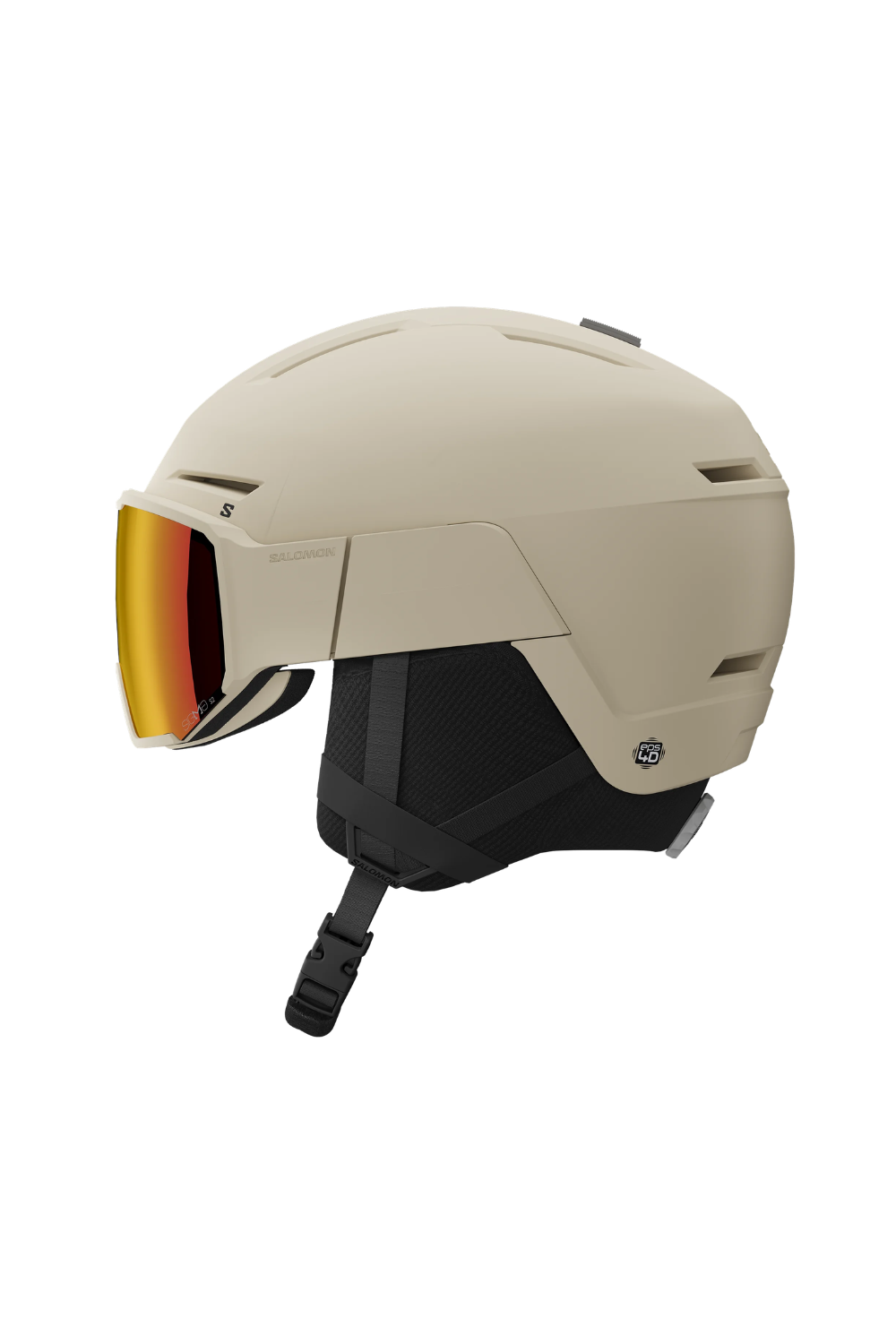
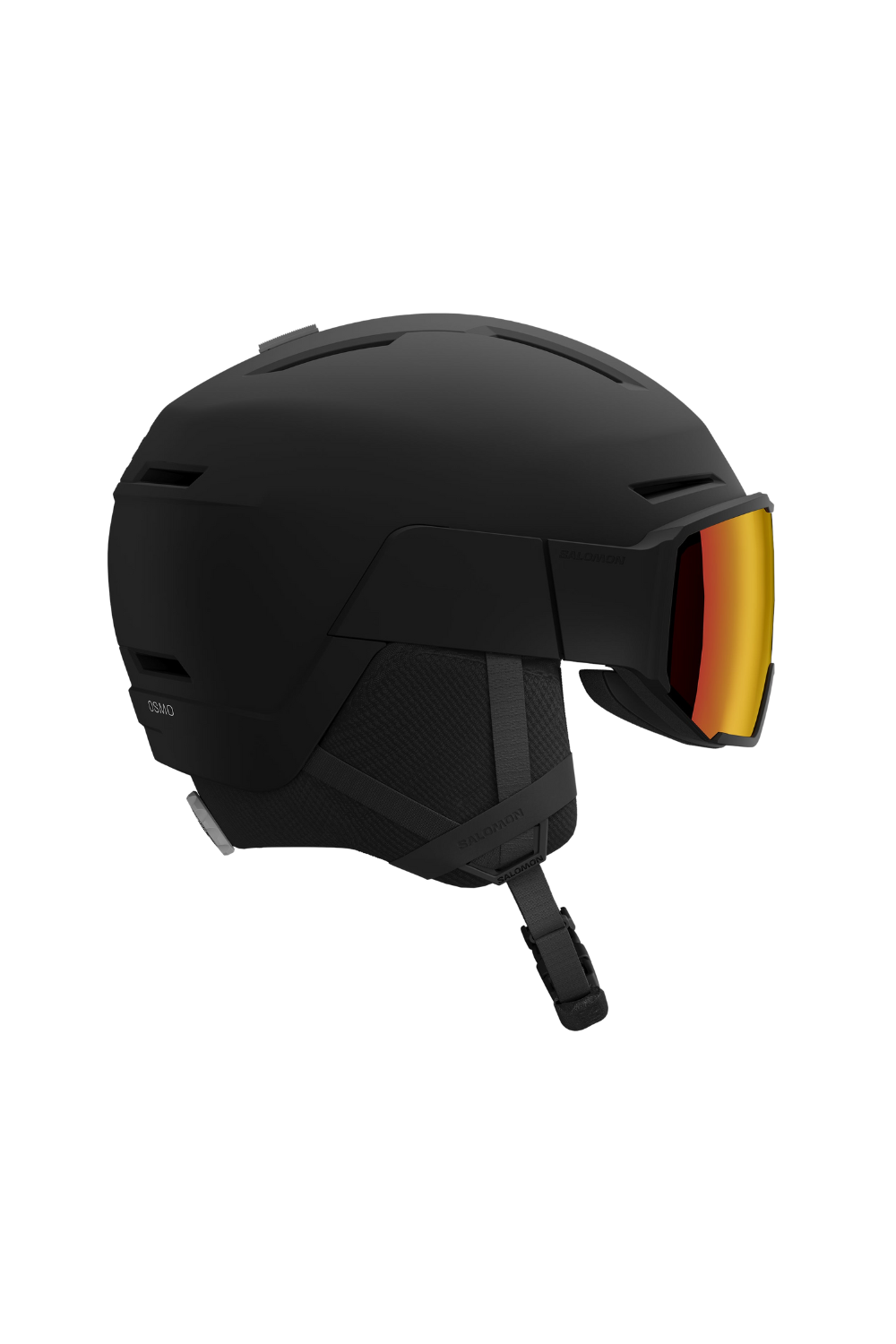
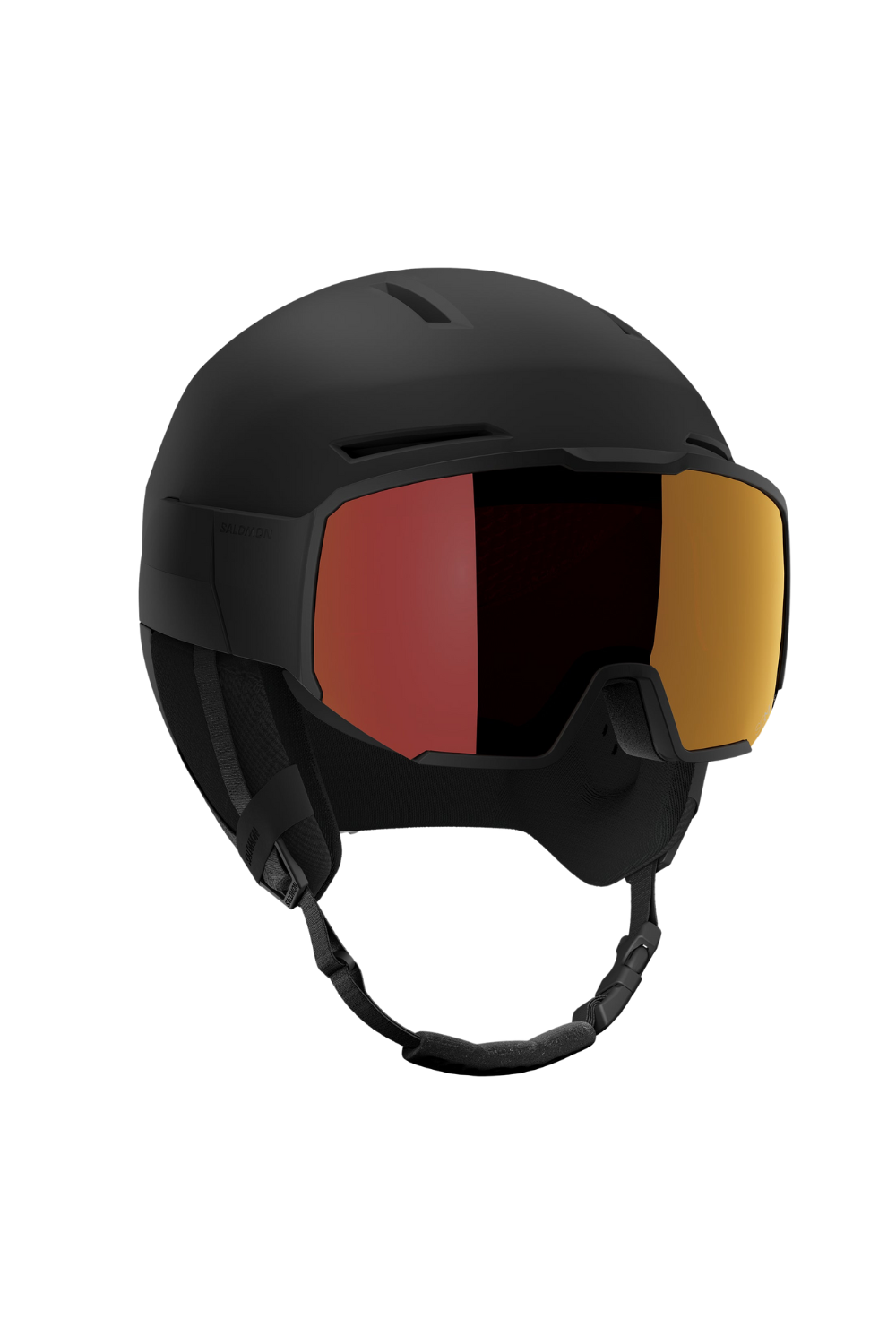
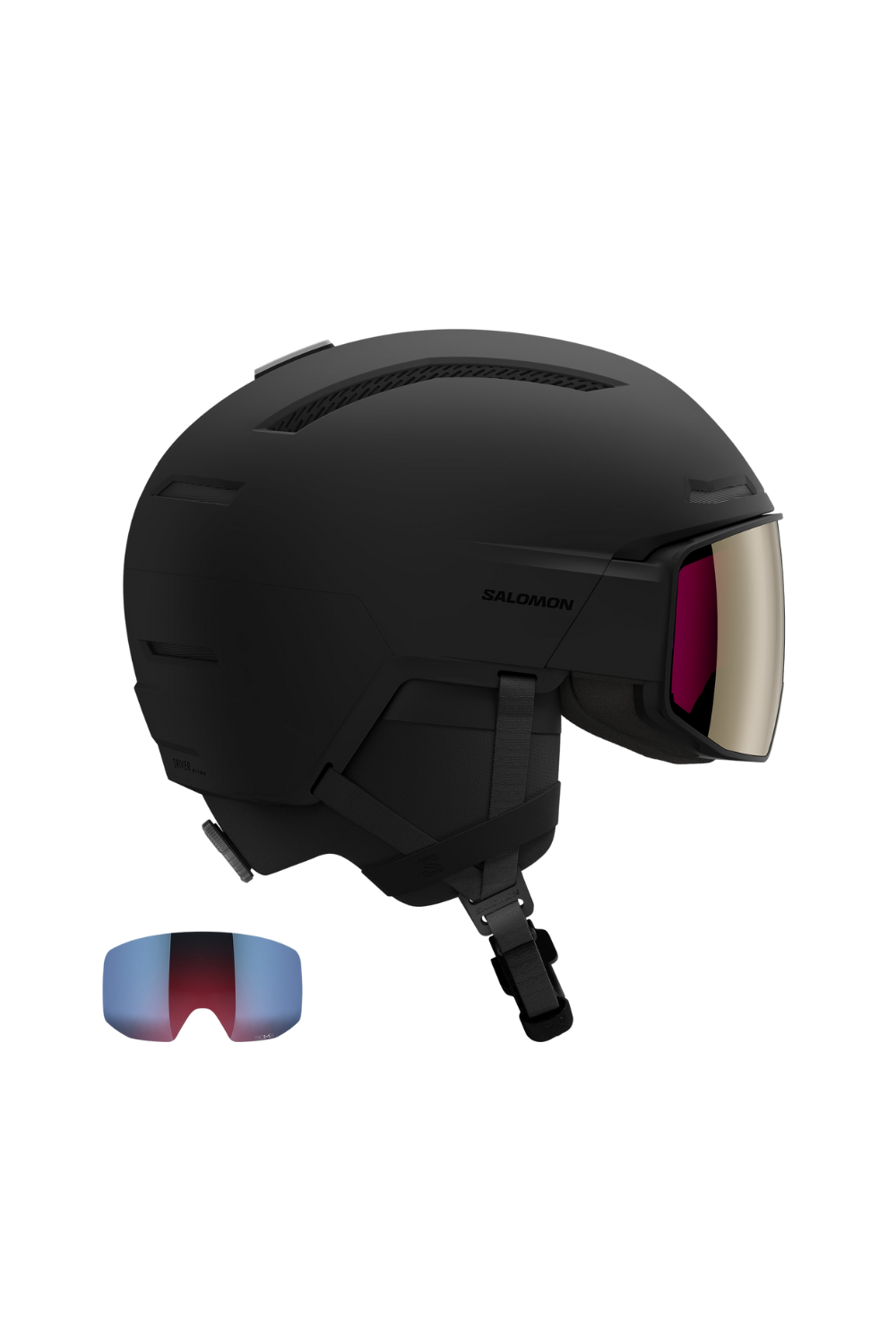
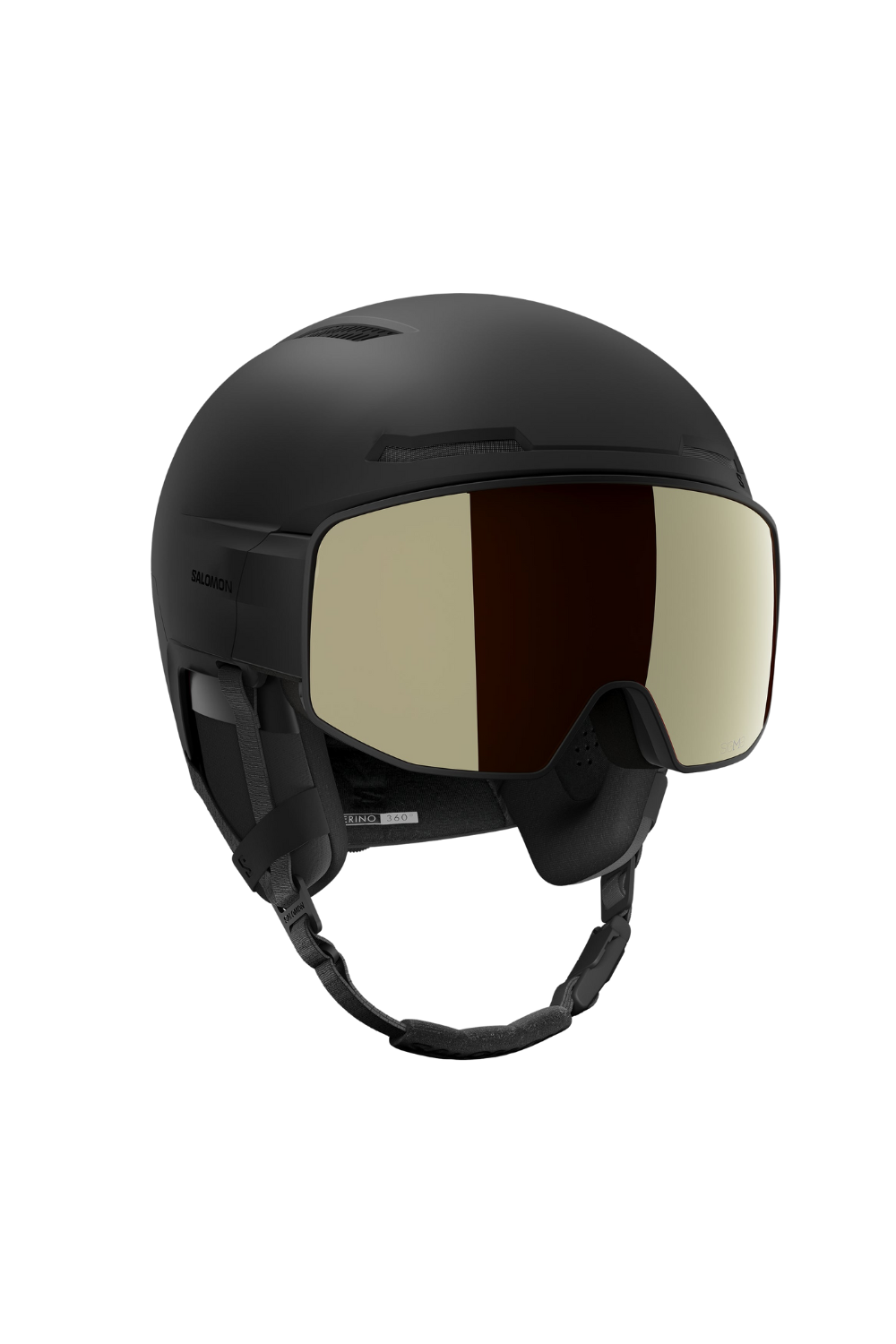
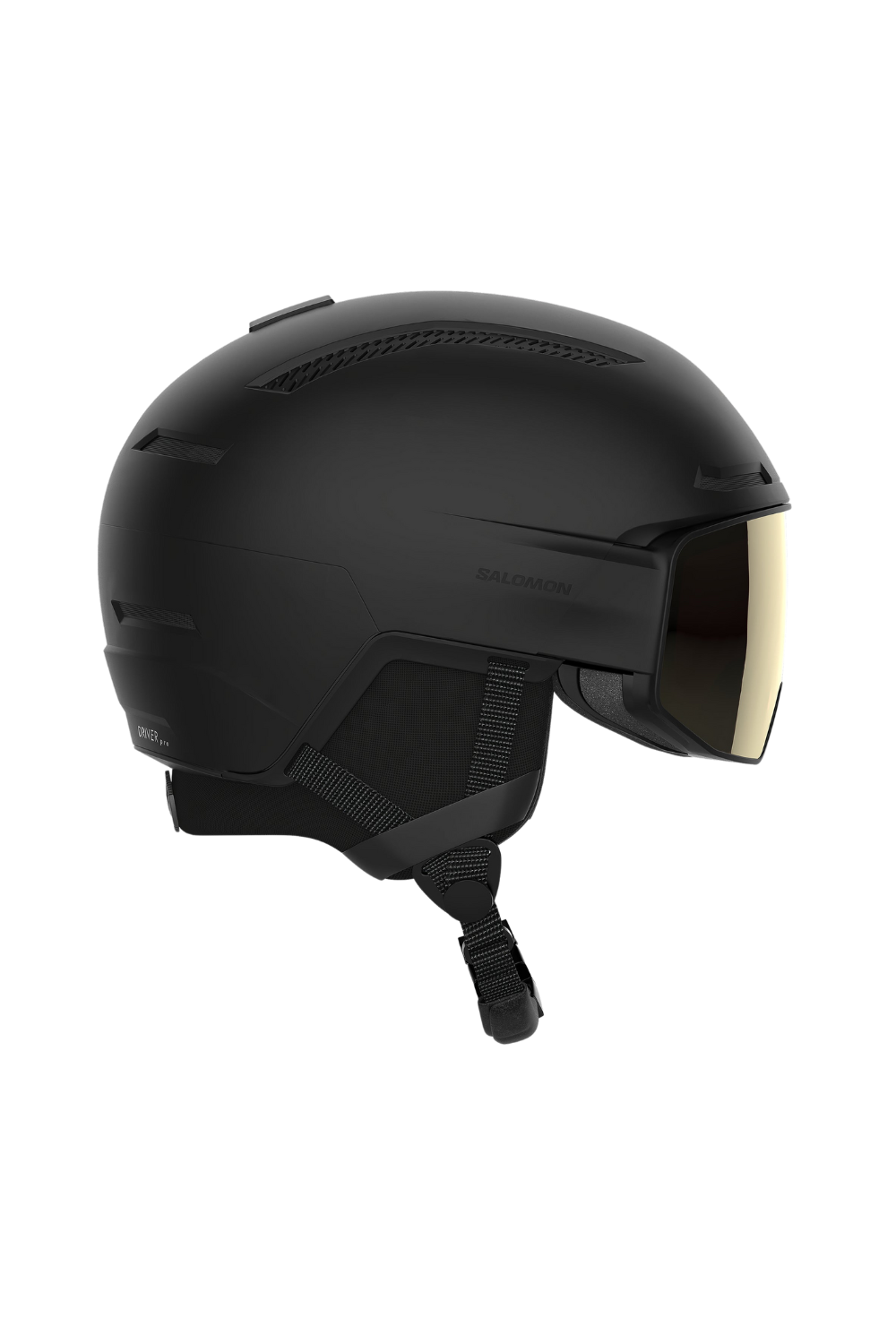
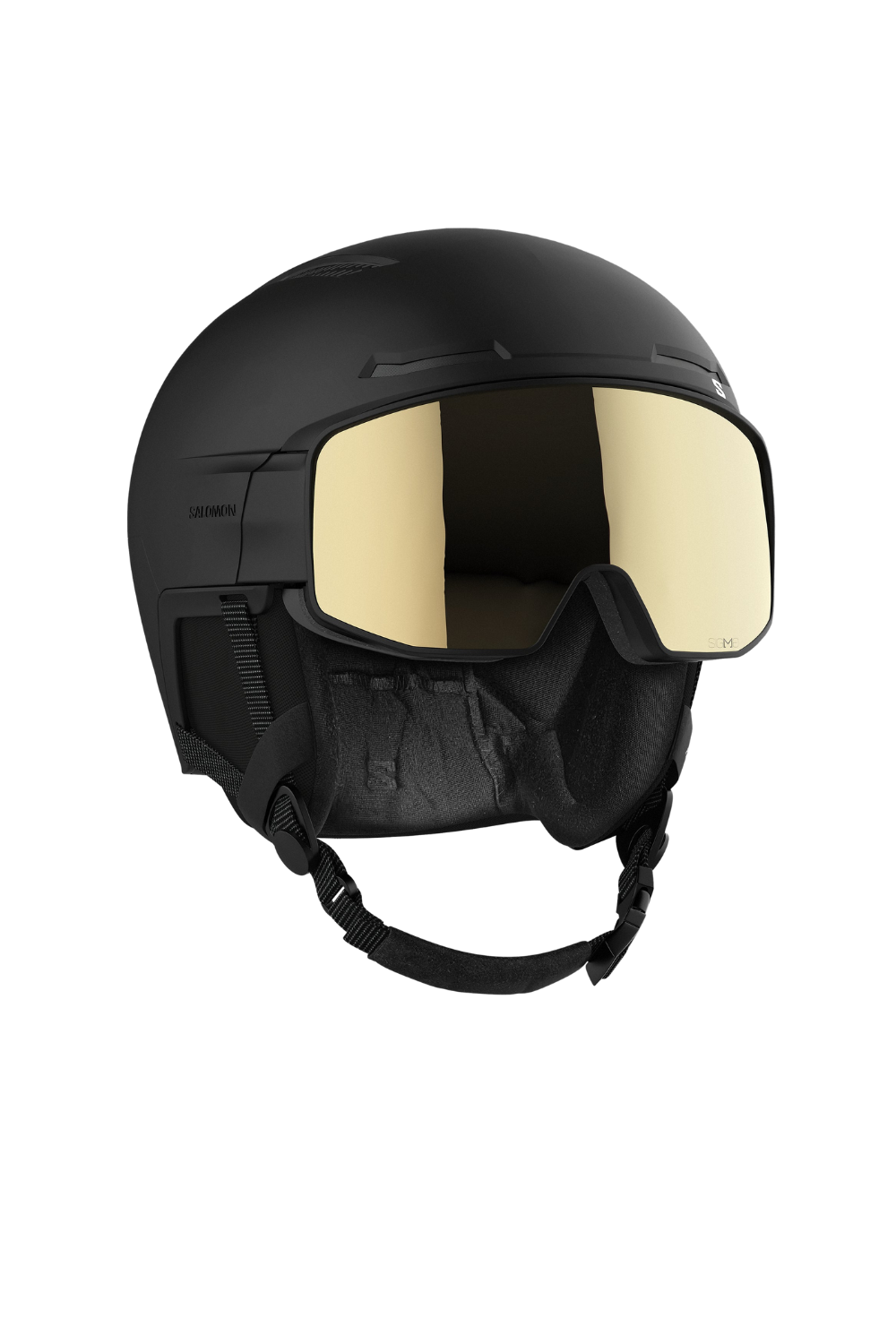
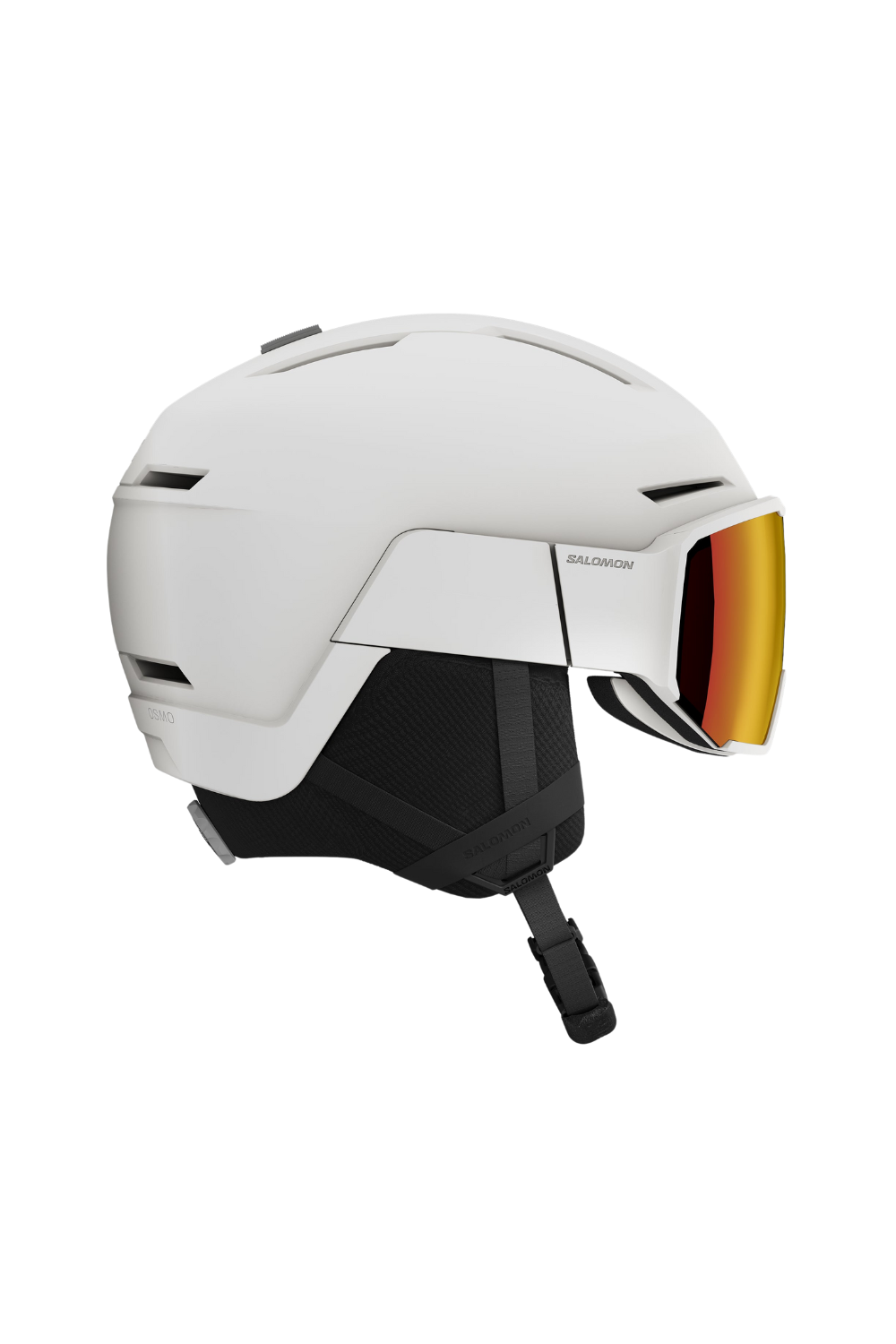
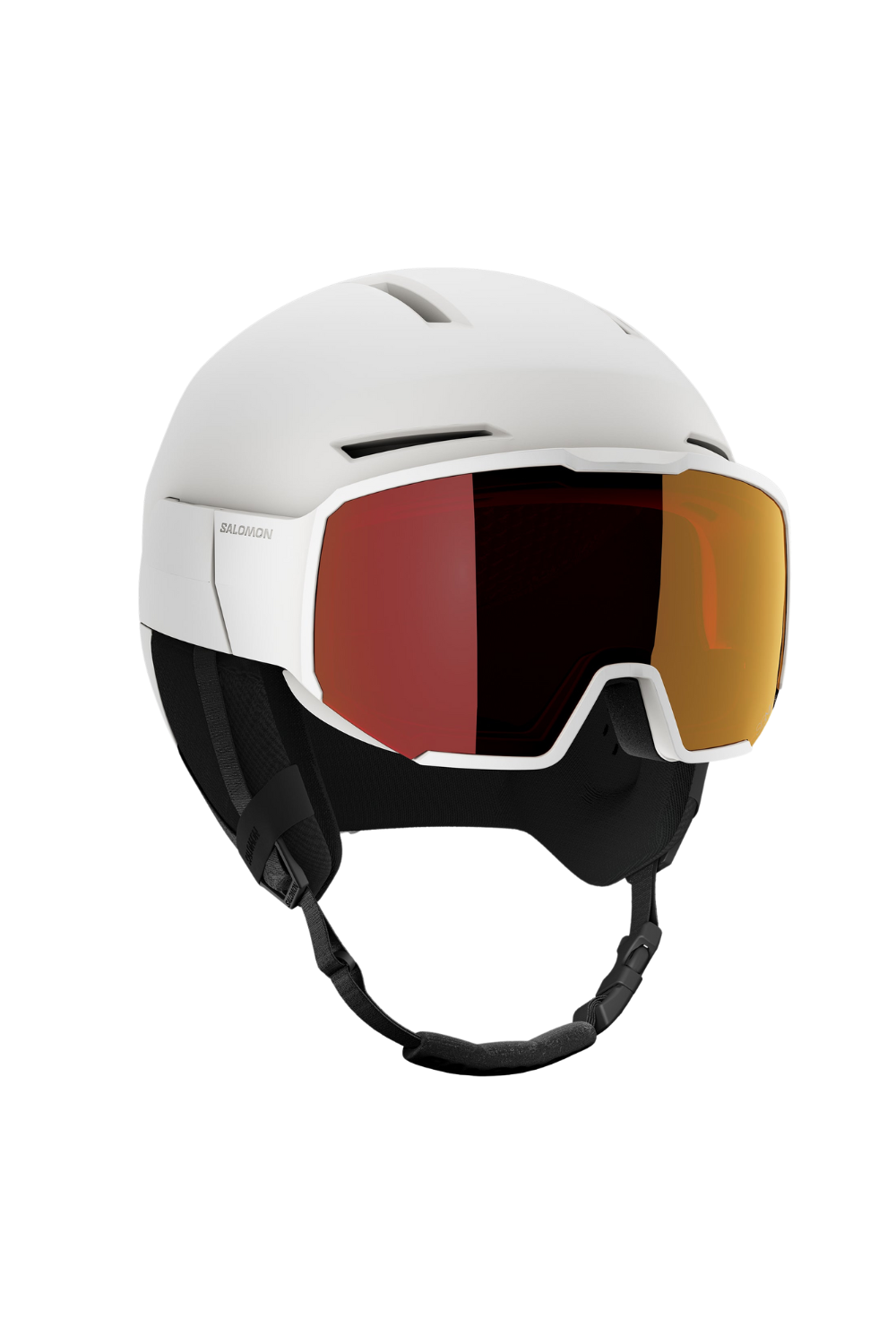
Your goggles and helmet ventilation systems are designed to work together to remove moisture. Some of the newer systems are basically all-in-one setups with magnetic goggles, aligned vents and silly price tags. 

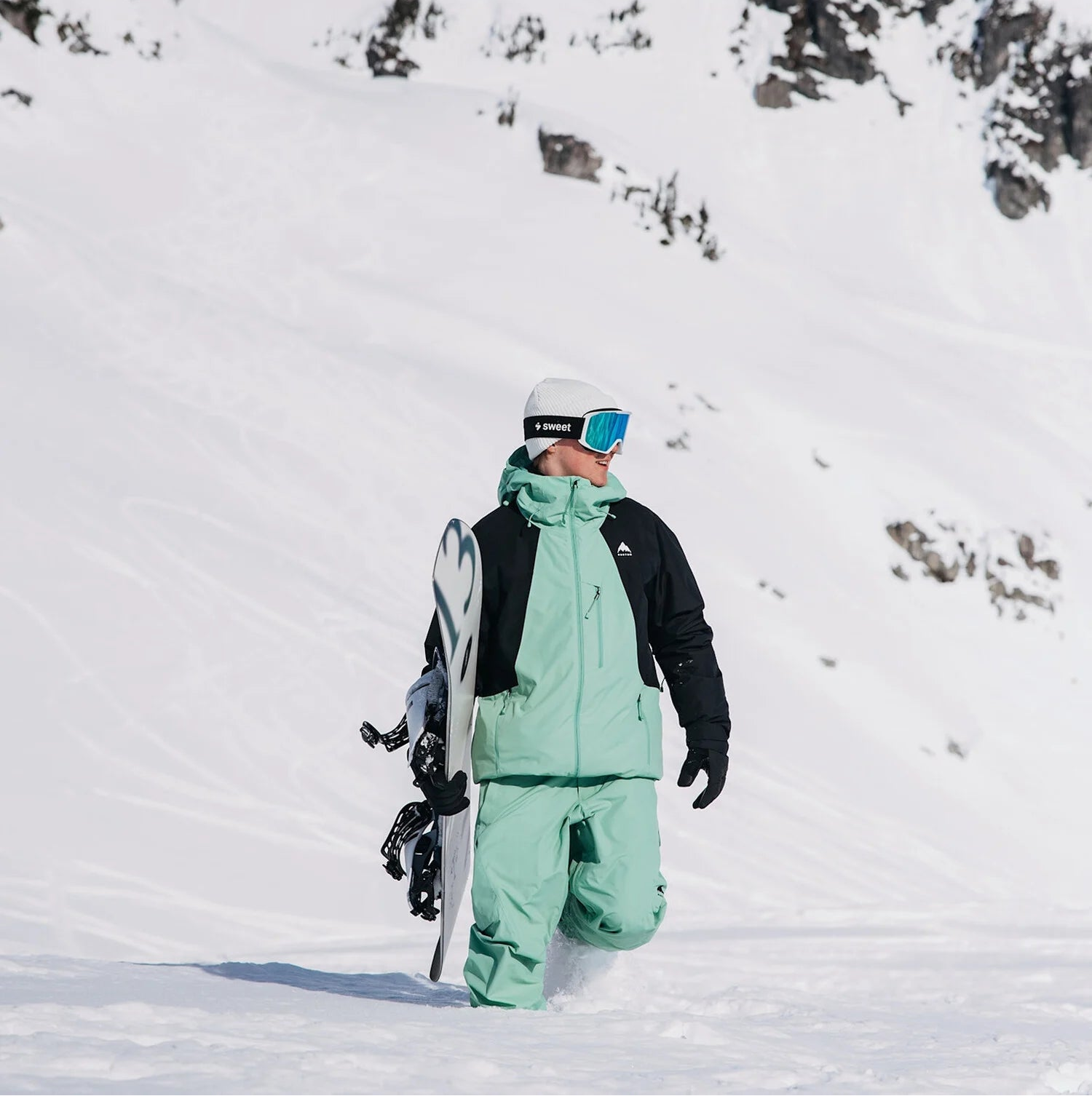
Best practice is usually to wear your goggle strap over the helmet. Most helmets have a clip at the back for this, but what matters most is a secure fit and good ventilation. 

The goggles should fit snugly to your face under the helmet with no gaps in the foam. You’ll also want to minimise the classic forehead gap between goggles and helmet. As you’ll feel that pretty quickly once you hit cold temperatures or higher speeds. 

Ventilation is a little hard to test in-store, most places won’t let you sprint around trying to work up a sweat, but it’s important. 

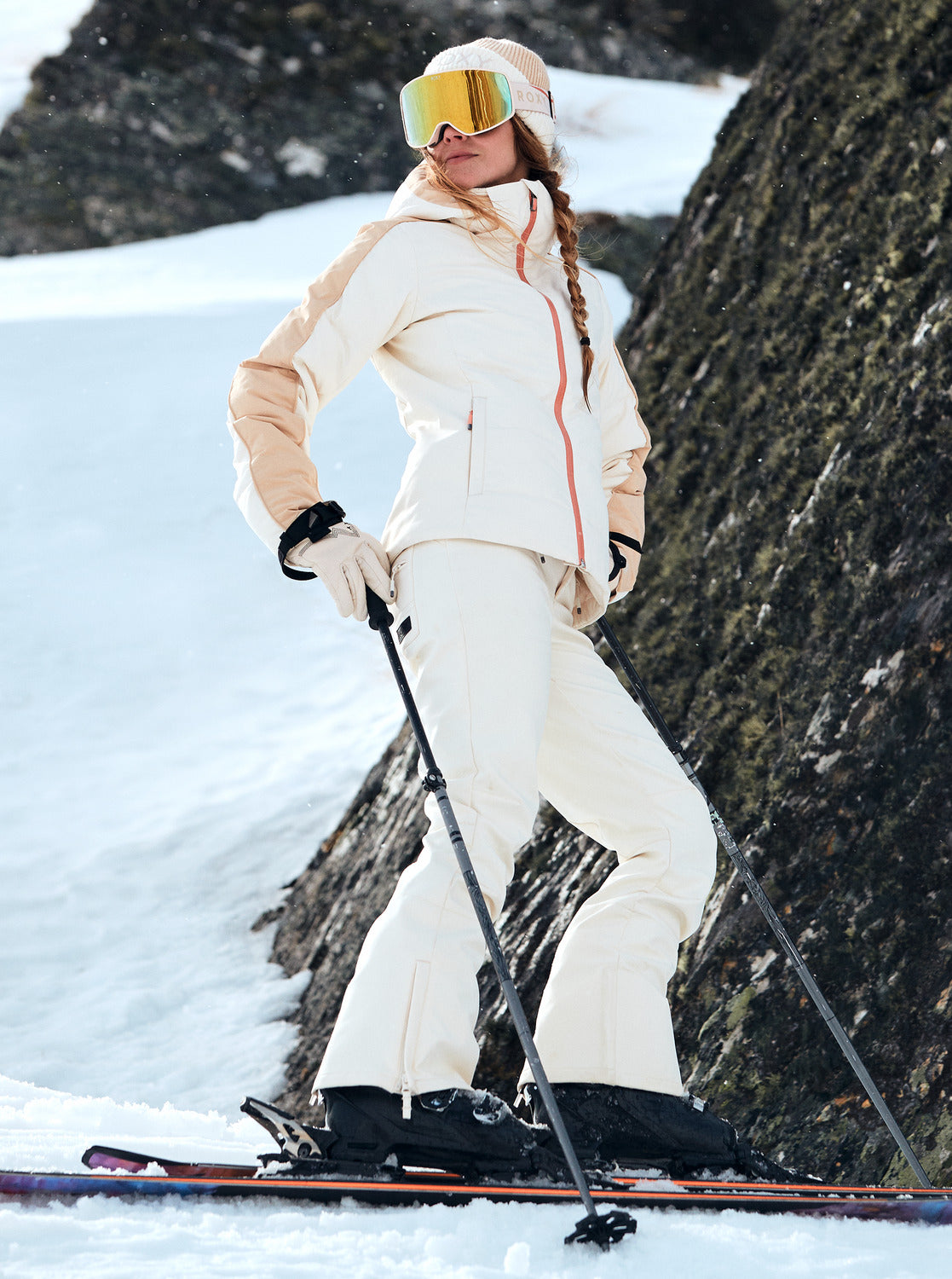
Some people like to wear a beanie or balaclava under their helmet. You’ll hear mixed opinions on this, but it comes back to personal choice. 

If you do choose to do this, wear it when you’re trying on your helmet and test the whole setup together with your goggles. That way you know you’re happy with the fit, ventilation and overall comfort. 

Safe Sends 

Have an amazing time if you’re heading out soon. Push yourself, enjoy the learning curve, but always stay aware of the environment you’re in. 

Helmets offer protection, not invincibility. Your best defence in the mountains will always be developing your skills, riding within your limits and making good decisions, especially when conditions or fatigue start creeping in. 

Look after your head, look after each other, and you’ll stack the odds in favour of coming home with tired legs, a big smile and stories worth telling.